Giant taro – Alocasia macrorrhizos: optimal light, watering, soil and pest prevention tips
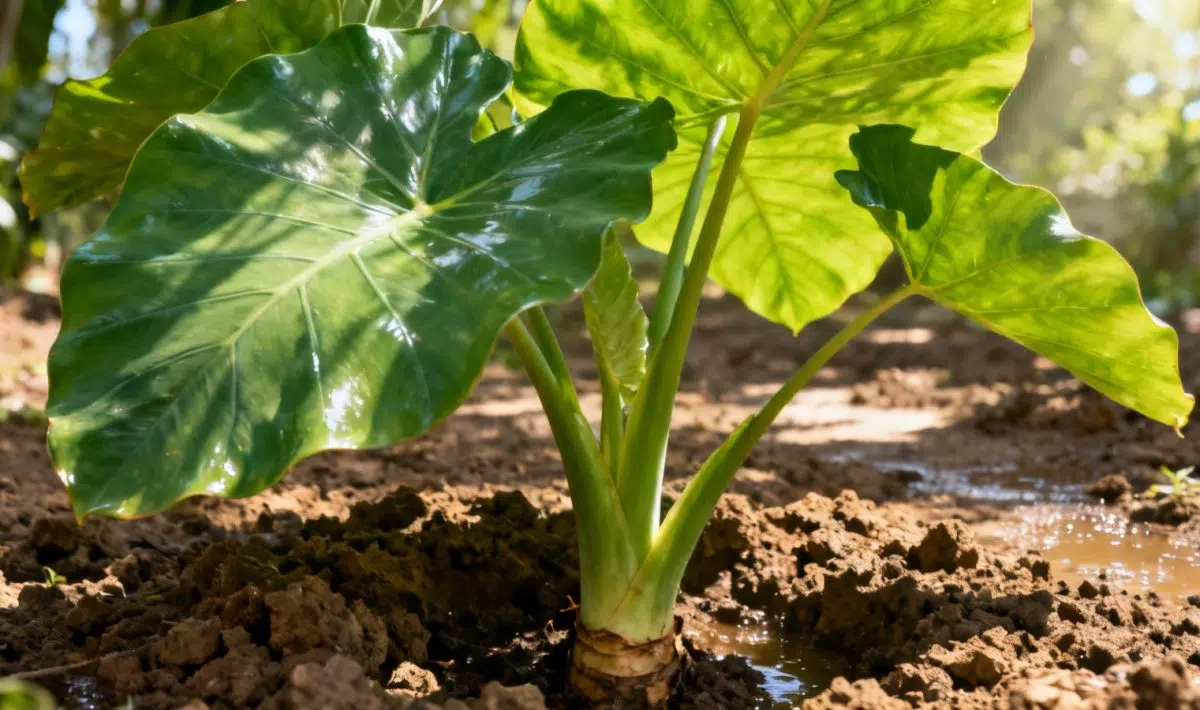
The Giant Taro, scientifically known as Alocasia macrorrhizos, stands as one of the most impressive tropical plants you can grow indoors. With its massive heart-shaped leaves and striking presence, this plant brings a touch of the tropics right into your home. Understanding the specific care requirements of this magnificent plant will help you cultivate healthy, thriving specimens that showcase their full potential.
Native to the undergrowth of humid tropical forests, the Giant Taro naturally grows near water sources in forest clearings. This elephant ear plant uses its enormous leaves to capture sunlight filtering through the forest canopy. The plant’s natural habitat provides crucial insights into its care requirements, as it thrives in environments with high humidity, indirect light, and consistently moist soil conditions.
The most striking feature of this variety is undoubtedly its impressive foliage. Each leaf can reach extraordinary sizes, creating a dramatic focal point in any interior space. The thick, glossy leaves emerge from sturdy stems that grow from underground tubers, making this plant both beautiful and structurally robust.
As tropical plants go, the Alocasia family includes numerous popular varieties, each with unique characteristics. However, the macrorrhizos stands out for its sheer size and adaptability to indoor culture when proper care is provided.
Essential light and temperature requirements
Proper lighting forms the foundation of successful Giant Taro care. These plants require abundant indirect light to maintain their health and vibrant growth. Place your plant near a south-facing window for optimal results, or alternatively, position it close to east or west-facing windows where it can receive bright, filtered light throughout the day.
Direct sunlight can scorch the delicate leaves, so always ensure the light remains indirect. During winter months, consider supplementing natural light with grow lights to maintain proper photosynthesis and prevent the plant from becoming weak or leggy.
Temperature consistency plays an equally important role in plant health. Maintain indoor temperatures between 65-80°F (18-27°C) for optimal growth. Avoid placing your plant near heating vents, air conditioning units, or drafty areas that could cause temperature fluctuations and stress the plant.
Humidity levels should remain high, ideally between 60-80%. You can achieve this by using a humidifier, placing the pot on a pebble tray filled with water, or grouping it with other humidity-loving plants. Much like when you’re caring for painted-leaf begonias, maintaining proper humidity prevents brown leaf edges and promotes healthy growth.
Watering and soil management
The watering routine for your Giant Taro requires careful attention to maintain the right balance. Keep the soil consistently moist but never waterlogged, as this can lead to root rot. Check the soil weekly by inserting your finger about an inch deep – if it feels dry, it’s time to water thoroughly.
Use well-draining potting soil that retains some moisture while allowing excess water to escape. A mixture of quality potting soil, peat moss, and perlite creates an ideal growing medium. The pot must have adequate drainage holes to prevent water from accumulating at the bottom.
During the growing season (spring and summer), you may need to water more frequently as the plant actively produces new growth. In winter, reduce watering frequency as growth slows, but never allow the soil to completely dry out.
Root health directly impacts overall plant vitality. Inspect the roots periodically when repotting to ensure they remain white and firm. Black, mushy roots indicate potential problems that require immediate attention.
Fertilization and nutrition needs
Regular fertilization supports the impressive growth rate and large leaf production of Giant Taro plants. During the active growing season, apply a balanced liquid fertilizer diluted to half strength every 2-3 weeks. This provides the essential nutrients needed for robust foliage development and healthy root systems.
Choose a fertilizer with equal parts nitrogen, phosphorus, and potassium (such as 10-10-10) to promote balanced growth. Organic options like fish emulsion or compost tea also work well and provide additional micronutrients that benefit overall plant health.
Reduce fertilization during fall and winter months when growth naturally slows. Over-fertilizing during dormant periods can actually harm the plant by forcing unwanted growth when energy reserves are low.
Monitor your plant for signs of nutrient deficiency, such as yellowing leaves or stunted growth. However, similar to tips for caring for common lantana, it’s better to err on the side of under-fertilizing rather than over-feeding your tropical specimens.
Common problems and pest prevention
Several issues can affect the health of your Giant Taro, but most are preventable with proper care. Spider mites, aphids, and mealybugs occasionally target these plants, especially when humidity levels drop too low. Regular inspection of leaves, particularly the undersides, helps catch infestations early.
Yellow or brown leaves often indicate watering issues. Overwatering typically causes yellowing from the bottom up, while underwatering leads to browning leaf edges and wilting. Adjust your watering schedule accordingly and ensure proper drainage to prevent these problems.
Root rot represents the most serious threat to plant health. This fungal condition develops when soil remains too wet for extended periods. Prevention involves using well-draining soil, appropriate pot size, and careful watering practices. If root rot occurs, immediately remove affected roots and repot in fresh, sterile soil.
Brown leaf edges usually result from low humidity or fluoride in tap water. Increase humidity around the plant and consider using filtered or distilled water if your tap water contains high levels of chemicals.
Propagation techniques
Giant Taro propagation typically involves division of the main plant, making it relatively straightforward for home gardeners. The best time for propagation is during spring when the plant enters its active growing phase and can better handle the stress of division.
Carefully remove the plant from its pot and gently separate the tubers or offsets that have developed around the main plant. Each division should have its own root system and at least one growing point to ensure successful establishment.
Plant the divisions in appropriately sized pots with fresh, well-draining potting mix. Keep the soil consistently moist and provide bright, indirect light while the new plants establish themselves. It may take several weeks for new growth to appear, so patience is essential during this period.
Young plants require slightly more attention than established specimens. Monitor soil moisture more carefully and maintain higher humidity levels to support their development. Just as with how to grow rutabagas effectively, successful propagation relies on consistent care and environmental conditions.
Indoor culture and placement strategies
Successfully growing Giant Taro indoors requires thoughtful placement and ongoing attention to environmental conditions. Choose a location that receives bright, indirect light for most of the day while remaining protected from temperature extremes and drafts.
Consider the mature size of your plant when selecting its permanent location. These impressive specimens can reach significant heights and widths, so ensure adequate space for growth. A corner location often works well, providing support while allowing the plant to spread naturally.
Rotate your plant periodically to ensure even growth and prevent it from leaning toward the light source. This simple practice helps maintain the plant’s natural symmetry and prevents weak, elongated growth on one side.
The natural beauty of Giant Taro makes it an excellent choice for creating tropical indoor gardens alongside other humidity-loving species. When grouped with complementary plants, it creates a lush, jungle-like atmosphere that transforms any interior space into a green oasis.
For those interested in expanding their tropical plant collection, the principles learned from Giant Taro care apply to many other species. The guide to caring for ti plants offers similar insights for another stunning tropical specimen that pairs beautifully with Alocasia varieties.
With proper care and attention to its specific needs, your Giant Taro will reward you with years of spectacular growth and tropical beauty. Remember that consistency in care, from watering schedules to light exposure, forms the key to long-term success with this magnificent plant.
Allan is a lifelong gardening enthusiast who still gets excited when the first seedlings pop up in spring. With a deep love for nature and a hands-in-the-soil approach, he shares practical tips, plant discoveries, and clever tricks picked up over years of digging, planting, and observing. Whether you’re a new gardener or have a shed full of tools, Allan writes like a neighbor who’s always happy to swap cuttings and stories over the fence.
You can find more about Allan’s work on Malt or connect with him on LinkedIn.