
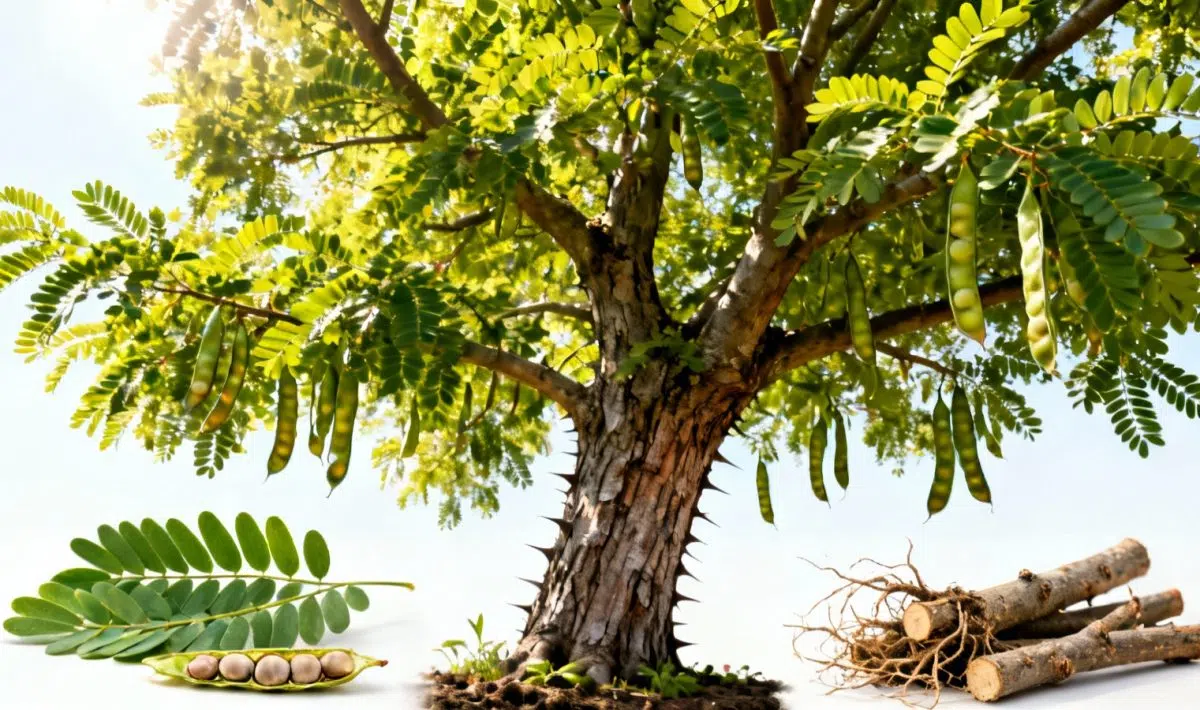
The honey locust, scientifically known as Gleditsia triacanthos, stands as one of North America’s most adaptable and fascinating trees. This remarkable specimen captures attention with its delicate, feathery foliage and distinctive seed pods that dangle like natural ornaments throughout winter months.
Native to the central and eastern regions of North America, this deciduous tree has earned its place in gardens and landscapes worldwide. Its unique combination of beauty, hardiness, and practical benefits makes it an excellent choice for both novice and experienced gardeners seeking a low-maintenance yet striking addition to their outdoor space.
Understanding the honey locust tree characteristics
The honey locust typically reaches impressive heights of 70 to 100 feet in its natural habitat, though cultivated specimens often stay more manageable at 30 to 70 feet. Its distinctive compound leaves create an airy canopy that allows dappled sunlight to filter through, making it perfect for areas where you want partial shade without complete darkness.
The tree’s most recognizable feature is its seed pods, which can grow up to 18 inches long. These twisted, brown gousses contain a sweet pulp that gives the tree its common name. However, many gardeners prefer the thornless variety (var. inermis) which lacks the formidable spines found on wild specimens.
During spring, small greenish-yellow flowers appear in clusters, though they’re not particularly showy. The real magic happens with the foliage – bright green leaves emerge late in spring, providing excellent summer shade before turning golden yellow in autumn.
Varieties and cultivars
Several popular cultivars have been developed for garden use. The most common is ‘Shademaster’, a male clone that produces no seed pods and maintains an attractive oval shape. ‘Skyline’ offers excellent form and brilliant fall color, while ‘Sunburst’ provides bright yellow new growth that gradually turns green.
These improved varieties eliminate many concerns about thorns and messy pod drop, making them ideal for residential landscapes. When selecting plants for your garden, consider how different species complement each other – much like the best practices for zonal geraniums that thrive in similar soil conditions.
Optimal growing conditions and soil requirements
Honey locusts demonstrate remarkable tolerance for various soil types, from clay to sand. They prefer well-draining soil with a pH between 6.0 and 8.0, though they’ll adapt to slightly acidic or alkaline conditions without complaint. This flexibility makes them excellent choices for challenging sites where other trees might struggle.
These hardy trees tolerate drought exceptionally well once established, though they appreciate regular watering during their first few years. They’re also surprisingly tolerant of salt spray and urban pollution, making them popular street trees in many cities.
Full sun exposure brings out the best in honey locusts, promoting healthy growth and optimal fall color. While they’ll grow in partial shade, expect slower development and less dramatic autumn displays.
Climate considerations
Honey locusts thrive in USDA hardiness zones 3 through 9, demonstrating impressive cold tolerance while also handling hot, humid summers with ease. This wide adaptability explains their popularity across diverse geographic regions.
The trees handle wind well due to their strong wood and flexible branching pattern. However, young specimens benefit from staking during their first year to encourage straight trunk development.
Planting and propagation methods
Starting honey locusts from graines requires patience but offers rewarding results. The seeds need scarification to break their hard coating – you can achieve this by filing or soaking them in hot water overnight before planting. Sow seeds in spring after the last frost date in your area.
For faster results, consider purchasing nursery-grown plants. Spring planting allows trees to establish before winter, though fall planting works well in milder climates. Dig holes twice as wide as the root ball but no deeper, ensuring the tree sits at the same level it grew in the nursery.
Space trees at least 20 to 30 feet apart to accommodate their mature spread. This generous spacing prevents overcrowding and allows each tree to develop its characteristic broad canopy. The same spacing principles apply when growing cucumbers in your garden – proper distances ensure healthy development.
Semis and early care
Young seedlings require consistent moisture during their first growing season. Water deeply but infrequently to encourage deep root development. A 2-inch layer of organic mulch helps retain moisture and suppress weeds, but keep it several inches away from the trunk base.
Fertilization is rarely necessary for established honey locusts, as they’re nitrogen-fixing trees that improve soil fertility. However, young plants benefit from a balanced fertilizer applied in early spring for the first two years.
Care and maintenance practices
Mature honey locusts are remarkably low-maintenance trees. Their drought tolerance means you can reduce watering significantly after the establishment period. In fact, overwatering can lead to soft growth that’s more susceptible to wind damage.
Pruning should focus on removing dead, damaged, or crossing branches. The best time for major pruning is late winter when the tree is dormant. Unlike fruit trees such as those detailed in care and cultivation of apricots, honey locusts rarely need extensive annual pruning.
Watch for signs of pest problems, though honey locusts face fewer issues than many other species. Occasional problems include spider mites during hot, dry weather and caterpillars that may defoliate branches. Most pest issues resolve naturally without intervention.
Seasonal maintenance
Fall brings the task of managing leaf drop, though honey locust leaves decompose quickly due to their fine texture. The small leaflets often blow away naturally or can be easily raked and composted.
Winter offers an opportunity to appreciate the tree’s architectural form and interesting bark patterns. Remove any storm-damaged branches promptly to prevent decay from entering the trunk.
Landscape uses and companion planting
Honey locusts excel in multiple landscape roles. Their light shade makes them perfect specimen trees for lawns where grass continues growing underneath. They work well in groves or as street trees, and their tolerance for urban conditions makes them valuable in challenging city environments.
The dappled shade they provide creates ideal growing conditions for shade-tolerant plants underneath. Consider underplanting with hostas, ferns, or spring bulbs that appreciate protection from harsh summer sun. This layered approach mirrors natural forest ecosystems and creates visual interest throughout the growing season.
Their rapid growth rate means you’ll see significant development within just a few years, making them excellent choices for new landscapes needing quick establishment. This fast development contrasts with slower-growing specimens like caring for China roses that require more patience.
Ecological benefits
Beyond their ornamental value, honey locusts provide important ecological benefits. Their flowers attract pollinators, while the seed pods offer food for wildlife during winter months. The trees also help improve soil nitrogen content through their root nodules.
Their ability to thrive in disturbed soils makes them valuable for restoration projects and erosion control on challenging sites. Like how to grow common figs, they demonstrate remarkable adaptability to various growing conditions.
Managing potential challenges
While generally problem-free, honey locusts can present some challenges. Pod drop from unimproved varieties creates cleanup tasks, though thornless, podless cultivars eliminate this issue. Choose your variety carefully based on your tolerance for maintenance.
The tree’s vigorous growth occasionally results in weak branch attachments, particularly on fast-growing specimens. Regular inspection and selective pruning help maintain strong structure and prevent future problems.
In some regions, honey locusts may self-seed prolifically, though this is less common with improved cultivars. Monitor your property for unwanted seedlings and remove them promptly if needed.
Despite these minor considerations, honey locusts remain among the most reliable and rewarding trees for home landscapes. Their combination of beauty, toughness, and ecological value makes them excellent long-term investments in your garden’s future. With proper selection and basic care, these remarkable trees will provide decades of enjoyment and natural benefits.

Allan is a lifelong gardening enthusiast who still gets excited when the first seedlings pop up in spring. With a deep love for nature and a hands-in-the-soil approach, he shares practical tips, plant discoveries, and clever tricks picked up over years of digging, planting, and observing. Whether you’re a new gardener or have a shed full of tools, Allan writes like a neighbor who’s always happy to swap cuttings and stories over the fence.
You can find more about Allan’s work on Malt or connect with him on LinkedIn.


