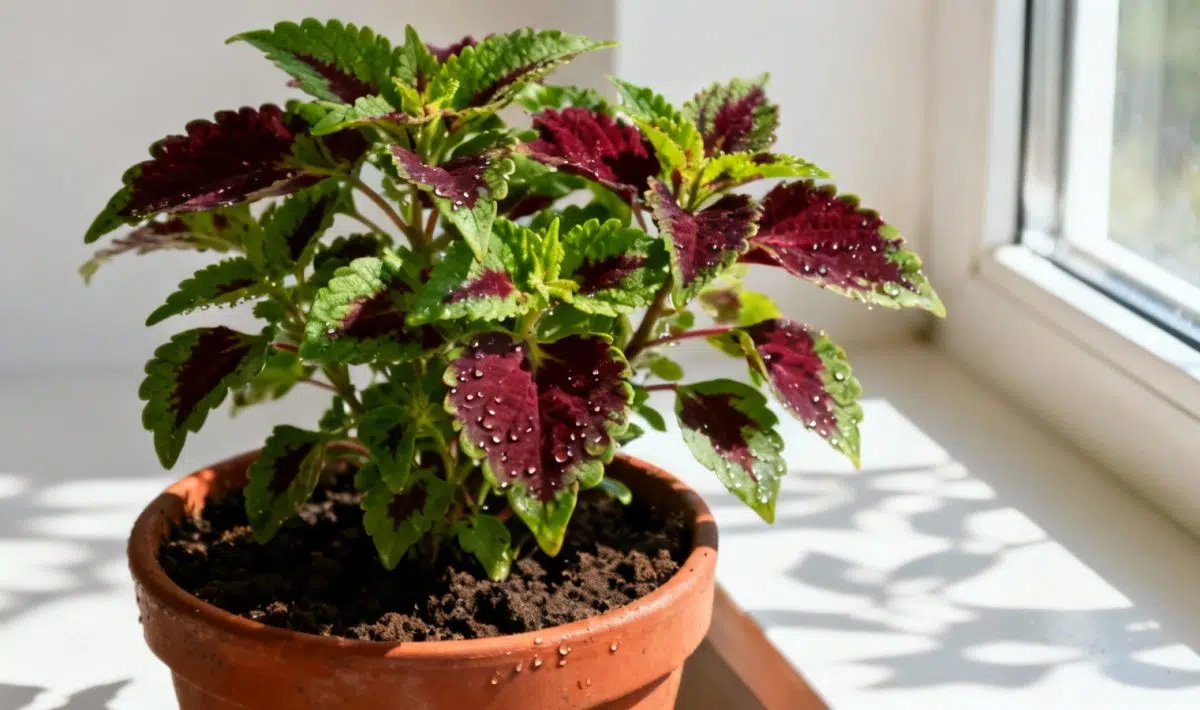
Understanding coleus light requirements for healthy growth
When you first encounter the stunning foliage of common coleus, you’ll quickly understand why this tropical beauty has captured the hearts of gardeners worldwide. However, getting the lighting just right can make the difference between vibrant, colorful leaves and disappointing, washed-out plants. The key lies in understanding that how much sunlight does common coleus need depends largely on providing bright, indirect light rather than harsh direct sun exposure.
Common coleus thrives best with approximately 4-6 hours of bright, indirect sunlight daily. This means placing your plants where they receive morning sun followed by afternoon shade, or in locations with filtered light throughout the day. Too much direct sunlight can actually fade the beautiful colors that make coleus so desirable, while too little light results in leggy, weak growth.
What makes coleus special among garden plants
The coleus plant stands out from other garden favorites for its incredible diversity of leaf patterns and colors. From deep burgundy to bright green combinations, these plants offer endless possibilities for creative garden design. Unlike many flowering plants that require intense sun, coleus actually performs better in partial shade conditions, making it perfect for those tricky garden spots where other plants struggle.
Originally from tropical regions of Asia and Africa, coleus has adapted to growing beneath forest canopies where dappled sunlight filters through tree branches. This natural habitat explains why your home garden coleus will flourish in similar conditions. Much like how sunlight requirements for common borage vary based on growing conditions, coleus needs vary with climate and season.
Optimal daily light exposure for coleus success
The sweet spot for coleus lighting falls between 4-6 hours of bright, indirect sunlight daily. However, this doesn’t mean your plants should sit in deep shade all day. Instead, aim for morning sunlight when the rays are gentler, followed by protection from the intense afternoon sun that can scorch delicate leaves.
In cooler climates, coleus can tolerate slightly more direct sun, perhaps up to 6-8 hours with adequate soil moisture. Conversely, in hot southern regions, limiting direct exposure to just 2-3 hours in the early morning provides better results. The key is monitoring your plants and adjusting their placement based on how they respond to their current lighting conditions.
Factors that influence light tolerance
Several factors affect how much direct sunlight your coleus can handle. Soil moisture plays a crucial role – well-watered plants in good, well-draining soil can withstand more sun than those in dry conditions. The specific variety also matters, as some cultivars have been bred for better sun tolerance than traditional types.
Temperature and humidity levels in your garden also impact light requirements. During cooler spring and fall months, coleus can handle more direct sun exposure. However, when summer heat peaks, providing more shade becomes essential for maintaining plant health and vibrant foliage colors.
Creating the perfect growing environment
Beyond lighting, successful coleus care requires attention to soil quality and moisture levels. These plants prefer rich, well-draining soil that stays consistently moist but never waterlogged. A good quality potting mix amended with compost works well for container growing, while garden beds benefit from organic matter incorporation.
Proper drainage cannot be overstated in importance for coleus health. Soggy soil leads to root rot and other fungal problems that can quickly kill your plants. Consider raised beds or containers if your garden tends to hold water after heavy rains.
Planting techniques for optimal growth
When planting coleus from seeds or transplants, timing matters significantly. Wait until all danger of frost has passed and soil temperatures remain consistently above 60°F. This timing ensures your plants won’t experience cold stress that can stunt their growth or damage their tender leaves.
Space your coleus plants appropriately to allow for good air circulation – typically 12-18 inches apart depending on the mature size of your chosen variety. Good airflow helps prevent fungal diseases while ensuring each plant receives adequate light for proper photosynthesis. Just as sunlight needs for common peony require careful consideration of spacing and air circulation, coleus benefits from thoughtful placement.
Choosing quality plants and seeds for your garden
When shopping for coleus, whether as seeds or established plants, quality makes a significant difference in your gardening success. Look for plants with vibrant, well-colored foliage and sturdy stems. Avoid any with yellowing leaves, signs of pest damage, or leggy growth that indicates poor growing conditions.
For those starting from seeds, research reputable suppliers who offer fresh, high-germination-rate products. Reading customer reviews and checking business ratings can help you find reliable sources. Many gardeners also appreciate fast shipping options, especially when ordering during peak planting season.
Comparing costs and value for your investment
Price considerations for coleus vary widely depending on whether you choose seeds, young plants, or mature specimens. Seeds offer the most economical option and greatest variety selection, though they require more time and care to establish. Young plants from nurseries provide a middle ground between cost and convenience.
Consider the long-term value when making your selection. High-quality plants that establish well and grow vigorously provide better value than cheaper options that struggle or fail to thrive. Look for suppliers offering good customer service and plant guarantees when possible.
Companion planting and garden integration
Coleus pairs beautifully with other shade-loving plants in garden designs. Consider combining them with impatiens, begonias, or ferns for textural contrast. The bold foliage of coleus also complements fine-textured plants like optimal sunlight for catnip plants in mixed garden borders.
In vegetable gardens, coleus can serve as attractive edging plants while also helping to fill spaces where edible crops might not receive enough light. Their pest-deterrent properties may even provide some protection for nearby vegetables, though this benefit varies by location and local pest populations.
Seasonal care adjustments
As seasons change, your coleus care routine should adapt accordingly. During spring establishment, monitor new plants closely and provide extra protection from late cold snaps. Summer care focuses on consistent watering and afternoon shade protection during the hottest periods.
Fall brings opportunities to collect seeds from your favorite varieties or take cuttings for overwintering indoors. Many gardeners also appreciate how coleus colors often intensify as temperatures begin to cool, providing spectacular autumn garden displays. Similar to how ideal sunlight for woodland strawberries changes with seasonal light patterns, coleus benefits from adjusted care throughout the growing season.
Troubleshooting common light-related issues
Recognizing signs of improper lighting helps you make necessary adjustments before problems become severe. Too much direct sun typically causes leaf scorch, appearing as brown, crispy edges or bleached-out colors. Insufficient light results in leggy growth, poor color development, and increased susceptibility to pest problems.
If your coleus shows signs of light stress, gradually relocate plants to more appropriate conditions rather than making sudden changes that could shock them further. Sometimes simply providing temporary shade cloth during the hottest part of summer solves sun-related problems without requiring plant relocation.
Maximizing color intensity through proper care
The spectacular colors that make coleus so desirable develop best under optimal growing conditions. This includes not only proper lighting but also consistent moisture, good nutrition, and protection from extreme weather. Regular pinching of flower spikes helps direct energy into foliage production rather than seed development.
Consider that different varieties may show their best colors under slightly different light conditions. Some cultivars develop deeper, richer tones in more shade, while others need brighter light to reach their full color potential. Experimenting with placement helps you discover what works best for your specific plants and garden conditions. Much like sunlight for healthy garden thyme varies by variety, coleus cultivars have individual preferences within the general care guidelines.
Long-term success with coleus cultivation
Building a successful relationship with coleus plants starts with understanding their basic needs and then fine-tuning your care approach based on your specific garden conditions. Keep detailed records of what works well in your garden, including optimal planting locations, watering schedules, and any varieties that perform exceptionally well or poorly.
Remember that gardening with coleus should be enjoyable rather than stressful. These forgiving plants typically bounce back from minor care mistakes, and their rapid growth means you’ll see results from improved care practices relatively quickly. Focus on providing consistent care rather than perfect conditions, and you’ll likely find great success with these beautiful foliage plants.
Allan is a lifelong gardening enthusiast who still gets excited when the first seedlings pop up in spring. With a deep love for nature and a hands-in-the-soil approach, he shares practical tips, plant discoveries, and clever tricks picked up over years of digging, planting, and observing. Whether you’re a new gardener or have a shed full of tools, Allan writes like a neighbor who’s always happy to swap cuttings and stories over the fence.
You can find more about Allan’s work on Malt or connect with him on LinkedIn.