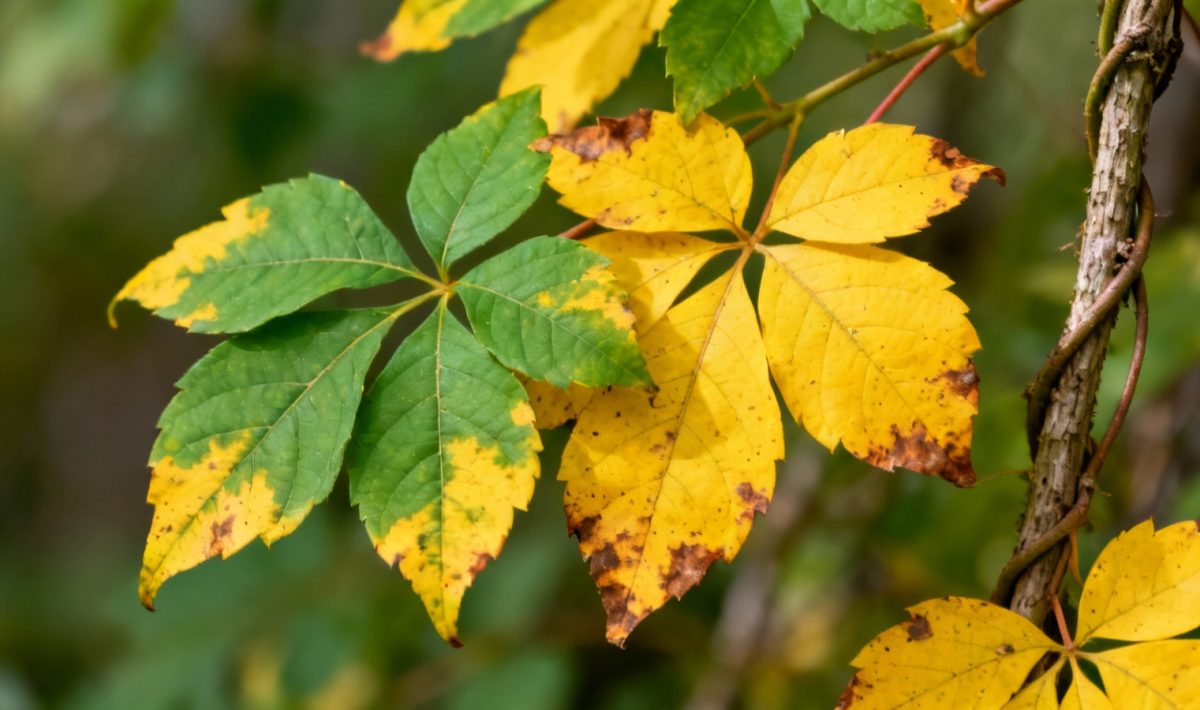
Why are my poison ivy leaves turning yellow – causes and solutions
If you’ve noticed your poison ivy plant developing yellow leaves, you’re not alone in this concern. Many gardeners experience this common issue with their ivy plants, and understanding the underlying causes can help you restore your plant’s vibrant green foliage. Yellow leaves on poison ivy typically indicate that your plant is experiencing some form of stress, whether from environmental factors, care practices, or natural seasonal changes.
The good news is that yellowing leaves are often a manageable problem with the right approach. By identifying the specific cause affecting your plant, you can take targeted action to help your ivy recover and thrive. Let’s explore the most common reasons behind this issue and discover practical solutions for each situation.
Understanding water-related issues with your ivy plant
Water problems are among the most frequent causes of yellowing leaves in poison ivy plants. Both overwatering and underwatering can stress your plant and lead to similar symptoms. When you water your ivy too frequently, the roots become waterlogged and cannot absorb oxygen properly, causing the leaves to turn yellow from the bottom up.
On the other hand, if your plant doesn’t receive enough water, it will also develop yellow leaves as it struggles to maintain its cellular functions. You can easily check your soil moisture by inserting your finger about two inches deep into the soil. If it feels soggy or completely dry, you’ve likely found your culprit.
Signs of overwatering vs underwatering
Overwatered ivy plants typically show yellowing that starts with the lower leaves and progresses upward. The soil may have a musty smell, and you might notice soft, mushy stems or roots. In contrast, underwatered plants often have crispy, dry edges on their yellow leaves, and the soil pulls away from the container edges.
For proper watering, allow the top inch of soil to dry between waterings during the growing season. During winter months, reduce watering frequency as your ivy enters its dormant period and requires less moisture to stay healthy.
Light conditions and their impact on leaf color
Inadequate lighting can significantly affect your ivy’s health and cause leaf yellowing. While poison ivy can tolerate various light conditions, it performs best with bright, indirect light for most of the day. Too much direct sunlight can scorch the leaves, while insufficient light weakens the plant.
If your ivy is placed in a very dark corner or receives less than four hours of light daily, it may begin dropping yellow leaves to conserve energy. Similarly, harsh afternoon sun can bleach the foliage and create yellow patches on the leaf surface.
Finding the perfect light balance
The ideal location for your ivy provides morning sunlight and afternoon shade, or consistent bright indirect light throughout the day. South-facing windows with sheer curtains work well, as do east-facing locations that receive gentle morning rays. If you notice your plant leaning toward the light source, rotate it weekly to ensure even growth.
For indoor plants, consider supplementing natural light with grow lights during darker months. Position them about 12-18 inches above your ivy and provide 12-14 hours of artificial light daily to maintain healthy green foliage.
Nutrient deficiencies causing yellow leaves
Your ivy plant requires various nutrients to maintain its vibrant green color, and deficiencies can quickly manifest as yellowing leaves. Nitrogen deficiency is the most common culprit, causing older leaves to turn yellow while newer growth remains green. This nutrient is essential for chlorophyll production and overall plant vigor.
Iron deficiency presents differently, with yellowing occurring between the leaf veins while the veins themselves remain green. This condition, called chlorosis, often develops in alkaline soil conditions that prevent proper iron uptake. For comprehensive information about causes of yellow leaves on poison ivy, understanding these nutrient relationships is crucial for plant health.
Addressing nutrient problems
Feed your ivy with a balanced, water-soluble fertilizer every 4-6 weeks during the growing season. Look for formulations with equal parts nitrogen, phosphorus, and potassium, such as a 10-10-10 or 20-20-20 blend. Dilute the fertilizer to half strength to avoid burning the roots.
For iron deficiency, consider using an iron chelate supplement or switching to an acidic fertilizer that helps improve iron availability. You can also improve soil acidity by adding coffee grounds or using rainwater instead of tap water for irrigation.
Pest problems and disease issues
Various pests and diseases can attack your ivy plant and cause yellowing leaves. Spider mites are particularly troublesome, especially in dry indoor environments. These tiny pests suck plant juices and create stippled yellow spots on leaves. You might also notice fine webbing on the undersides of affected leaves.
Aphids, scale insects, and mealybugs can also cause similar damage to your ivy. These pests weaken the plant by feeding on its sap, leading to yellowing and eventual leaf drop. Fungal diseases like root rot or leaf spot can also create yellow patches or overall yellowing as they compromise the plant’s health.
Prevention and treatment strategies
Inspect your ivy regularly for signs of pest activity, paying special attention to leaf undersides and stem joints. If you discover pests, treat them immediately with insecticidal soap or neem oil. For severe infestations, you may need to repeat treatments every 5-7 days until the problem resolves.
Maintain good air circulation around your plant to prevent fungal issues, and avoid getting water on the leaves when you irrigate. If you suspect disease, remove affected leaves promptly and consider applying a fungicidal treatment to prevent spread. Similar issues can affect other climbing plants, as seen with issues with yellowing honeysuckle leaves, making early intervention essential.
✅ Quick Checklist
Is the soil too wet or too dry?
Is the plant getting 6+ hours of sunlight daily?
Have you fertilized in the last 2 months?
Are there visible pests under the leaves?
Does the pot have adequate drainage?
🔥 FREE
📱
Diagnose your plant in one click!
AI instant diagnosis • Personalized solutions • 50,000+ species
Temperature fluctuations and environmental stress can also trigger yellowing in ivy plants. Sudden changes in temperature, cold drafts, or excessive heat can shock your plant and cause it to drop yellow leaves. This is particularly common when moving plants from one location to another or during seasonal transitions.
Low humidity levels, especially during winter when heating systems dry out indoor air, can stress your ivy and contribute to leaf yellowing. These plants prefer humidity levels between 40-60% for optimal health. Dry air causes the plant to work harder to retain moisture, often resulting in yellowing older leaves.
Creating stable growing conditions
Keep your ivy away from heating vents, air conditioning units, and drafty windows to minimize temperature stress. Maintain consistent temperatures between 65-75°F during the day and slightly cooler at night. If your home is very dry, increase humidity around your plant using a humidifier or placing a water-filled tray with pebbles nearby.
During winter months, be especially careful about cold drafts and sudden temperature changes. Your ivy may naturally slow its growth during this time, and some yellowing of older leaves is normal as the plant conserves energy for new growth in spring.
Seasonal changes and natural leaf aging
It’s important to remember that some leaf yellowing is completely natural, especially during autumn and winter months. Like many plants, ivy naturally sheds older leaves to make room for new growth and conserve energy during dormant periods. This process typically affects the oldest leaves first, those closest to the base of the plant.
However, if you notice widespread yellowing or rapid leaf drop, this indicates a problem beyond natural aging. Healthy seasonal yellowing occurs gradually over several weeks and affects only a few leaves at a time. Your ivy should continue producing new green growth at the tips of its stems.
By understanding these various causes of yellowing leaves, you can better care for your poison ivy plant and maintain its attractive appearance year-round. Regular monitoring, consistent care practices, and prompt attention to problems will help ensure your ivy remains a beautiful addition to your garden or home for years to come.
Allan is a lifelong gardening enthusiast who still gets excited when the first seedlings pop up in spring. With a deep love for nature and a hands-in-the-soil approach, he shares practical tips, plant discoveries, and clever tricks picked up over years of digging, planting, and observing. Whether you’re a new gardener or have a shed full of tools, Allan writes like a neighbor who’s always happy to swap cuttings and stories over the fence.
You can find more about Allan’s work on Malt or connect with him on LinkedIn.