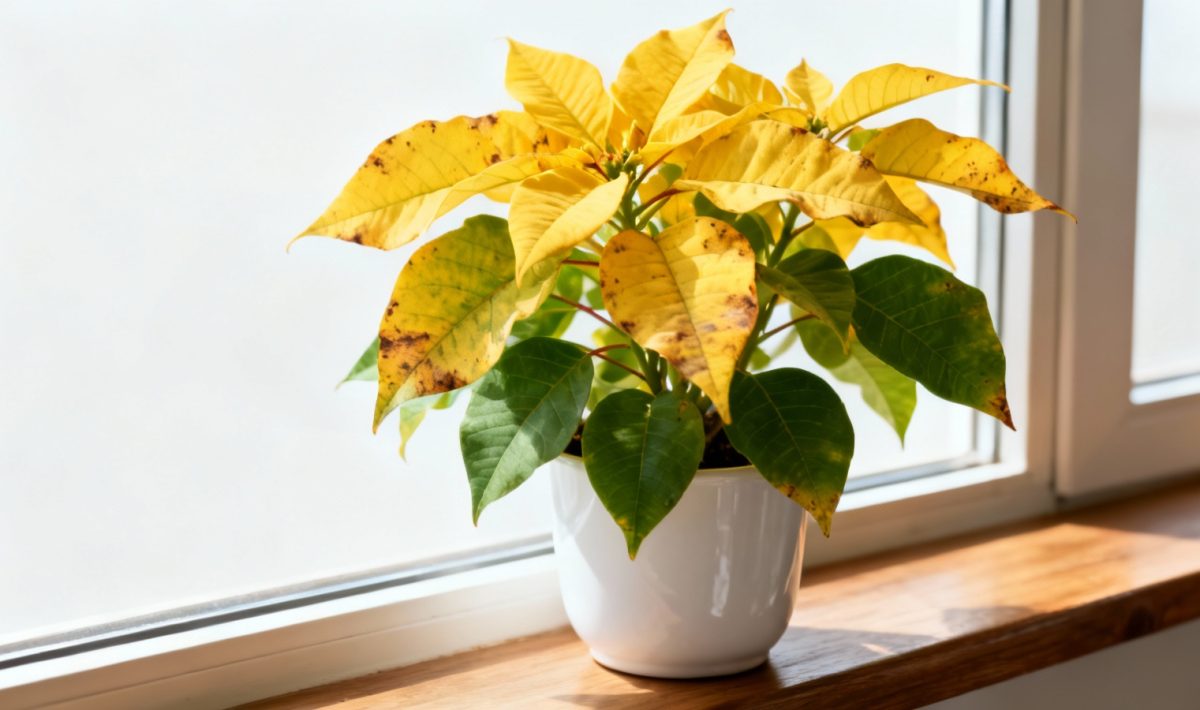
Why are my poinsettia leaves turning yellow – causes and solutions
Nothing dampens the festive spirit quite like watching your beautiful poinsettia’s leaves turn yellow during the holiday season. This common issue affects many plant enthusiasts, but understanding the underlying causes can help you restore your plant’s vibrant appearance and keep it thriving throughout the holidays.
Yellow leaves on poinsettias typically indicate stress from environmental factors or care issues. The most frequent causes include watering problems, inadequate lighting, temperature fluctuations, and nutrient deficiencies. These plants are particularly sensitive to changes in their environment, making proper care essential for maintaining their colorful bracts and healthy foliage.
Watering issues affecting your poinsettia
Improper watering remains the leading cause of yellow leaves in these popular holiday plants. Both overwatering and underwatering can trigger this response, though overwatering proves more common. When soil stays consistently wet, root rot develops, preventing the plant from absorbing nutrients effectively.
Signs of overwatering include yellowing leaves that feel soft or mushy, a musty smell from the soil, and brown, soggy roots. Conversely, underwatered poinsettias display crispy, dry yellow leaves that may drop quickly. The key lies in maintaining consistent moisture without waterlogging the roots.
✅ Quick Checklist
Is the soil too wet or too dry?
Is the plant getting 6+ hours of sunlight daily?
Have you fertilized in the last 2 months?
Are there visible pests under the leaves?
Does the pot have adequate drainage?
🔥 FREE
📱
Diagnose your plant in one click!
AI instant diagnosis • Personalized solutions • 50,000+ species
Poinsettias thrive in bright, indirect sunlight and struggle when placed in dim corners or exposed to harsh direct rays. Insufficient light causes the plant to weaken gradually, leading to yellow leaves and poor overall health. These plants need at least six hours of bright light daily to maintain their vibrant appearance.
Temperature stress also contributes to yellowing leaves. Poinsettias prefer consistent temperatures between 65-75°F during the day and slightly cooler at night. Cold drafts from windows, doors, or air conditioning vents can shock the plant and trigger leaf drop. Similarly, sudden temperature changes or exposure to heat sources like radiators can cause similar issues.
Identifying signs of plant stress
Beyond yellow leaves, stressed poinsettias exhibit several warning signs that indicate care adjustments are needed. Recognizing these symptoms early can prevent more serious damage and help you address problems before they become severe.
Physical symptoms to monitor
Watch for leaves that curl, wilt, or develop brown edges alongside the yellowing. These symptoms often accompany watering issues or environmental stress. Drooping stems and a general lack of vigor also signal that your plant needs attention.
Check the undersides of leaves regularly for pests like spider mites or whiteflies, which can weaken the plant and contribute to yellowing. Small webs, tiny moving specks, or sticky honeydew on leaves indicate pest problems that require immediate treatment. Just as other plants like those discussed in reasons for yellowing honeysuckle leaves can experience similar stress responses, poinsettias show clear signs when something’s wrong.
Proper care techniques for healthy poinsettias
Establishing a consistent care routine helps prevent most causes of yellow leaves and keeps your poinsettia looking its best throughout the holiday season and beyond.
Optimal watering practices
Water your poinsettia when the top inch of soil feels dry to the touch, typically every 2-3 days depending on your home’s humidity and temperature. Use room-temperature water and pour slowly until excess drains from the bottom holes. Always empty the drainage tray after 15-20 minutes to prevent root rot.
During winter months, reduce watering frequency as the plant’s growth slows and soil takes longer to dry. Monitor soil moisture regularly rather than following a strict schedule, as environmental conditions can vary significantly.
Creating ideal growing conditions
Place your poinsettia near a south or west-facing window where it receives bright, indirect light for most of the day. If natural light is limited, supplement with a grow light positioned 12-18 inches above the plant for 12-14 hours daily.
Maintain humidity levels around 40-50% by grouping plants together, using a humidifier, or placing a water-filled tray with pebbles near the plant. This extra moisture helps prevent leaf drop and keeps the plant looking fresh.
✅ Quick Checklist
Is the soil too wet or too dry?
Is the plant getting 6+ hours of sunlight daily?
Have you fertilized in the last 2 months?
Are there visible pests under the leaves?
Does the pot have adequate drainage?
🔥 FREE
📱
Diagnose your plant in one click!
AI instant diagnosis • Personalized solutions • 50,000+ species
When yellow leaves appear, quick action can often save your poinsettia and prevent further damage. The specific treatment depends on identifying the root cause correctly.
Immediate treatment steps
Remove any severely yellowed or damaged leaves immediately using clean scissors or pruning shears. This prevents the plant from wasting energy on declining foliage and reduces the risk of disease spread. Cut stems just above a healthy leaf node to encourage new growth.
If overwatering is suspected, stop watering immediately and improve drainage by adding perlite to the soil or repotting in fresh, well-draining potting mix. For severely waterlogged plants, gently remove excess soil from roots and trim any black, mushy portions before repotting.
Long-term care strategies
Feed your poinsettia monthly during active growing periods (spring and summer) with a balanced, water-soluble fertilizer diluted to half strength. Avoid fertilizing during fall and winter when the plant naturally slows its growth.
Similar to how causes of yellow cylindrical snake plant leaves can often be prevented with proper care, maintaining consistent environmental conditions helps prevent stress-related yellowing in poinsettias. Gradually acclimate the plant to any changes in location or care routine to minimize shock.
Consider repotting annually in spring using fresh potting soil and a container with excellent drainage. This refreshes the growing medium and provides space for healthy root development. Choose a pot only slightly larger than the previous one, as poinsettias prefer being somewhat root-bound.
With proper attention to watering, lighting, and environmental conditions, your poinsettia can recover from yellowing leaves and continue providing beautiful color throughout the holiday season. Regular monitoring and prompt adjustments to care routines will keep your plant healthy and vibrant for months to come.
Allan is a lifelong gardening enthusiast who still gets excited when the first seedlings pop up in spring. With a deep love for nature and a hands-in-the-soil approach, he shares practical tips, plant discoveries, and clever tricks picked up over years of digging, planting, and observing. Whether you’re a new gardener or have a shed full of tools, Allan writes like a neighbor who’s always happy to swap cuttings and stories over the fence.
You can find more about Allan’s work on Malt or connect with him on LinkedIn.