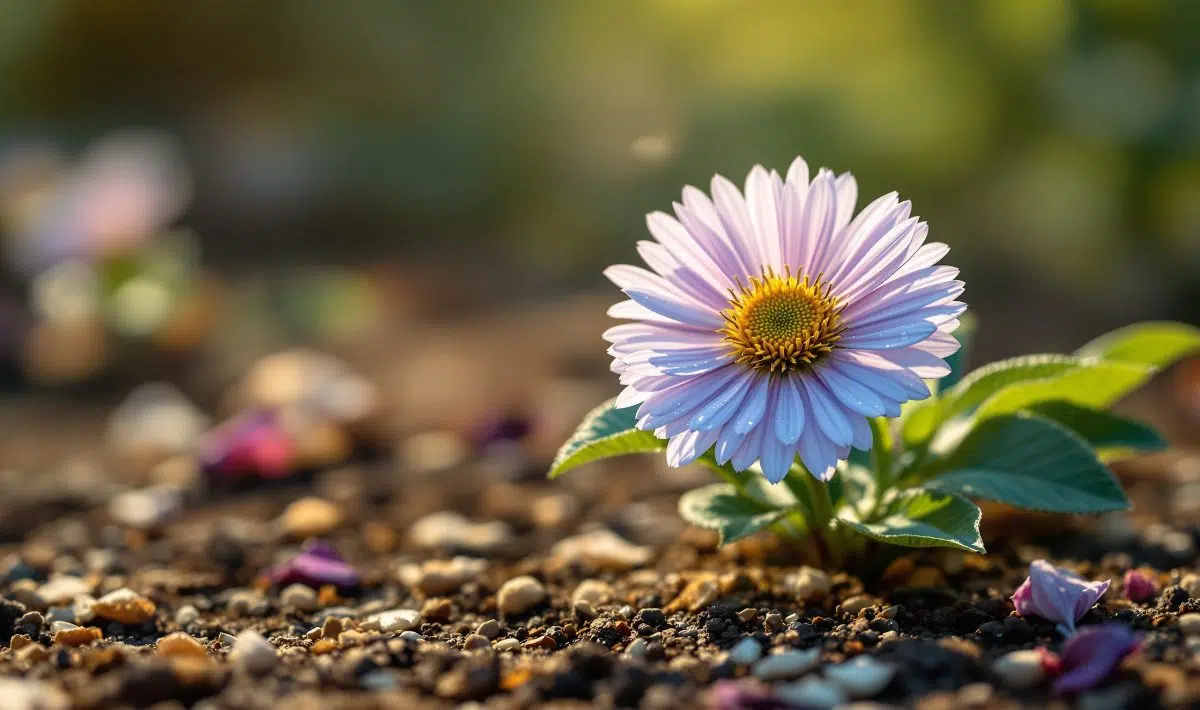
Understanding the China aster – Callistephus chinensis
The China aster, scientifically known as Callistephus chinensis, stands as one of the most rewarding annual flowers you can grow in your garden. Originally from China, Korea, and Japan, this beautiful plant has been cultivated in Asia for over 2000 years and has graced European gardens for the past 300 years. These stunning flowers bring vibrant colors and attract beneficial pollinators throughout the growing season.
What makes the China aster particularly appealing is its incredible diversity. You’ll find varieties ranging from 20 to 100 cm in height, with flower forms that vary from simple daisy-like blooms to intricate double pompons. The flowers come in an amazing array of colors including white, pink, red, purple, blue, and even unique shades like the green ‘Hulk’ variety.
These annuals produce excellent cut flowers that last up to 10 days in a vase. The blooming period extends from July through November, providing months of continuous color in your garden. Additionally, they play an important ecological role by attracting butterflies and other beneficial insects.
Botanical characteristics and varieties
China asters develop into bushy, upright plants with distinctive serrated leaves that measure 8-10 cm in length. The foliage is bright green and forms an attractive backdrop for the colorful blooms. At maturity, plants typically reach a spread of 25-30 cm, making them perfect for borders, containers, or mass plantings.
The flower heads consist of numerous small florets arranged in a classic composite structure. Wild forms feature yellow centers surrounded by purple petals, while cultivated varieties offer both single and double flower forms. Double varieties create stunning pompon-like blooms with densely packed petals that curve inward.
When selecting varieties, consider your garden’s specific needs. Dwarf types work wonderfully in containers and front borders, while taller varieties make excellent background plants or cutting garden specimens. Each variety maintains the characteristic vigorous growth that makes China asters so reliable.
Essential care requirements for China aster cultivation
Success with China asters begins with understanding their basic needs. These plants thrive in well-draining soil with a slightly alkaline to neutral pH between 6.5 and 7.5. Good drainage is absolutely critical, as waterlogged conditions can lead to root rot and other fungal issues.
Choose a location that receives at least 6 hours of direct sunlight daily. While they can tolerate partial shade, full sun produces the most vigorous plants with abundant blooms. In extremely hot climates, some afternoon shade can actually benefit the plants by preventing stress during peak summer heat.
Soil preparation plays a crucial role in success. Work in well-aged compost or other organic matter to improve both drainage and nutrient content. Similar to techniques used when care for common coleus plants, proper soil preparation ensures strong root development and healthy growth.
Planting and propagation techniques
Start China aster seeds indoors 6-8 weeks before your last expected frost date. Use seed-starting mix in small pots or cell trays, planting seeds about 1/4 inch deep. Maintain soil moisture and provide temperatures between 65-70°F for optimal germination, which typically occurs within 7-14 days.
Transplant seedlings outdoors after all danger of frost has passed and soil temperatures consistently reach 60°F. Space plants 12-18 inches apart to ensure good air circulation, which helps prevent common fungal diseases. Handle seedlings carefully, as the stems can be somewhat brittle when young.
Direct seeding is also possible in areas with longer growing seasons. Sow seeds directly in the garden 2-3 weeks after the last frost date. Keep the soil consistently moist until germination occurs, then gradually reduce watering frequency as plants establish.
Watering and fertilizing practices
Establish a consistent watering routine that keeps soil evenly moist but never waterlogged. Water at the base of plants rather than overhead to minimize disease issues. During hot, dry periods, plants may need daily watering, especially those grown in containers.
Feed China asters with a balanced, all-purpose fertilizer every 3-4 weeks throughout the growing season. A 10-10-10 or similar balanced formula works well. Avoid excessive nitrogen, which can promote lush foliage growth at the expense of flower production.
Mulching around plants helps retain soil moisture and suppress weeds. Apply a 2-3 inch layer of organic mulch, keeping it slightly away from plant stems to prevent pest and disease issues. Just as with growing garlic mustard successfully, consistent moisture management proves essential for healthy plant development.
Maintenance and troubleshooting
Regular deadheading encourages continued blooming and keeps plants looking tidy. Remove spent flowers by cutting stems back to the next set of leaves or flower buds. This practice redirects the plant’s energy into producing new blooms rather than setting seed.
Taller varieties may benefit from staking or support, especially in windy locations. Install supports early in the season before plants become top-heavy with blooms. Bamboo stakes or grow-through supports work well without being overly conspicuous.
Watch for common pests like aphids and spider mites, particularly during hot, dry weather. Regular inspection allows for early intervention with insecticidal soap or other appropriate treatments. Good air circulation and avoiding overhead watering help prevent most fungal diseases.
Seasonal considerations and planning
China asters provide their best display during late summer and fall when many other annuals are declining. This timing makes them excellent companions for autumn-blooming perennials and fall vegetables. Plan your garden layout to take advantage of this extended season of interest.
Since these are true annuals, plants will die after the first hard frost. However, you can extend the season by protecting plants with row covers during light frosts. In mild climates, blooms may continue well into December.
Collect seeds from the best-performing plants for next year’s garden. Allow a few flowers to mature and dry on the plant, then harvest the seeds when the flower heads become fluffy. Store seeds in a cool, dry place for spring planting. This approach mirrors the natural propagation methods used with plants like those discussed in care tips for Japanese pieris.
Garden design and companion planting
China asters work beautifully in mixed borders, cottage gardens, and cutting gardens. Their upright growth habit provides excellent vertical structure, while their colorful blooms complement both bold and subtle color schemes. Consider planting them alongside fall-blooming mums, ornamental kales, and late-season perennials.
For continuous color throughout the season, succession plant every 2-3 weeks from late spring through midsummer. This ensures overlapping bloom periods and extends the overall display. Different varieties can also be combined to create varying heights and flower forms within the same planting area.
These versatile plants adapt well to container growing, making them excellent choices for patios, decks, and urban gardens. Use larger containers to accommodate their root systems, and be prepared to water more frequently than garden-planted specimens. Much like the careful attention required when propagating Dieffenbachia seguine plants, container-grown asters benefit from consistent care and monitoring.
With proper care and attention to their basic needs, China asters reward gardeners with months of beautiful blooms and the satisfaction of growing a truly classic garden flower. Their combination of ease of culture, extended blooming period, and stunning visual impact makes them indispensable additions to any flower garden. Whether you’re a beginning gardener or an experienced grower, these remarkable annuals offer endless possibilities for creating memorable garden displays.

Allan is a lifelong gardening enthusiast who still gets excited when the first seedlings pop up in spring. With a deep love for nature and a hands-in-the-soil approach, he shares practical tips, plant discoveries, and clever tricks picked up over years of digging, planting, and observing. Whether you’re a new gardener or have a shed full of tools, Allan writes like a neighbor who’s always happy to swap cuttings and stories over the fence.
You can find more about Allan’s work on Malt or connect with him on LinkedIn.