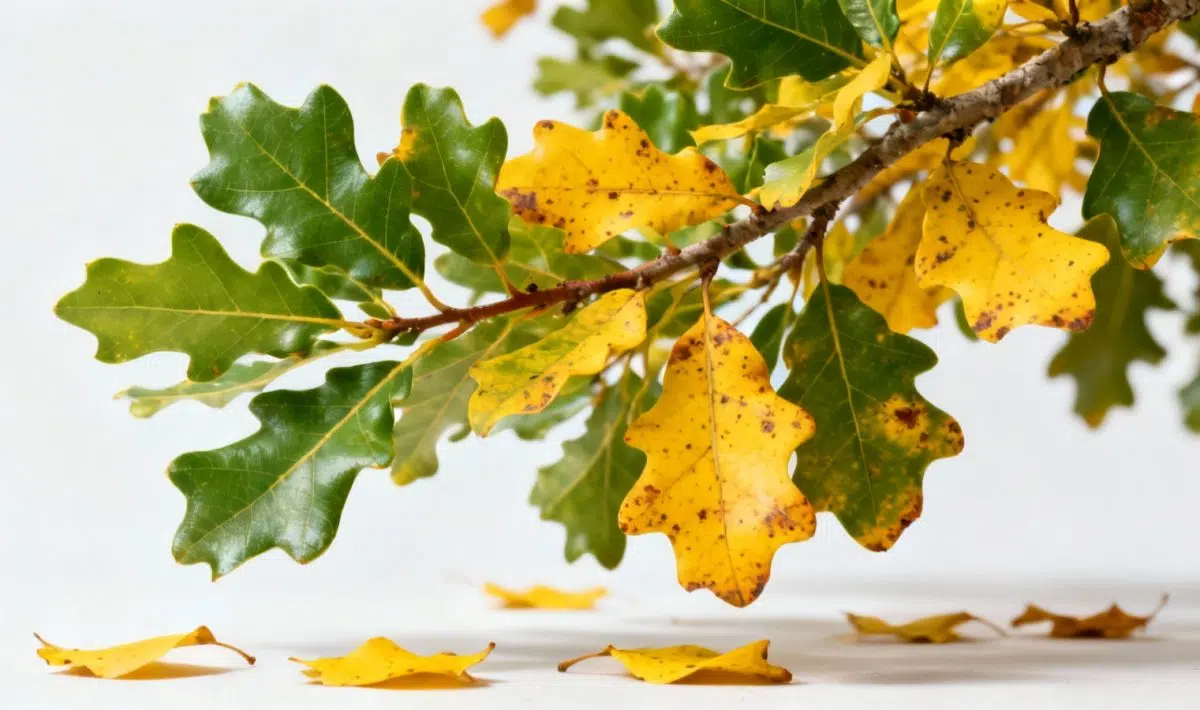
Why are my live oak leaves turning yellow? Common causes and solutions
Nothing can be more concerning than watching your beautiful live oak tree develop yellowing leaves. This common issue affects many homeowners, and understanding the underlying causes is the first step toward restoring your tree’s vibrant green appearance. Live oaks are generally hardy trees, but when their leaves start changing color unexpectedly, it’s often a sign that something needs our attention.
Understanding your live oak’s natural growth patterns
Live oaks are remarkable members of the oak family, known for their impressive longevity and distinctive spreading canopy. These trees naturally shed some older leaves throughout the year, which can appear yellow before dropping. However, when you notice widespread yellowing across new growth or multiple branches, this indicates a more serious concern that requires care and attention.
The key to maintaining a healthy live oak lies in understanding its specific needs. These trees thrive in warm climates and prefer well-draining soil with consistent moisture levels. When these conditions aren’t met, the tree responds by changing leaf color as a stress signal.
✅ Quick Checklist
Is the soil too wet or too dry?
Is the plant getting 6+ hours of sunlight daily?
Have you fertilized in the last 2 months?
Are there visible pests under the leaves?
Does the pot have adequate drainage?
🔥 FREE
📱
Diagnose your plant in one click!
AI instant diagnosis • Personalized solutions • 50,000+ species
Both overwatering and underwatering can cause your live oak’s leaves to turn yellow. When trees receive too much water, their roots can become waterlogged, preventing proper oxygen absorption. Conversely, insufficient watering stresses the tree and causes it to shut down non-essential functions, starting with maintaining green leaf color.
The recommended approach is to check soil moisture about two inches below the surface. If it feels soggy, reduce watering frequency. If it’s bone dry, increase your watering schedule. Live oaks prefer deep, infrequent watering rather than frequent shallow irrigation.
Nutritional deficiencies
Like all trees, live oaks need proper nutrition to maintain their vibrant green foliage. Iron deficiency is particularly common and causes yellowing between leaf veins while the veins themselves remain green. Nitrogen deficiency typically causes older leaves to yellow first, starting from the bottom of the tree.
A soil test can reveal which nutrients your tree lacks. Many homeowners find that a balanced, slow-release fertilizer applied in early spring provides the recommended nutritional support their live oak needs throughout the growing season.
Pest and disease issues
Various parasites and diseases can affect live oak health, causing leaf discoloration. Spider mites, scale insects, and aphids all feed on tree sap, weakening the tree and causing yellowing. Oak wilt, a serious fungal disease, also causes leaves to turn yellow before browning and dropping.
Regular inspection of your tree’s leaves, bark, and overall structure helps identify problems early. Look for small insects, webbing, or unusual growths that might indicate pest activity. Similar issues can affect other plants in your garden, such as the causes of yellowing honeysuckle leaves, which share some common stress factors.
Environmental factors affecting leaf color
Soil conditions and drainage
Live oaks are sensitive to soil compaction and poor drainage. When soil becomes compacted, roots can’t access oxygen efficiently, leading to stress that manifests as yellowing leaves. Additionally, if your tree is planted in clay soil that retains too much water, root rot can develop.
Improving soil drainage around your tree might involve creating raised beds or adding organic matter to improve soil structure. This maintenance approach benefits not just live oaks but most trees in your landscape.
Seasonal changes and natural cycles
Some yellowing is completely natural, especially during seasonal transitions. Live oaks typically drop older leaves in spring as new growth emerges. However, if yellowing occurs outside these natural cycles or affects more than about 25% of the tree’s foliage, it requires attention.
Understanding your tree’s natural patterns helps distinguish between normal leaf drop and stress-related yellowing. Keep records of when yellowing occurs each year to identify patterns that can inform your care strategy.
Effective solutions and prevention strategies
Proper watering techniques
Establishing a consistent watering routine is crucial for maintaining healthy green leaves. Water deeply but less frequently, allowing the soil to dry slightly between waterings. During warm weather, trees need more water, but always check soil moisture first.
Consider installing a drip irrigation system for consistent moisture delivery. This method provides steady hydration without waterlogging the roots, helping prevent the stress that causes leaf yellowing.
Nutritional support options
A balanced fertilization program supports overall tree health and prevents nutrient-related yellowing. Apply a slow-release fertilizer in early spring, following package directions carefully. For iron deficiency, an iron spray or soil amendment can restore green color to affected leaves.
Organic options include compost and well-aged manure, which provide nutrients gradually while improving soil structure. These natural amendments support long-term tree health and reduce the likelihood of future yellowing issues. Indoor plants can experience similar nutritional challenges, as seen with reasons for yellowing snake plant leaves, though the solutions vary by species.
Integrated pest management
Regular monitoring helps catch pest problems before they cause significant damage. Use organic insecticidal soaps or horticultural oils as your first line of defense against common pests. These treatments are effective against most soft-bodied insects without harming beneficial species.
For more serious pest issues, consult with a certified arborist who can recommend targeted treatments. Professional assessment ensures you use the most appropriate and effective option for your specific situation.
✅ Quick Checklist
Is the soil too wet or too dry?
Is the plant getting 6+ hours of sunlight daily?
Have you fertilized in the last 2 months?
Are there visible pests under the leaves?
Does the pot have adequate drainage?
🔥 FREE
📱
Diagnose your plant in one click!
AI instant diagnosis • Personalized solutions • 50,000+ species
While many yellowing issues can be resolved with proper home care, some situations require professional intervention. If your live oak shows rapid, widespread yellowing, especially when combined with other symptoms like wilting or branch dieback, contact a certified arborist immediately.
Professional tree services can perform detailed soil tests, diagnose complex diseases, and provide specialized treatments that aren’t available to homeowners. Since live oaks can live for hundreds of years, investing in professional care when needed protects this valuable landscape asset.
Early intervention is always more effective and less expensive than waiting until problems become severe. Don’t hesitate to seek expert advice if you’re unsure about your tree’s condition or the best treatment approach.
Allan is a lifelong gardening enthusiast who still gets excited when the first seedlings pop up in spring. With a deep love for nature and a hands-in-the-soil approach, he shares practical tips, plant discoveries, and clever tricks picked up over years of digging, planting, and observing. Whether you’re a new gardener or have a shed full of tools, Allan writes like a neighbor who’s always happy to swap cuttings and stories over the fence.
You can find more about Allan’s work on Malt or connect with him on LinkedIn.