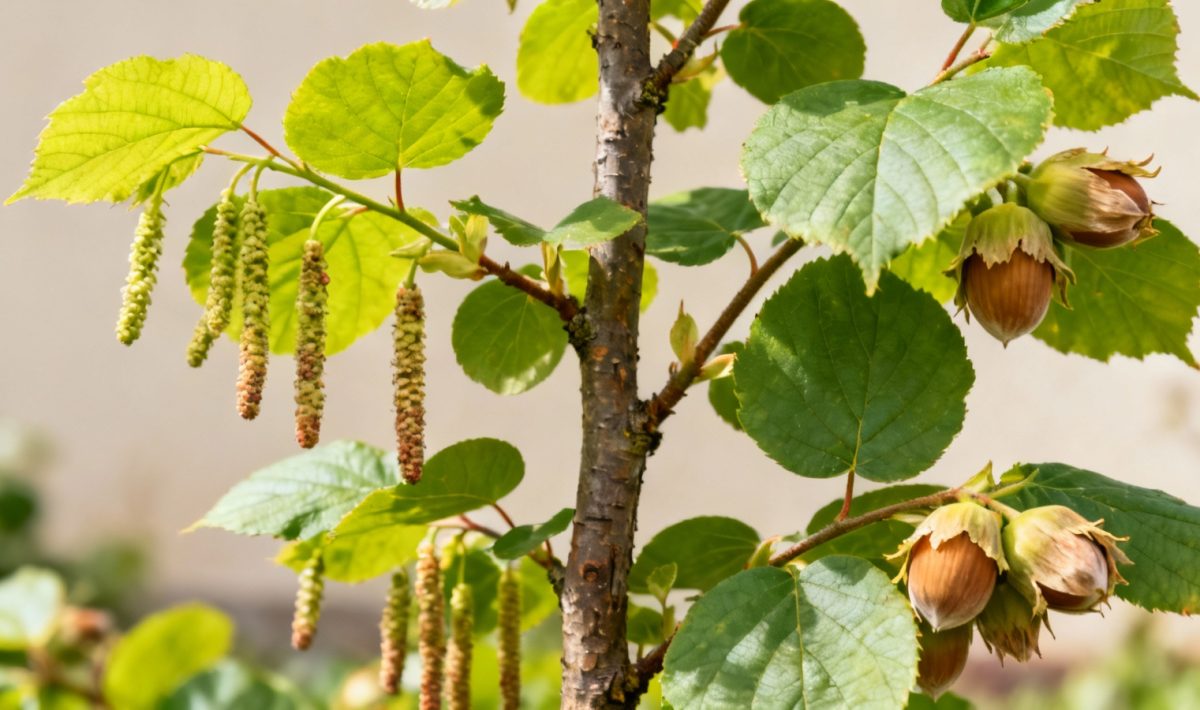
The common hazel (Corylus avellana) stands as one of Europe’s most cherished native shrubs, naturally thriving across temperate regions from the Mediterranean to Scandinavia. This remarkable noisetier has been cultivating relationships with humans for thousands of years, providing both delicious noisettes and valuable timber resources.
Today’s gardeners appreciate this versatile espèce for its dual purpose nature. Beyond producing flavourful fruits, the plante serves as an excellent hedge or woodland specimen, adapting beautifully to various landscape designs while supporting local wildlife throughout the seasons.
Botanical characteristics of Corylus avellana
Physical appearance and structure
The common hazel typically grows as a multi-stemmed shrub reaching heights between 3 to 10 metres, with a spread of 2 to 6 metres at maturity. Its distinctive feuilles are broad, heart-shaped, and delicately serrated along the edges, creating an attractive backdrop for the developing noisette clusters.
The écorce displays a smooth, grey-brown texture on younger branches, gradually developing subtle ridges as the bois matures. During winter months, the bare branches reveal an elegant skeletal structure that adds architectural interest to any garden setting.
Flowering and pollination patterns
One of the most fascinating aspects of noisetiers lies in their unique flowering behaviour. The chatons mâles appear as distinctive pendulous catkins, dangling gracefully from branches throughout late winter and early spring, releasing clouds of pollen into the wind.
Meanwhile, the tiny fleurs femelles emerge as barely visible crimson stigmas, perfectly positioned to catch airborne pollen grains. This wind-pollination system requires careful consideration when planning your planting scheme, as cross-pollination between different cultivars typically produces the most abundant harvests.
Optimal growing conditions
Soil requirements and site selection
Corylus avellana demonstrates remarkable adaptability to various sol types, though it performs best in well-draining, fertile ground with a pH between 6.0 and 7.5. The roots appreciate consistent moisture without waterlogging, making slightly elevated positions ideal for long-term health.
Consider positioning your noisetier where it receives morning sunshine but enjoys some afternoon protection during the hottest summer months. This balance encourages healthy growth while preventing stress during peak growing seasons, similar to how you might approach caring for evergreen azaleas in your garden.
Climate adaptation across regions
The species shows impressive resilience across diverse climatic zones, from the mild winters of western Europe to the more continental conditions found in eastern regions. In Turquie and parts of Italie, wild populations have adapted to slightly warmer, drier conditions while maintaining their characteristic productivity.
Understanding your local climate patterns helps determine the best variétés for your specific location. Northern gardeners might favour hardy cultivars developed in Scandinavian breeding programmes, while those in warmer zones can explore Mediterranean-origin selections.
Culture and maintenance practices
Planting and establishment
Spring planting typically offers the best establishment success, allowing young plants to develop strong root systems before facing their first winter. Space individual specimens at least 3 metres apart to accommodate mature spread, or closer for hedge formations.
Initial watering proves crucial during the first growing season. Deep, infrequent watering encourages robust root development, while shallow frequent watering can lead to surface root problems that compromise long-term stability.
Pruning and seasonal care
Annual pruning maintains productive growth while preventing overcrowding of older bois. Remove approximately one-third of the oldest stems each winter, encouraging fresh growth that will bear the following autumn’s noisette crop.
The timing of pruning operations matters significantly for flower development. Late winter work, completed before chatons begin releasing pollen, preserves the maximum number of productive branches for the coming season’s production cycle.
Pest and disease management
Common challenges include aphid infestations during spring growth flushes and occasional fungal issues during particularly wet summers. Regular monitoring allows for early intervention using organic sprays or beneficial insect releases.
Preventive measures often prove more effective than reactive treatments. Maintaining good air circulation through proper spacing and pruning reduces fungal pressure, while encouraging natural predators helps control pest populations sustainably. This approach mirrors successful strategies used in growing and caring for peppers where prevention trumps cure.
Propagation methods and techniques
Growing from seed
Fresh noisettes provide the most reliable germination rates when planted immediately after harvest in autumn. The natural stratification process occurs over winter, with germination typically beginning in early spring as soil temperatures rise.
Seedling variability means each plant will display slightly different characteristics from its parents. While this creates genetic diversity, it also means fruit quality and timing may vary significantly between individual plants grown from seed.
Vegetative propagation options
Layering offers perhaps the most reliable propagation method for maintaining desired characteristics. Simply bend flexible young branches to soil level, partially bury them, and allow natural rooting to occur over the growing season.
Hardwood cuttings taken during dormancy can also succeed with proper care and attention. This method requires more precise timing and environmental control but allows for larger numbers of identical plants from superior parent specimens. These techniques share similarities with methods used in culture and propagation of potatoes regarding timing and environmental considerations.
Advanced breeding considerations
Commercial cultivars often result from careful selection and hybridisation programmes spanning multiple generations. Modern varieties balance fruit size, flavour intensity, harvest timing, and disease resistance to meet both commercial and home garden requirements.
Understanding the genetic background of different variété helps predict performance in specific growing conditions. European selections generally emphasise cold tolerance, while Mediterranean types often focus on drought tolerance and extended harvest periods.
Harvesting and utilisation
Determining optimal harvest timing
Noisettes reach peak quality when they drop naturally from their protective cupules, typically occurring over several weeks during early autumn. The nuts should feel heavy for their size and display the characteristic brown colouration of fully mature fruit.
Regular collection prevents wildlife competition and reduces the risk of quality deterioration from ground contact. Daily harvesting during peak season ensures the finest eating quality and maximum storage potential for winter use.
Traditional and modern uses
Beyond their culinary applications, noisetier bois has served traditional craftspeople for centuries in basket weaving, tool handles, and construction applications. The flexible yet strong branches provide excellent material for garden supports and rustic furniture projects.
Modern permaculture designs often incorporate hazelnuts as productive landscape elements, providing food, wildlife habitat, and soil stabilisation simultaneously. This multi-functional approach maximises garden productivity while supporting biodiversity goals, much like incorporating care and propagation of common borage for beneficial insects.
Seasonal care calendar
Spring tasks and considerations
Early spring brings the excitement of chatons releasing their pollen clouds, signaling the beginning of another productive cycle. This period requires monitoring for late frost damage and implementing protection measures if necessary.
Fertilisation during early growth helps establish vigorous vegetative development that supports heavy fruiting later in the season. Organic amendments work particularly well, releasing nutrients gradually throughout the growing period.
Summer and autumn management
Summer care focuses primarily on water management during dry spells and pest monitoring as populations build throughout the warm months. Mulching around the base helps retain soil moisture while suppressing competitive weeds.
As autumn approaches, attention turns to harvest preparation and post-harvest care. Removing fallen feuilles and debris reduces overwintering pest and disease pressure while maintaining garden aesthetics through the dormant season.
With proper attention to these fundamental aspects of culture and care, Corylus avellana rewards gardeners with decades of productive service, combining ornamental beauty with practical harvest benefits that enhance both landscape and kitchen throughout the growing year.
Allan is a lifelong gardening enthusiast who still gets excited when the first seedlings pop up in spring. With a deep love for nature and a hands-in-the-soil approach, he shares practical tips, plant discoveries, and clever tricks picked up over years of digging, planting, and observing. Whether you’re a new gardener or have a shed full of tools, Allan writes like a neighbor who’s always happy to swap cuttings and stories over the fence.
You can find more about Allan’s work on Malt or connect with him on LinkedIn.