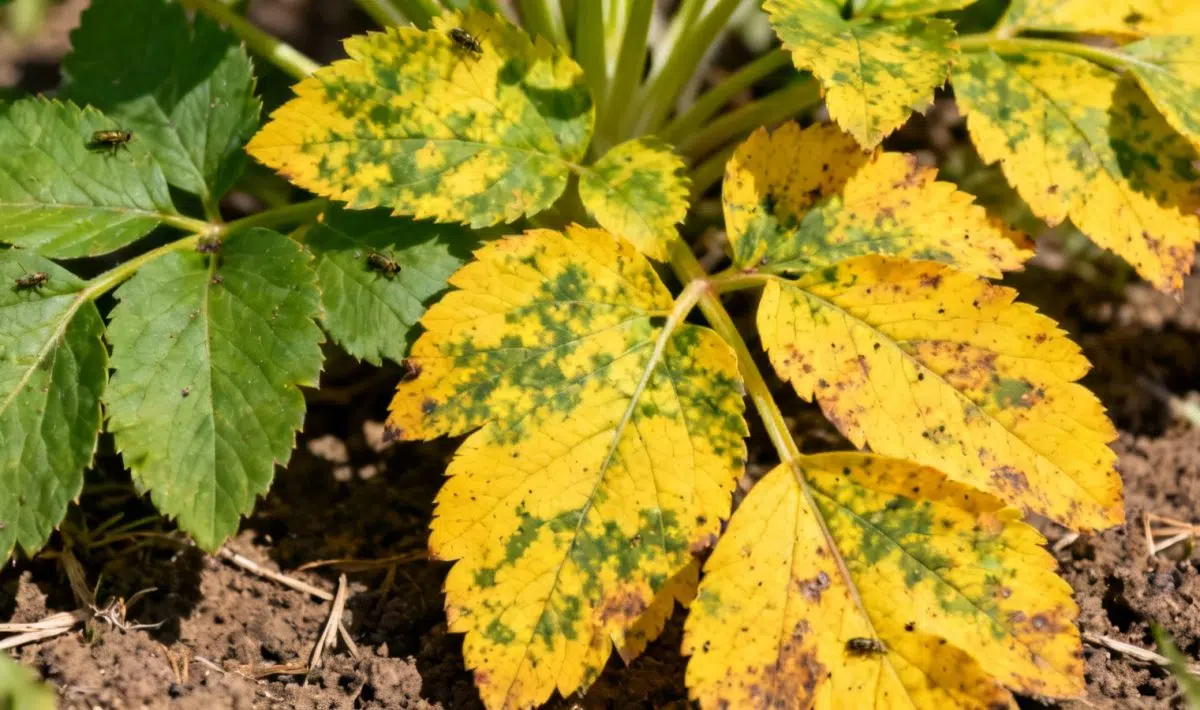
Common environmental factors causing yellowing leaves
When your cow parsnip leaves start turning yellow, it’s often nature’s way of telling you that something’s not quite right with the growing conditions. These large, impressive plants are actually quite sensitive to their environment, and several factors can trigger this unwelcome color change.
The most common culprit is water stress, which can manifest in two ways. Overwatering creates soggy soil conditions that suffocate the roots, preventing them from absorbing nutrients properly. On the flip side, underwatering leaves the plant struggling to transport essential minerals from the soil to the leaves. Both scenarios result in that telltale yellowing that has you worried.
Soil quality plays an equally important role in plant health. Cow parsnips thrive in rich, well-draining soil with plenty of organic matter. When the soil lacks essential nutrients like nitrogen, phosphorus, or potassium, the leaves will begin to yellow as the plant redirects its limited resources to survival rather than maintaining lush foliage.
✅ Quick Checklist
Is the soil too wet or too dry?
Is the plant getting 6+ hours of sunlight daily?
Have you fertilized in the last 2 months?
Are there visible pests under the leaves?
Does the pot have adequate drainage?
🔥 FREE
📱
Diagnose your plant in one click!
AI instant diagnosis • Personalized solutions • 50,000+ species
Light exposure significantly impacts your cow parsnip’s health and leaf color. These plants prefer partial shade to dappled sunlight, making them perfect for woodland gardens or areas with filtered light throughout the day. When they receive too much direct sunlight, especially during hot summer afternoons, the leaves can become stressed and turn yellow as a protective mechanism.
Conversely, insufficient light can also cause yellowing, though this typically starts with the lower leaves first. The plant will sacrifice older foliage to conserve energy for new growth when light levels are inadequate. Finding that sweet spot of bright, indirect light will keep your cow parsnip happy and green.
Disease and pest issues affecting leaf color
Several diseases can cause yellowing in cow parsnip leaves, with fungal infections being the most common troublemakers. Leaf spot diseases, caused by various fungi, create yellow patches that gradually expand and turn brown. These infections thrive in humid conditions with poor air circulation, making prevention key to maintaining healthy foliage.
Root rot represents another serious threat that manifests as yellowing leaves. This condition develops when the soil remains waterlogged for extended periods, creating the perfect environment for harmful fungi to attack the root system. Once established, root rot can be difficult to reverse, making proper drainage essential from the start.
Pest infestations also contribute to yellowing leaves in various ways. Aphids, spider mites, and other sap-sucking insects weaken the plant by draining its vital fluids, leading to yellowing and wilting. Similarly, issues like causes of yellowing pomegranate leaves show how different plants face similar challenges with pests and environmental stress.
Identifying specific pest problems
Look for telltale signs of pest activity when investigating yellowing leaves. Small holes, sticky honeydew deposits, or webbing on the undersides of leaves all indicate insect problems. Early detection and treatment are crucial for preventing widespread damage to your cow parsnip.
Slugs and snails can also cause indirect yellowing by creating wounds that invite secondary infections. These nocturnal pests leave irregular holes and slime trails, making them relatively easy to identify if you know what to look for during your evening garden inspections.
Nutritional deficiencies and soil health
Nutrient deficiencies often manifest as yellowing leaves, with each element creating slightly different patterns. Nitrogen deficiency typically causes older leaves to yellow first, starting from the bottom of the plant and working upward. This is because the plant relocates nitrogen from older tissues to support new growth.
Iron deficiency creates a different yellowing pattern, affecting younger leaves while leaving the veins green. This condition, called chlorosis, often occurs in alkaline soils where iron becomes chemically unavailable to the plant, even when present in adequate quantities.
Magnesium deficiency shows up as yellowing between the leaf veins on older leaves, creating a distinctive pattern that helps with accurate diagnosis. Regular soil testing can help you identify these nutritional imbalances before they become severe enough to cause widespread yellowing.
Improving soil conditions naturally
Enriching your soil with organic matter provides a sustainable solution for most nutritional issues. Compost, well-aged manure, and leaf mold all contribute essential nutrients while improving soil structure and water retention. These amendments also support beneficial soil microorganisms that help plants absorb nutrients more effectively.
Much like the detailed approach needed for solutions for yellowing arrowhead plant leaves , addressing cow parsnip yellowing requires understanding the specific needs of your plant and environment.
✅ Quick Checklist
Is the soil too wet or too dry?
Is the plant getting 6+ hours of sunlight daily?
Have you fertilized in the last 2 months?
Are there visible pests under the leaves?
Does the pot have adequate drainage?
🔥 FREE
📱
Diagnose your plant in one click!
AI instant diagnosis • Personalized solutions • 50,000+ species
Preventing yellowing leaves starts with establishing proper growing conditions from the beginning. Choose a location that provides morning sunlight and afternoon shade, with rich, moisture-retentive soil that drains well. Adding a thick layer of organic mulch around the base helps regulate soil temperature and moisture while suppressing competing weeds.
Regular monitoring allows you to catch problems early when they’re most treatable. Check your plants weekly for signs of stress, paying particular attention to leaf color, pest activity, and soil moisture levels. This proactive approach helps prevent small issues from becoming major problems that affect the entire plant.
Proper watering techniques make a significant difference in preventing both over and under-watering stress. Water deeply but less frequently to encourage strong root development, and always check soil moisture before adding more water. The soil should feel like a wrung-out sponge – moist but not soggy.
Seasonal care adjustments
Adapting your care routine to seasonal changes helps prevent stress-induced yellowing throughout the year. During hot summer months, increase watering frequency and provide additional shade protection during peak heat hours. In autumn, reduce watering as the plant enters dormancy and begins its natural senescence process.
Winter protection becomes important in colder regions where frost can damage foliage and cause premature yellowing. A protective mulch layer and proper site selection can help your cow parsnip survive harsh winters and emerge healthy in spring, ready for another season of vigorous growth.
Allan is a lifelong gardening enthusiast who still gets excited when the first seedlings pop up in spring. With a deep love for nature and a hands-in-the-soil approach, he shares practical tips, plant discoveries, and clever tricks picked up over years of digging, planting, and observing. Whether you’re a new gardener or have a shed full of tools, Allan writes like a neighbor who’s always happy to swap cuttings and stories over the fence.
You can find more about Allan’s work on Malt or connect with him on LinkedIn.