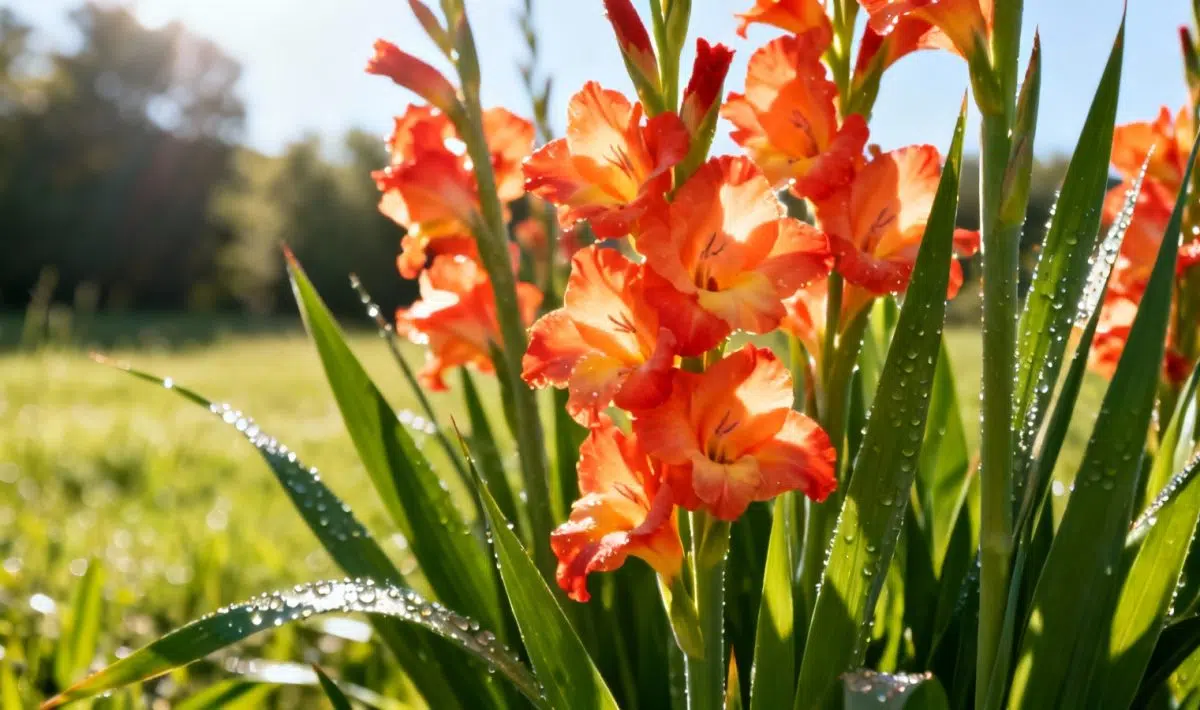
How much sunlight does gladiolus need – essential growing conditions for vibrant blooms
When it comes to creating stunning summer displays in your garden, gladiolus flowers are absolute showstoppers. These magnificent plants produce tall, elegant spikes adorned with colorful blooms that can transform any garden space. However, the key to achieving those spectacular flower displays lies in understanding one crucial factor: how much sunlight does gladiolus need to truly flourish.
Gladiolus plants are sun-loving beauties that demand full sunlight to reach their potential. These impressive flowers require at least 6 to 8 hours of direct sunlight daily for optimal growth and abundant blooming. Without adequate light exposure, your gladiolus will struggle to produce the vibrant, full flower spikes that make them garden favorites.
The relationship between sunlight and gladiolus health goes beyond simple photosynthesis. Just as sunlight requirements for growing pineapples are specific to their tropical nature, gladiolus have evolved to thrive in bright, sunny conditions that mirror their Mediterranean origins.
When gladiolus plants receive insufficient light, they begin to etiolate, which means they stretch unnaturally toward available light sources. This results in weak, spindly stems that cannot support proper flower development. The plants will produce fewer buds, and the flowers that do appear will be smaller and less vibrant than those grown in full sun.
Direct versus indirect sunlight for gladiolus
The distinction between direct and indirect sunlight is crucial for gladiolus success. Direct sunlight provides the intense energy these plants need for robust growth and flower production. Indirect or filtered light, while sufficient for many shade-loving plants, simply cannot deliver the photosynthetic power that gladiolus require.
Morning sunlight is particularly beneficial for gladiolus, as it helps dry dew from the leaves and reduces the risk of fungal diseases. Afternoon sun, while sometimes intense, is equally important for maintaining the energy levels these hungry plants need throughout their growing season.
Optimal growing conditions beyond sunlight
While sunlight is paramount, gladiolus success depends on several complementary factors. Well-draining soil is absolutely essential, as these bulbs are prone to rot in waterlogged conditions. The ideal soil should be loose, fertile, and slightly acidic to neutral, with a pH between 6.0 and 7.0.
Plant your gladiolus bulbs at a depth of 4 to 6 inches, spacing them about 6 inches apart. This gives each plant enough room to develop strong root systems while ensuring adequate air circulation. Similar to optimal sunlight for watermelon growth, proper spacing allows each plant to receive maximum light exposure without competition.
Temperature plays a supporting role in gladiolus cultivation. These plants prefer warm days with temperatures between 60-70°F, though they can tolerate higher temperatures if adequate moisture is maintained. Cool nighttime temperatures help promote strong stem development and vibrant flower colors.
Watering and maintenance requirements
Consistent moisture is vital for gladiolus, especially during their active growing period. Water deeply but infrequently, allowing the soil to dry slightly between waterings. This encourages deep root development while preventing the crown rot that can devastate these plants.
During the flowering season, gladiolus benefit from regular feeding with a balanced fertilizer. Apply a 10-10-10 fertilizer every two weeks from planting until the flowers begin to fade. This consistent nutrition, combined with full sunlight, produces the strongest stems and most vibrant blooms.
Unlike some herbs such as those discussed in guides about ideal sunlight for growing spearmint, gladiolus require staking for tall varieties. Install stakes when plants reach 12 inches tall to prevent wind damage to the developing flower spikes.
Seasonal considerations and varieties
The timing of gladiolus planting directly impacts their sunlight exposure and overall success. In most temperate climates, plant gladiolus bulbs in spring after the last frost date. This ensures they’ll receive the maximum amount of summer sunlight during their peak growing and blooming period.
Different gladiolus varieties may have slight variations in their light requirements, though all prefer full sun conditions. Miniature varieties, growing 2-3 feet tall, are excellent for containers placed in sunny locations. Large-flowered varieties, which can reach 4-5 feet, need the strongest sunlight to support their impressive height and substantial flower spikes.
For gardeners in extremely hot climates, providing some afternoon shade during the peak heat of summer can prevent stress while still maintaining the morning and late afternoon sun exposure that gladiolus crave. This is similar to the careful light management needed for delicate perennials like those covered in sunlight needed for shasta daisies.
Troubleshooting common light-related problems
When gladiolus don’t receive adequate sunlight, several telltale signs appear. Weak, floppy stems that require excessive staking indicate insufficient light. Delayed flowering or sparse bloom production are also clear indicators that your plants need more sun exposure.
Yellowing lower leaves during the growing season can signal inadequate light, though this can also indicate overwatering or poor soil drainage. If your gladiolus are planted in a location that receives less than 6 hours of direct sunlight, consider transplanting them to a sunnier spot for the following growing season.
The color intensity of gladiolus flowers is directly related to sunlight exposure. Blooms grown in full sun display richer, more saturated colors compared to those grown in partial shade, which often appear washed out or pale.
Maximizing your gladiolus garden success
Creating the perfect environment for gladiolus involves careful site selection and preparation. Choose the sunniest location in your garden, preferably one that receives morning sun and continues to be bright throughout the day. Avoid areas that are shaded by buildings, trees, or other structures during peak sunlight hours.
Soil preparation is equally important as light exposure. Amend heavy clay soils with compost and sand to improve drainage, while adding organic matter to sandy soils helps retain moisture and nutrients. This preparation, combined with full sun exposure, creates optimal growing conditions.
Consider companion planting with other sun-loving flowers that have similar cultural requirements. Marigolds, zinnias, and cosmos make excellent companions, all thriving in the same bright conditions that gladiolus prefer while helping to create a cohesive garden design.
With proper sunlight exposure and complementary care, gladiolus will reward you with months of spectacular blooms that make perfect cut flowers for indoor arrangements. These magnificent plants prove that when you meet their fundamental need for abundant sunlight, they’ll deliver some of the most impressive floral displays your garden can offer.
Allan is a lifelong gardening enthusiast who still gets excited when the first seedlings pop up in spring. With a deep love for nature and a hands-in-the-soil approach, he shares practical tips, plant discoveries, and clever tricks picked up over years of digging, planting, and observing. Whether you’re a new gardener or have a shed full of tools, Allan writes like a neighbor who’s always happy to swap cuttings and stories over the fence.
You can find more about Allan’s work on Malt or connect with him on LinkedIn.