Norway maple care, characteristics and cultivation for landscaping projects
The Norway maple (Acer platanoides) stands as one of Europe’s most recognizable trees, bringing decades of reliable beauty to landscapes across the continent. This deciduous member of the Sapindaceae family offers gardeners and landscape designers a robust choice that combines attractive foliage with remarkable adaptability. Whether you’re planning a small garden or a large-scale landscaping project, understanding this species can help you make informed decisions about your outdoor space.
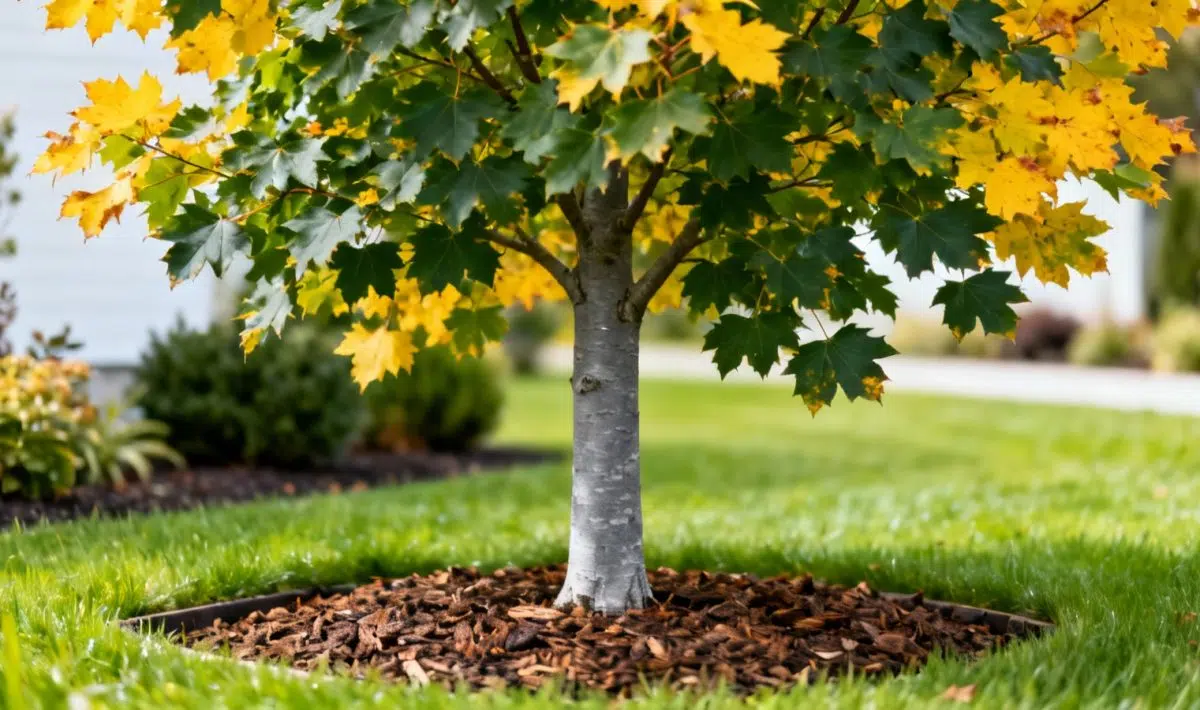
The Norway maple displays distinctive features that make identification straightforward throughout the seasons. This species typically reaches heights of 12-18 meters with an equally impressive spread, creating substantial shade coverage for any terrain. The tree’s palmate leaves feature five distinct lobes with smooth edges, distinguishing it from other maple species in the genus Acer.
During spring, the plane maple produces clusters of bright yellow flowers before the leaves fully emerge. These blooms develop into characteristic winged fruits called samaras, which disperse easily in autumn winds. The bark maintains a dark gray color with shallow furrows as the tree matures, while the overall crown develops a rounded, dense shape that provides excellent coverage.
The feuillage transforms dramatically through the seasons, starting with fresh green growth in spring and deepening to a rich, dark green during summer. Come autumn, the leaves turn brilliant shades of yellow and orange, persisting on branches well into November in many European climates.
Optimal growing conditions for Norway maple
This hardy species demonstrates remarkable tolerance to various soil types, thriving in both sandy and clay-based terrain. The tree adapts well to acidic, neutral, or slightly alkaline sols, making it suitable for diverse planting situations. However, ensuring proper drainage remains essential, as waterlogged conditions can stress even this resilient arbre.
Norway maples prefer full sun exposure, requiring at least six hours of direct sunlight daily for optimal growth. However, the species tolerates partial shade better than many other trees, making it valuable for urban environments where buildings may block some natural light. For gardeners interested in similar shade-tolerant options, care for Pontic rhododendron plants offers insights into another adaptable species.
Temperature resilience makes this maple suitable across much of Europe, from Scandinavia down to Mediterranean regions. The tree withstands urban pollution, road salt, and compacted sols better than many native species, explaining its popularity in city planning projects.
Care and maintenance requirements
Establishing young Norway maples requires consistent watering during their first growing season, but mature specimens develop impressive drought tolerance. Water deeply but infrequently, allowing the sol to dry slightly between applications. This approach encourages deep racines development and strengthens the tree’s natural résistance to dry periods.
Annual fertilization benefits young plants, though established trees rarely need supplemental feeding in quality garden sols. Apply a balanced, slow-release fertilizer in early spring, following package directions for the tree’s size. Just as fruit trees benefit from proper nutrition, understanding growing apricot trees successfully demonstrates similar principles of plant care.
Pruning should focus on removing dead, damaged, or crossing branches during dormancy in late winter. Young trees benefit from structural pruning to develop strong branch architecture, but mature specimens need minimal intervention. Always use clean, sharp tools to prevent disease transmission.
Common pests and diseases
Norway maples generally resist most serious diseases, though aphids occasionally infest the feuillage during spring growth. These insects rarely cause lasting damage, and natural predators typically control populations without intervention. Watch for tar spot, a cosmetic fungal issue that creates black spots on leaves but doesn’t threaten tree health.
Verticillium wilt poses the most serious threat to this espèce, causing branch dieback and leaf yellowing. Prevent this soil-borne disease by avoiding wounds to the trunk and maintaining proper watering practices. Remove affected branches promptly and sterilize tools between cuts.
Propagation methods for Acer platanoides
Growing Norway maples from graines offers the most straightforward propagation method for home gardeners. Collect fresh samaras in autumn when they fall naturally, removing the wing before planting. The seeds require cold stratification over winter, so plant them directly in outdoor beds or store them in slightly moist sand in the refrigerator for 90-120 days.
Sow stratified graines in spring once soil temperatures reach consistent levels above freezing. Plant at depths equal to twice the seed diameter in well-draining potting mix or prepared garden beds. Germination typically occurs within 2-3 weeks under proper conditions. Similar to understanding tips for cucumber care and growth, timing proves crucial for successful propagation.
Alternative propagation techniques
Grafting enables propagation of specific cultivars, though this technique requires more expertise than seed starting. Professional nurseries typically handle grafting operations, joining desired varieties onto compatible rootstock. This method preserves exact characteristics of parent plants, ensuring consistent quality across specimens.
Softwood cuttings taken in early summer occasionally root successfully, though success rates remain lower than with other maple espèces. Treat cuttings with rooting hormone and maintain high humidity levels during the establishment period.
Landscape applications and design considerations
The Norway maple’s substantial size and dense crown make it excellent for shade trees in large landscapes. Plant specimens at least 15 meters apart to allow full development without crowding. The tree’s tolerance for urban conditions makes it valuable for street plantings and public spaces where other espèces might struggle.
However, gardeners should consider this espèce’ vigorous self-seeding habit when planning placements. In some regions, abundant samares production leads to numerous volunteer seedlings that may require management. For those seeking alternatives with different maintenance requirements, exploring caring for Oxeye daisies effectively shows how perennial plants can complement tree plantings.
The extensive racines system can compete with nearby plantes, so choose companion plantings carefully. Shade-tolerant groundcovers and shrubs work best beneath mature specimens, while avoiding shallow-rooted ornamentals near the trunk base.
Seasonal maintenance schedule
Spring tasks include examining the tree for winter damage and applying fertilizer if needed. Remove any broken branches and check for early signs of pest activity. This season also provides the best opportunity for planting new specimens or transplanting young trees.
Summer care focuses on watering during extended dry periods and monitoring for stress signs. The deep green feuillage should remain vibrant throughout the growing season with proper care. For gardeners managing multiple plant types, understanding growing Oriental arborvitae plants provides insights into caring for evergreen companions.
Autumn brings leaf cleanup responsibilities, as the Norway maple drops substantial amounts of colorful foliage. Collect and compost healthy leaves, but dispose of any showing disease symptoms separately. This season also offers opportunities for seed collection if propagation interests you.
Winter maintenance remains minimal, focusing on structural pruning during dormancy periods. Remove any branches that pose safety risks and address crowding issues before spring growth begins. The tree’s natural résistance to cold weather means protection rarely becomes necessary in appropriate climates.
Long-term considerations and environmental impact
Norway maples can live over 100 years with proper care, making them significant long-term investments in landscape design. Their rapid croissance rate provides relatively quick results compared to slower-developing espèces, but this vigor requires thoughtful placement to prevent future problems.
Consider the tree’s mature dimensions when planning installations, ensuring adequate space for both height and spread development. The dense canopy creates substantial ombre, which can benefit or challenge surrounding vegetation depending on your garden goals. For those working with large landscape trees, examining maintenance of honey locust trees offers additional perspectives on managing substantial specimens.
Environmental considerations include the tree’s potential impact on native ecosystems in some regions. While valued for its adaptability and urban tolerance, the Norway maple’s prolific seeding can outcompete indigenous espèces in natural areas. Responsible gardening includes monitoring for volunteer seedlings and removing them when necessary to protect local biodiversity.
Climate change may affect this espèce’ future distribution, as shifting temperature and precipitation patterns alter growing conditions across Europe. However, the Norway maple’s broad tolerance range suggests continued viability in most traditional growing areas, making it a relatively stable choice for long-term landscape planning.
Allan is a lifelong gardening enthusiast who still gets excited when the first seedlings pop up in spring. With a deep love for nature and a hands-in-the-soil approach, he shares practical tips, plant discoveries, and clever tricks picked up over years of digging, planting, and observing. Whether you’re a new gardener or have a shed full of tools, Allan writes like a neighbor who’s always happy to swap cuttings and stories over the fence.
You can find more about Allan’s work on Malt or connect with him on LinkedIn.