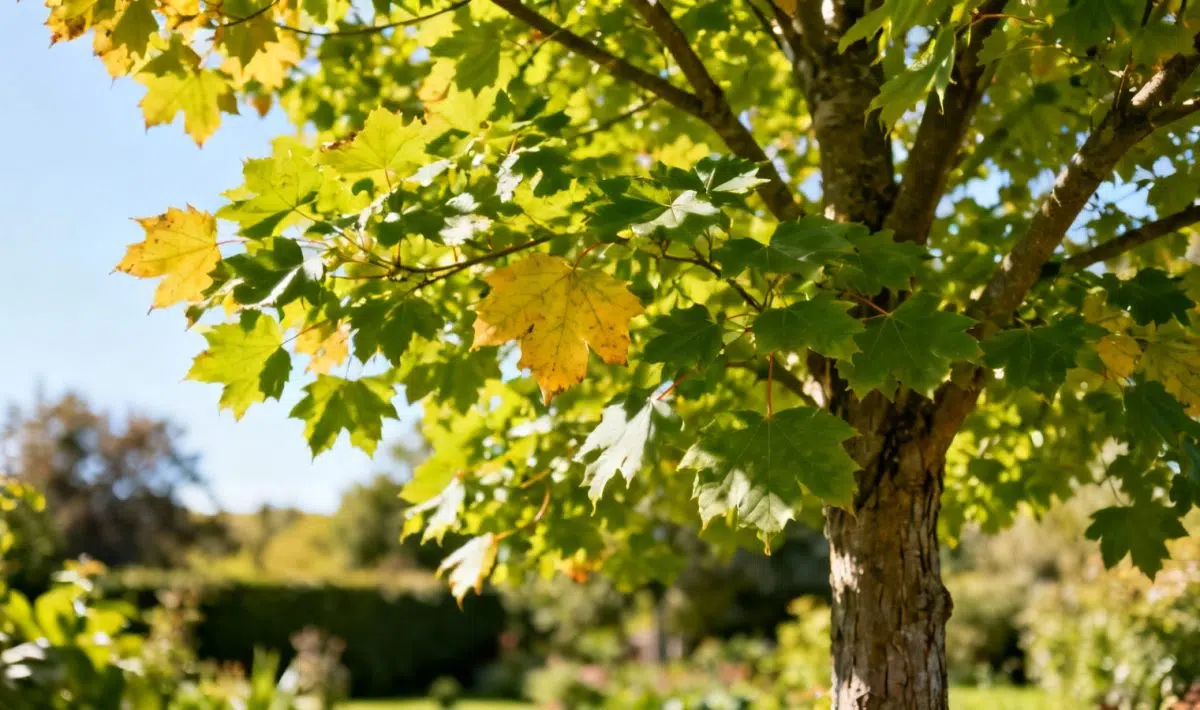
How much sunlight does Norway maple need for healthy growth
Norway maple trees are remarkably adaptable when it comes to light conditions, but understanding their specific sunlight requirements can make the difference between a thriving specimen and a struggling one. These majestic trees perform best with adequate light exposure, though they show impressive flexibility during different stages of their growth.
The Norway maple (Acer platanoides) demonstrates exceptional plasticity regarding light conditions throughout its lifespan. Young trees can tolerate shadier conditions quite well, but mature specimens achieve their best growth and form when provided with sufficient sunlight. For optimal development, these trees require at least 6 hours of direct sunlight daily once established.
This variety of maple tree naturally grows in forest edges and clearings in its native habitat, which explains its ability to adapt to varying light conditions. However, the tree’s performance varies significantly depending on the amount of sunlight it receives. Full sun exposure promotes the most vigorous growth, dense foliage, and the characteristic broad canopy that makes Norway maples so popular for landscaping.
When comparing different maple species, it’s worth noting that each has unique requirements. For instance, understanding the sunlight requirements for Japanese maple can provide insight into how different maple varieties adapt to various light conditions, though Norway maples are generally more sun-tolerant than their Japanese cousins.
Optimal light conditions for planting
The ideal growing conditions for Norway maple involve full sun to partial shade exposure. Full sun means the tree receives direct sunlight for 6 or more hours daily, while partial shade indicates 3-6 hours of direct sun or filtered light throughout most of the day. These trees show remarkable tolerance for different conditions, but their growth rate and overall health improve dramatically with increased light exposure.
When selecting a planting location, consider that Norway maples planted in full sun develop stronger branching structures and more robust root systems. The enhanced photosynthesis from adequate sunlight enables the tree to produce more energy for growth and defense against environmental stresses. Trees in optimal light conditions also tend to have better autumn color display and more consistent leaf coverage.
Avoid planting Norway maples in deep shade for ornamental purposes, as this can result in weak, spindly growth with sparse foliage. While the tree can survive in shadier conditions, it won’t achieve the impressive stature and form that makes it such a desirable landscape tree.
Shade tolerance in young trees
Young Norway maple saplings demonstrate impressive shade tolerance, which is actually beneficial during their establishment phase. This characteristic allows them to grow successfully under the canopy of existing trees before eventually emerging into full sunlight. However, this tolerance shouldn’t be mistaken for a preference for shaded conditions.
During the first few years after planting, Norway maples can thrive with as little as 4 hours of direct sunlight, provided they receive bright, filtered light for the remainder of the day. This flexibility makes them excellent choices for locations where light conditions may change over time due to the removal of nearby trees or structures.
Recognizing insufficient sunlight
Trees that don’t receive adequate sunlight often display characteristic signs of stress. Norway maples in too much shade typically develop thin, weak branches that reach desperately toward available light sources. The foliage may become sparse, and leaf size can increase as the tree attempts to capture more light with larger surface areas.
Another indicator of insufficient light is poor autumn color development. Norway maples are known for their brilliant yellow fall foliage, but trees in heavy shade often produce lackluster autumn displays with early leaf drop. The overall growth rate also slows significantly, and the tree may become more susceptible to diseases and pest problems.
Just as different plants have varying light needs – much like how optimal sunlight for growing eggplant differs from tree requirements – Norway maples have evolved specific adaptations that require adequate light to function properly.
Excessive sun exposure concerns
While Norway maples prefer full sun, extremely intense sunlight combined with other stress factors can occasionally cause problems. In regions with very hot summers and intense UV radiation, newly planted trees may experience some leaf scorch if they haven’t had time to develop their full canopy for self-protection.
Young trees planted in parking lots or other heat-island environments may struggle initially, not necessarily from too much light, but from the combination of intense sun, reflected heat, and often poor soil conditions. However, once established, mature Norway maples are remarkably resilient to full sun conditions.
Maximizing growth through proper placement
Strategic placement of Norway maples can significantly impact their long-term health and appearance. Choose locations that provide morning sun, as this helps dry dew from leaves and reduces disease pressure. Afternoon sun is equally important for maintaining vigorous growth, though some protection during the hottest part of summer days can be beneficial in extreme climates.
Consider the mature size of the tree when selecting a planting site. Norway maples can reach 40-60 feet in height with equally impressive spreads, so ensure the chosen location can accommodate this growth without the tree eventually shading itself or competing with structures for light.
The relationship between light and healthy growth extends beyond just trees – for example, light conditions for angel’s-wings plant demonstrate how different species have evolved specific light requirements that directly impact their vitality and appearance.
Improving light access for established trees
If you have an existing Norway maple that seems to be struggling due to insufficient light, there are several strategies you can employ. Selective pruning of surrounding trees or removal of structures that block sunlight can dramatically improve conditions. However, make these changes gradually to avoid shocking the tree with sudden exposure to much brighter conditions.
Tree crown thinning can also help maximize the light that reaches inner branches and the lower canopy. This technique involves selectively removing some branches to allow more light penetration while maintaining the tree’s natural shape and structural integrity.
Monitoring tree health and growth
Regular observation of your Norway maple’s growth patterns and overall health provides valuable insights into whether it’s receiving adequate sunlight. Healthy trees in optimal light conditions typically show consistent annual growth, with new shoots extending 12-24 inches per year during their prime growing years.
Pay attention to leaf color and density throughout the growing season. Trees receiving sufficient sunlight maintain deep green foliage during summer and develop the characteristic bright yellow autumn color. Compare your tree’s performance to others of similar age growing in different light conditions to gauge whether adjustments might be beneficial.
Similar to how healthy growth of mulberry trees depends on meeting their specific light requirements, Norway maples thrive when their sunlight needs are properly understood and met through thoughtful placement and care.
Understanding and providing the right amount of sunlight for your Norway maple ensures you’ll enjoy a magnificent tree that serves as a stunning focal point in your landscape for decades to come. With proper light exposure, these adaptable trees reward gardeners with rapid growth, beautiful form, and reliable seasonal interest that makes them one of the most valued landscape trees available.
Allan is a lifelong gardening enthusiast who still gets excited when the first seedlings pop up in spring. With a deep love for nature and a hands-in-the-soil approach, he shares practical tips, plant discoveries, and clever tricks picked up over years of digging, planting, and observing. Whether you’re a new gardener or have a shed full of tools, Allan writes like a neighbor who’s always happy to swap cuttings and stories over the fence.
You can find more about Allan’s work on Malt or connect with him on LinkedIn.