How much sunlight does parsley need for optimal growth and harvest
Growing parsley successfully starts with understanding its sunlight requirements. This versatile herb needs the right balance of light to develop those flavorful, rich green leaves that make it such a valuable addition to any garden. Getting the lighting conditions just right will determine whether your parsley plants thrive or simply survive.
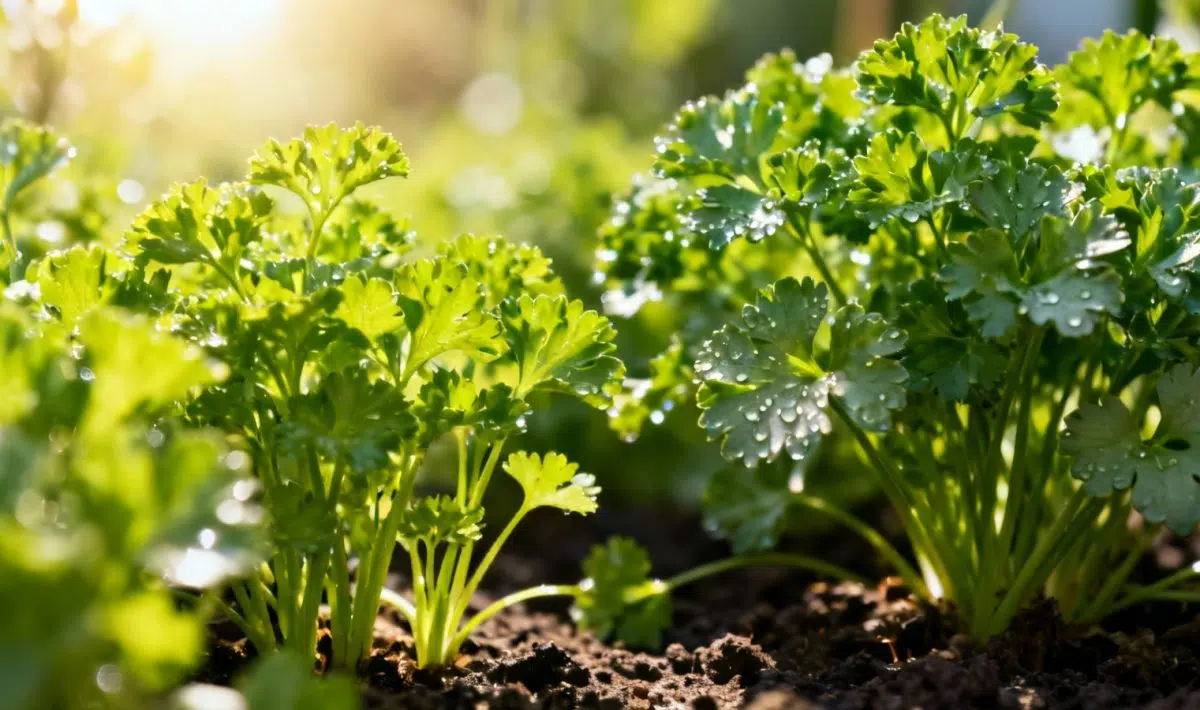
Parsley grows best with 4 to 8 hours of sunlight daily, preferring bright but not scorching conditions. This herb actually performs well in partial shade, making it more forgiving than many other garden plants. The key is finding that sweet spot where your parsley gets enough light to photosynthesize effectively without being stressed by intense heat.
Most gardening experts recommend at least 4 to 6 hours of direct sunlight for outdoor cultivation. However, parsley can tolerate morning sun followed by afternoon shade, which often works perfectly in warmer climates. When growing indoors, aim for 5 to 6 hours of bright light near a well-exposed window or supplement with grow lights.
The quality of light matters just as much as quantity. Direct morning sunlight paired with filtered afternoon light creates ideal conditions for steady growth. Too much intense midday sun can actually scorch the delicate leaves, while insufficient light leads to weak, spindly growth with poor flavor development.
Choosing the right growing conditions
Soil quality plays a crucial role in how well your parsley utilizes available sunlight. Rich, well-draining soil helps plants maximize their photosynthetic potential and develop robust root systems. The ideal growing medium should be loose, fertile, and maintain consistent moisture without becoming waterlogged.
When selecting parsley seeds or varieties, consider your local climate and available growing space. Flat-leaf varieties tend to be more heat-tolerant than curly types, making them better choices for gardens with intense sun exposure. Just as sunlight requirements for healthy mulberry vary by species, different parsley cultivars have slightly different light preferences.
Container growing offers excellent control over light exposure. You can move pots to follow optimal sun patterns throughout the day or season. Use containers at least 8 inches deep to accommodate parsley’s taproot, and ensure proper drainage holes to prevent root problems that can affect the plant’s ability to process sunlight efficiently.
Seasonal light management
Spring and early summer provide ideal natural lighting conditions for parsley growth. During these months, the combination of moderate temperatures and increasing daylight hours creates perfect growing conditions. Plant your seeds after the last frost date when soil temperatures consistently reach 50°F or warmer.
Summer heat requires careful attention to prevent stress. In regions with intense summer sun, providing afternoon shade helps maintain steady growth without leaf burn. Consider companion planting with taller herbs or vegetables that can offer natural shade during the hottest parts of the day.
Winter growing extends your harvest season but requires adjustments. Shorter days and weaker sunlight may necessitate moving containers to brighter locations or supplementing with artificial lighting. Cold frames or simple row covers can help capture and retain more light while protecting plants from harsh weather.
Optimizing growth through proper care
Regular harvesting actually encourages more vigorous growth when combined with adequate sunlight. Cut outer stems first, leaving the center growing point intact to maintain continuous production. This technique works similarly to how optimal sunlight for growing eggplants supports ongoing fruit development through proper pruning.
Water management directly affects how plants use available light. Consistent soil moisture helps parsley leaves stay tender and flavorful, while water stress can cause bitter taste and premature flowering. Morning watering allows plants to fully utilize daylight hours for photosynthesis while reducing disease risks.
Fertilizing every 3-4 weeks with a balanced, water-soluble fertilizer supports healthy leaf development. Well-nourished plants can better tolerate varying light conditions and recover more quickly from environmental stress. Avoid over-fertilizing, which can reduce flavor concentration in the leaves.
Troubleshooting common light-related issues
Leggy, pale growth typically indicates insufficient light exposure. Move plants to brighter locations or thin surrounding vegetation to increase available sunlight. Indoor plants showing these symptoms benefit from supplemental grow lights positioned 6-12 inches above the foliage.
Yellowing or brown leaf edges often signal too much direct sun or heat stress. Creating filtered shade during peak afternoon hours usually resolves this issue. Similar challenges affect other herbs, and understanding sunlight needs of angel’s-wings plant can provide insights for managing delicate foliage plants.
Slow growth or poor germination may result from inadequate soil temperature combined with insufficient light. Ensure planting depth matches seed packet recommendations, typically 1/4 inch deep for parsley seeds. Covering seed beds with clear plastic can help retain warmth and light during cooler weather.
Maximizing harvest potential
Timing your harvest for maximum flavor means understanding how light affects essential oil development in parsley leaves. Early morning harvesting, after dew has evaporated but before intense midday heat, captures peak flavor compounds. This timing applies to many garden vegetables, including understanding radish growth and sunlight exposure patterns.
Successive planting every 3-4 weeks ensures continuous fresh supply throughout the growing season. Stagger plantings in different light exposure areas to extend harvest periods and maintain consistent quality. This approach works particularly well when growing both curly and flat-leaf varieties.
Preserving your harvest maintains that fresh flavor year-round. Freeze whole stems in ice cube trays with water, or dry leaves in a well-ventilated area away from direct sunlight to retain color and potency. Fresh parsley adds incredible depth to soups, sauces, and culinary preparations when properly cultivated under optimal light conditions.
Advanced growing techniques
Companion planting creates beneficial growing environments while maximizing garden space. Plant parsley alongside tomatoes, peppers, or other warm-season crops that can provide natural afternoon shade. This relationship mirrors successful pairings found with other shade-tolerant plants like healthy sunlight levels for selloum.
Season extension techniques help maintain production when natural light becomes limiting. Row covers, cold frames, or simple hoop tunnels can capture additional warmth and light during cooler months. These structures create microclimates that allow continued growth well beyond normal outdoor seasons.
Indoor cultivation using grow lights provides year-round fresh herbs regardless of weather conditions. LED grow lights positioned 12-18 inches above plants for 12-14 hours daily can substitute for natural sunlight. This method ensures consistent quality and eliminates weather-related growing challenges while maintaining full control over light exposure timing and intensity.
Allan is a lifelong gardening enthusiast who still gets excited when the first seedlings pop up in spring. With a deep love for nature and a hands-in-the-soil approach, he shares practical tips, plant discoveries, and clever tricks picked up over years of digging, planting, and observing. Whether you’re a new gardener or have a shed full of tools, Allan writes like a neighbor who’s always happy to swap cuttings and stories over the fence.
You can find more about Allan’s work on Malt or connect with him on LinkedIn.