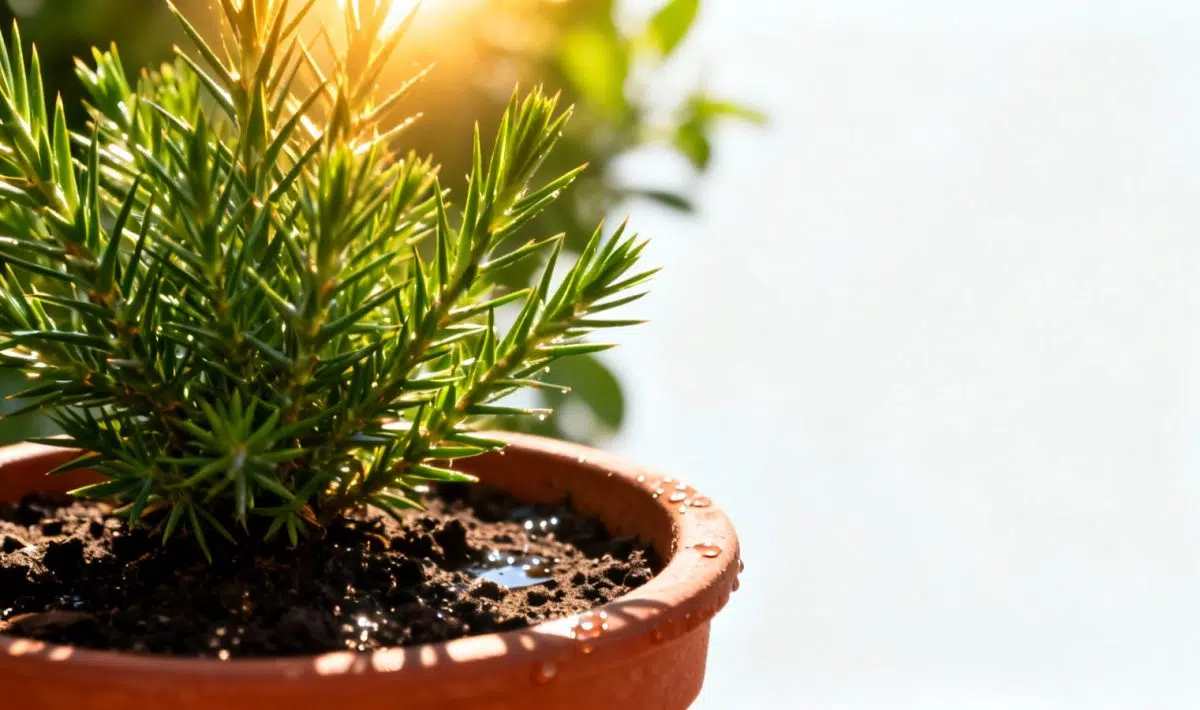
Understanding Adam’s needle and its sunlight requirements
Adam’s needle, scientifically known as Yucca filamentosa, is a stunning native plant that originates from the southeastern United States. This hardy perennial has become increasingly popular among gardeners for its dramatic appearance and low-maintenance nature. Like many drought-tolerant plants, understanding how much sunlight does Adam’s needle need is crucial for successful cultivation.
This remarkable plant produces sword-like leaves that form dense rosettes, creating an architectural focal point in any garden. The filamentosa variety is particularly prized for the delicate white threads that curl along the leaf margins, giving it a distinctive appearance that sets it apart from other yucca species.
What makes Adam’s needle special
Native to regions with intense sunlight and well-draining soils, Adam’s needle has evolved to thrive in conditions that would challenge many other plants. The plant’s succulent-like leaves store water efficiently, while its extensive root system anchors it firmly in place. During spring and early summer, mature plants produce spectacular flowering spikes that can reach impressive heights.
The versatility of this plant makes it suitable for various landscaping applications. Whether you’re creating a xeriscape garden or adding texture to traditional flower beds, Adam’s needle adapts beautifully to different design schemes while maintaining its striking presence throughout the growing season.
Optimal sunlight conditions for healthy growth
Adam’s needle performs best when provided with full sun exposure, requiring at least six hours of direct sunlight daily. This plant truly shines when positioned in locations that receive continuous sunlight throughout the day, as adequate light exposure is essential for proper development and flowering.
While the plant can tolerate partial shade conditions, reduced light levels often result in less vigorous growth and diminished flowering potential. In areas with limited sunlight, you may notice the leaves becoming more elongated as the plant stretches toward available light sources. For gardeners wondering about optimal placement, southern or western exposures typically provide the ideal conditions this hardy plant craves.
Effects of insufficient light on plant health
When Adam’s needle doesn’t receive adequate sunlight, several issues can develop that impact its overall health and appearance. The most noticeable effect is reduced flowering, as the plant requires substantial energy reserves to produce its magnificent flower spikes. Plants grown in too much shade often fail to bloom entirely, missing out on one of their most spectacular features.
Additionally, insufficient light can lead to weaker growth patterns and increased susceptibility to moisture-related problems. The plant’s natural drought tolerance becomes compromised when grown in shadier conditions, as the reduced photosynthesis limits its ability to process water efficiently.
Comparing sunlight needs with other garden plants
Understanding how Adam’s needle compares to other common garden plants can help you make informed decisions about garden placement and companion planting. While researching sunlight requirements for sycamore trees reveals these trees need substantial light for healthy development, Adam’s needle requires even more intense, direct exposure.
Similarly, when considering vegetable gardens, the optimal sunlight for potato plants shows these crops need good light but can tolerate some morning shade. Adam’s needle, however, benefits from consistent sun exposure throughout the day without any significant shade periods.
For herb enthusiasts exploring coriander’s sunlight needs for growth, you’ll find this culinary plant is more flexible with partial shade tolerance. In contrast, Adam’s needle maintains its best form and flowering capacity only with maximum sun exposure, making it perfect for the hottest, sunniest spots in your garden.
Growing tips for maximum success
To ensure your Adam’s needle receives optimal sunlight, consider these practical growing recommendations. Choose planting locations that avoid overhead obstructions like large trees or building overhangs that might cast shadows during peak daylight hours. The plant’s compact growth habit makes it suitable for various garden sizes, from expansive landscapes to smaller residential yards.
Soil preparation plays a crucial role in supporting healthy growth alongside proper light exposure. Adam’s needle thrives in well-draining soils that prevent water from accumulating around the root zone. Sandy or rocky soils often work exceptionally well, mimicking the plant’s natural habitat conditions.
Regular care involves minimal watering once established, as the plant’s drought tolerance becomes more pronounced with adequate sunlight exposure. During the first growing season, monitor soil moisture levels while the root system develops, but avoid overwatering which can lead to root rot issues.
Seasonal considerations and flowering
Spring marks an important time for Adam’s needle as new growth begins and energy reserves build toward the eventual flowering period. Ensuring consistent sunlight exposure during this critical phase supports robust development and increases the likelihood of spectacular blooms during late spring or early summer.
The plant’s flowering cycle directly correlates with sunlight availability, as insufficient light can delay or prevent bloom formation entirely. When conditions are ideal, mature plants produce towering flower spikes adorned with creamy white bell-shaped blooms that create stunning garden displays. Just as gardeners research sunlight needed by false sunflowers for optimal blooming, providing Adam’s needle with maximum sun exposure ensures the best flowering results.
Climate adaptation and regional considerations
Adam’s needle demonstrates remarkable adaptability across various climate zones, from its native southeastern regions to northern areas with cold winter temperatures. However, sunlight requirements remain consistent regardless of geographical location, with full sun exposure being essential for healthy growth everywhere.
In northern climates, the shorter growing season makes adequate sunlight even more critical for plant establishment and energy storage before winter dormancy. Southern gardeners benefit from longer periods of intense sunlight, often resulting in more frequent flowering and larger plant specimens over time.
Understanding these regional differences helps gardeners adjust their care strategies while maintaining the fundamental requirement for maximum sun exposure that keeps Adam’s needle thriving in any location.
Maximizing your Adam’s needle’s potential
Success with Adam’s needle ultimately depends on providing the abundant sunlight this remarkable plant requires for optimal growth and flowering. By positioning your plant in the sunniest available location and ensuring consistent light exposure throughout the growing season, you’ll be rewarded with a stunning architectural specimen that enhances any garden setting.
Remember that while this hardy plant tolerates various soil conditions and requires minimal care once established, adequate sunlight remains the single most important factor in achieving the dramatic growth and spectacular flowering that makes Adam’s needle such a prized addition to drought-tolerant gardens.
Allan is a lifelong gardening enthusiast who still gets excited when the first seedlings pop up in spring. With a deep love for nature and a hands-in-the-soil approach, he shares practical tips, plant discoveries, and clever tricks picked up over years of digging, planting, and observing. Whether you’re a new gardener or have a shed full of tools, Allan writes like a neighbor who’s always happy to swap cuttings and stories over the fence.
You can find more about Allan’s work on Malt or connect with him on LinkedIn.