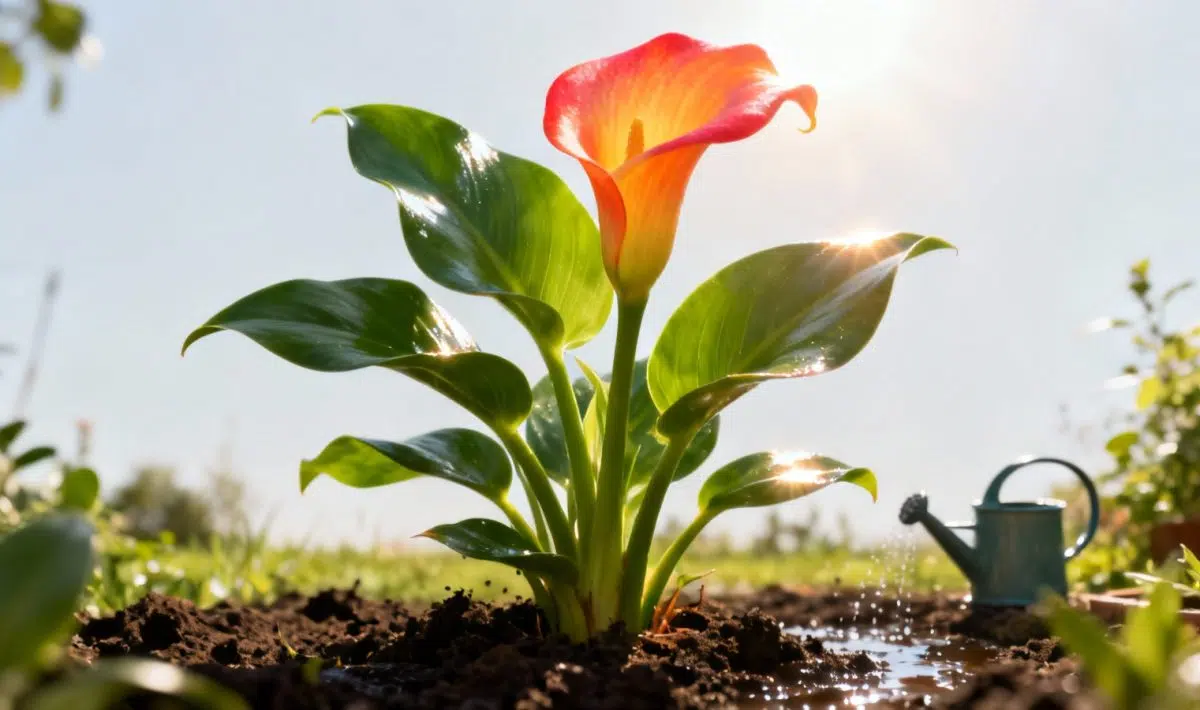
How much sunlight does calla lily need – care and planting tips
If you’ve fallen in love with the elegant beauty of calla lilies, you’re probably wondering exactly how much sunlight these stunning plants need to thrive. The truth is, getting the light requirements right can make the difference between lackluster growth and spectacular blooms that’ll have your neighbors asking for gardening advice.
Calla lilies perform best with 3 to 6 hours of direct sunlight per day when grown outdoors, or 6 to 8 hours of bright indirect light when cultivated indoors. This partial sun exposure provides the perfect balance for healthy growth without causing stress to the plant. The key is finding that sweet spot where your calla gets enough energy for photosynthesis while avoiding the harsh afternoon sun that can scorch those beautiful leaves.
These perennial beauties are surprisingly adaptable when it comes to light conditions. Unlike some garden plants that demand full sun all day long, callas actually prefer morning sunlight followed by afternoon shade, especially in warmer climates. This preference makes them excellent candidates for those partially shaded spots in your garden that other flowers might struggle with.
Seasonal sunlight considerations for calla lilies
Spring brings the perfect time to increase light exposure for your calla lily plants. As they emerge from their dormant period, gradually introducing them to longer periods of sunlight helps stimulate robust growth and prepares them for their spectacular flowering season. During this crucial spring period, aim for the full 6 hours of morning and early afternoon sun.
Summer requires a more cautious approach with light exposure. While callas need adequate sunlight to maintain their energy levels, the intense midday heat can cause leaf burn and stress. Much like how lemon tree sunlight requirements vary by season, callas benefit from protective afternoon shade during the hottest months.
Winter care focuses on maintaining sufficient light indoors if you’re growing potted varieties. Supplemental grow lights become invaluable during shorter days, ensuring your plants receive consistent illumination for healthy dormancy preparation.
Indoor vs outdoor light management
Indoor calla lily care requires strategic placement near south or west-facing windows where they can capture maximum natural light. The goal is achieving that 6 to 8 hours of bright, indirect illumination daily. If natural light proves insufficient, especially during winter months, LED grow lights positioned 12 to 18 inches above the plant provide excellent supplemental lighting.
Outdoor cultivation offers more flexibility but requires careful site selection. Choose locations with morning sun exposure and natural afternoon shade from trees or structures. This mimics their native growing conditions and prevents the leaf yellowing that occurs with excessive heat and light. Just as creeping thistle light needs vary based on growing conditions, callas adapt their light tolerance based on soil moisture and ambient temperature.
Optimizing light exposure for maximum blooms
The relationship between light quality and flower production in calla lilies is fascinating. Adequate morning sunlight triggers the photosynthetic processes that fuel flower development, while afternoon shade preserves the plant’s energy reserves. This balance ensures those stunning white, yellow, pink, or purple blooms that make callas so desirable.
Different calla lily varieties show varying light preferences. White varieties tend to tolerate full sun better than their colored counterparts, provided soil moisture remains consistent. Colored varieties, particularly the deep purples and burgundies, often prefer slightly more shade to maintain their vibrant pigmentation.
Container-grown callas offer the advantage of mobility. You can easily adjust their position throughout the day or season to optimize light exposure. This flexibility proves particularly valuable during extreme weather conditions or when you notice signs of light stress.
Common light-related problems and solutions
Recognizing light stress symptoms helps maintain healthy calla lily plants. Yellowing leaves often indicate excessive sun exposure, while pale, elongated growth suggests insufficient light. Brown leaf edges typically signal too much direct afternoon sun, similar to issues seen with common lilac sunlight preferences that aren’t properly met.
Adjusting light exposure should be gradual to prevent shock. If moving plants from shade to brighter conditions, increase exposure by one hour weekly until reaching optimal levels. Similarly, if reducing light exposure, make changes incrementally over several weeks.
Planting tips for perfect light conditions
When establishing new calla lily bulbs, consider the mature plant’s light requirements during site selection. Plant bare-root bulbs in locations where they’ll receive ideal light exposure once established. Spring planting allows new growth to gradually acclimate to increasing daylight hours as the season progresses.
Soil preparation works hand-in-hand with light management. Rich, well-draining soil helps plants better tolerate varying light conditions by supporting healthy root development. This foundation enables efficient nutrient uptake that supports the energy demands of photosynthesis. Understanding these connections helps create optimal growing conditions, much like knowing garden nasturtium sunlight demands ensures successful cultivation.
Mulching around calla lily plants provides additional protection during intense sunlight periods. A 2-inch layer of organic mulch helps regulate soil temperature and moisture while reducing heat stress on the root system.
Creating the perfect growing environment
Successful calla lily cultivation combines proper light exposure with complementary care practices. Regular watering becomes especially important during periods of higher light exposure, as increased photosynthesis demands adequate moisture. However, avoid overwatering, which can lead to root rot regardless of light conditions.
Fertilization timing should align with light exposure patterns. During peak growing seasons with optimal light, monthly feeding supports vigorous growth and flower production. Reduce feeding frequency during lower-light winter periods when growth naturally slows.
Companion planting offers another strategy for light management. Taller perennial plants can provide natural afternoon shade for callas while shorter groundcover plants, such as white clover light exposure needs, can help maintain soil moisture and temperature around calla lily roots.
With proper attention to sunlight requirements, your calla lily plants will reward you with elegant blooms and lush foliage that enhance any garden or indoor space. Remember that successful gardening often involves observing your plants and adjusting care based on their specific responses to environmental conditions.
Allan is a lifelong gardening enthusiast who still gets excited when the first seedlings pop up in spring. With a deep love for nature and a hands-in-the-soil approach, he shares practical tips, plant discoveries, and clever tricks picked up over years of digging, planting, and observing. Whether you’re a new gardener or have a shed full of tools, Allan writes like a neighbor who’s always happy to swap cuttings and stories over the fence.
You can find more about Allan’s work on Malt or connect with him on LinkedIn.