
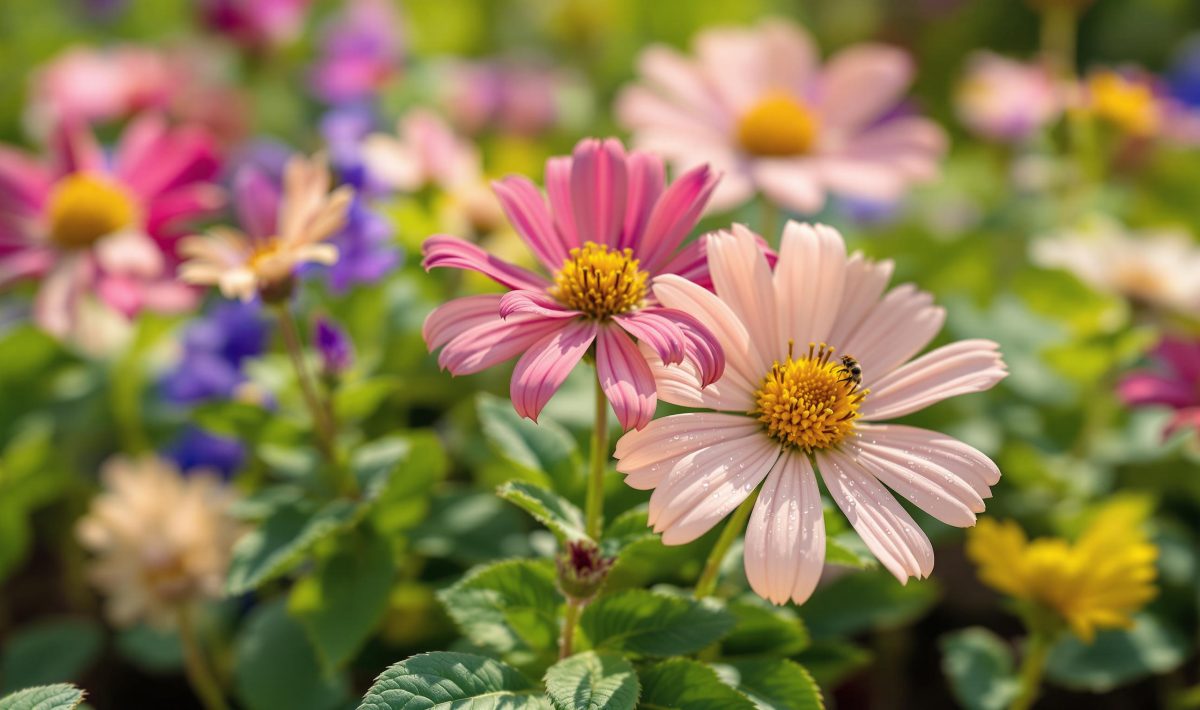
These July Bloomers Turn Any Yard Into a Pollinator Paradise
As summer reaches its peak, gardens across the country are bursting with vibrant blooms that attract essential pollinators like bees, butterflies, and hummingbirds. July is a critical month for supporting these vital creatures, and strategic planting can transform any yard into a thriving pollinator paradise. With climate change and habitat loss threatening pollinator populations, choosing the right plants for midsummer blooms has never been more important.
Nectar-Rich Flowers Fuel Pollinator Activity
July’s heat demands flowers that provide abundant nectar and pollen. Echinacea, Rudbeckia, and Hollyhocks are top choices, offering bold, open blooms in shades of purple, yellow, and red that pollinators find irresistible. These perennials thrive in full sun and tolerate drought, making them ideal for hot summer months.
Native Plants Provide Seasonal Support
Native species like Common Yarrow (Achillea millefolium) and Bigleaf Lupine (Lupinus polyphyllus) bloom from May to July, ensuring a steady food supply for pollinators during peak activity. These plants also attract beneficial insects that help control pests naturally.
Staggered Planting Ensures Continuous Blooms
By selecting plants with overlapping bloom periods, gardeners can maintain a constant nectar source. For example, pairing early-blooming Texas Native Milkweed (Asclepias tuberosa) with mid-summer Coneflowers creates a dynamic ecosystem that sustains pollinators throughout the season.
Top July-Blooming Plants for Pollinator Gardens
Coneflowers and Rudbeckia: Drought-Tolerant Nectar Sources
Coneflowers (Echinacea) and Rudbeckia (Black-eyed Susans) are drought-resistant perennials that bloom profusely in July. Their daisy-like flowers are rich in nectar and pollen, attracting bees, butterflies, and hummingbirds. These plants require minimal maintenance and thrive in poor soil, making them ideal for challenging garden conditions.
Texas Native Milkweed: A Monarch Butterfly Lifeline
As a host plant for monarch caterpillars, Texas Native Milkweed (Asclepias tuberosa) is essential for supporting this endangered species. Its bright orange or yellow blooms also attract adult monarchs and other pollinators. Planting milkweed in clusters maximizes its impact, as monarchs prefer large patches of this vital resource.

Common Yarrow and Bigleaf Lupine: Dual-Purpose Perennials
Common Yarrow (Achillea millefolium) and Bigleaf Lupine (Lupinus polyphyllus) serve dual roles: they provide nectar for pollinators and stabilize soil with deep root systems. Yarrow’s fern-like foliage and lupine’s tall spikes add structural interest to gardens while supporting beneficial insects.
Best Practices for Creating a Pollinator-Friendly Yard
Avoiding Pesticides and Providing Water Sources
Pesticides decimate pollinator populations, so organic gardening methods are crucial. Instead of chemical sprays, introduce natural predators like ladybugs or lacewings. Shallow water dishes with rocks or twigs allow pollinators to drink safely without drowning.
Selecting Heat- and Drought-Tolerant Varieties
Plants like Hollyhocks and Rudbeckia excel in hot, dry conditions, making them perfect for July gardens. These species have evolved to withstand high temperatures and limited rainfall, reducing the need for frequent watering.
Staggering Planting Times for Extended Bloom Periods
Planting a mix of early-, mid-, and late-summer bloomers ensures a continuous nectar supply. For example, pairing Bigleaf Lupine (June–July blooms) with Coneflowers (July–August blooms) creates a seamless transition between flowering periods.
Regional Considerations for Pollinator Gardens
Choosing Plants Adapted to Local Climate Zones
Gardeners in the southern U.S. should prioritize Texas Native Milkweed and drought-tolerant Hollyhocks, while those in cooler regions may focus on Common Yarrow and Bigleaf Lupine. Always select plants native to your area for optimal pollinator support.
Incorporating Native Species for Maximum Impact
Native plants like Rudbeckia and Echinacea have co-evolved with local pollinators, ensuring they provide the most effective food sources. These species also require less maintenance than non-native alternatives, reducing long-term care.
Adapting Strategies for Different Growing Conditions
In urban areas, use compact varieties of Coneflowers or Yarrow to maximize space. Rural gardens can prioritize large clusters of Milkweed and Lupine to attract migratory pollinators like monarchs.
Transforming a yard into a pollinator paradise requires strategic planting and mindful maintenance. By selecting nectar-rich, drought-tolerant blooms like Echinacea, Rudbeckia, and Texas Native Milkweed, gardeners can create vibrant ecosystems that sustain vital pollinators. Avoiding pesticides, providing water sources, and staggering bloom times ensure these gardens thrive year-round. As pollinator populations face unprecedented threats, every yard can become a critical refuge—and July blooms are the perfect starting point.

Allan is a lifelong gardening enthusiast who still gets excited when the first seedlings pop up in spring. With a deep love for nature and a hands-in-the-soil approach, he shares practical tips, plant discoveries, and clever tricks picked up over years of digging, planting, and observing. Whether you’re a new gardener or have a shed full of tools, Allan writes like a neighbor who’s always happy to swap cuttings and stories over the fence.
You can find more about Allan’s work on Malt or connect with him on LinkedIn.


I thought the plant suggestions were decent, but not all of them might thrive in every climate. also, there’s so much more to consider beyond flowers for creating a true pollinator paradise. a good starting point for sure though
Last year, planting bee balm brought so many butterflies to my garden. it felt like hosting a little nature-friendly party all summer! 🦋🌿
What are some good july bloomers for shaded areas? looking to attract more pollinators but not a lot of sun in my yard.
What’s the best plant to start with for attracting both butterflies and bees?
What are some low-maintenance bloomers for july that attract pollinators? my garden needs color but i can’t spend too much time taking care of it.
Last summer i planted milkweed and instantly saw more butterflies in my yard. such a simple addition made a huge difference for pollinators! 🌼🦋
Love this!
Wow, these flowers are absolutely gorgeous! perfect way to invite bees and butterflies into the garden. can’t wait to try them in my own little patch of paradise! 🌸🐝
Love turning my garden into a bee haven! july bloomers are the magic touch. can’t wait to see all the new buzzing visitors! 🌸🐝
Absolutely love watching bees in my garden! this july, i planted lantana and cosmos. isn’t it amazing how the garden buzz changes when it’s filled with pollinators? 🌼🐝
Love how these flowers bring bees and joy to my garden! nature’s magic at work! 🌼
Once i planted some salvia in july, the bees went wild! my yard became so lively and buzzing. it was cool seeing how adding blooming plants totally transformed the place. 🐝🌸
Sounds beautiful! 🐝🌼
🌸 Beautiful additions