
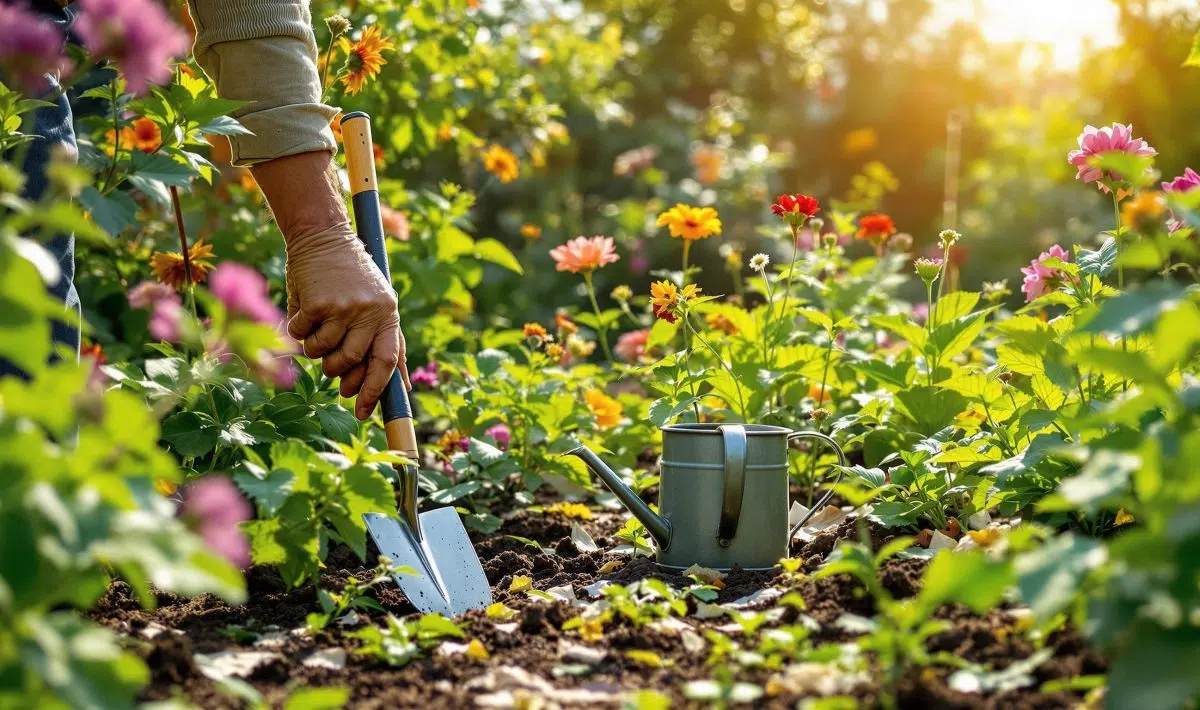
A Gardener’s July Checklist for a Lush Summer Garden
July marks the peak of summer, a time when gardens thrive under warm sunlight but face challenges like drought, pests, and overgrown vegetation. This month requires strategic maintenance to ensure continued growth, abundant harvests, and preparation for the coming seasons. Below is a comprehensive guide to essential tasks, organized to maximize efficiency and enjoyment.
Reviewing garden journals
Start by revisiting notes from previous months to track plant performance, pest activity, and weather patterns. This helps identify trends, such as which crops thrive in your climate or recurring pest issues. For example, if squash vine borers consistently appear in July, plan preemptive measures like crop rotation or row covers.
Preparing for fall plantings
While summer crops dominate, July is ideal for starting seeds indoors for cool-season vegetables like broccoli, kale, and spinach. These plants require 8–12 weeks to mature before frost, making early July the perfect time to sow them in seed trays.
Garden maintenance
Deadheading and pruning
Deadheading annuals like zinnias, cosmos, and calendula encourages continuous blooming by redirecting energy to new flowers. For perennials, prune leggy stems to maintain shape and promote bushy growth. Herbs benefit from regular trimming to prevent bolting and encourage leaf production.
Weed control strategies
Weeds compete with crops for water and nutrients, especially during dry spells. Use tools like hoes or hand-weeders to remove them before they seed. Mulching around plants reduces weed growth and retains soil moisture, a critical step in heat-prone regions.
Watering for resilience
Deep, infrequent watering trains roots to grow deeper, improving drought tolerance. Water containers daily, as they dry out faster than in-ground soil. Avoid overhead sprinklers during peak heat to minimize evaporation; instead, use soaker hoses or drip irrigation.
Harvesting and preservation
Maximizing vegetable yields
July is prime time for harvesting tomatoes, peppers, cucumbers, and corn. Pick tomatoes at peak ripeness to avoid over-ripening on the vine, and harvest cucumbers regularly to encourage continuous production. For herbs like basil and cilantro, frequent harvesting prevents bolting and extends the growing season.
Preserving surplus crops
Freeze or can excess vegetables to enjoy year-round. For example, blanching and freezing green beans or making tomato sauce preserves nutrients and reduces waste. Herbs can be dried in bundles or stored in oil for later use.
Pest and disease management
Identifying common threats
Summer heat accelerates pest lifecycles, with squash vine borers, Japanese beetles, and aphids posing significant risks. Inspect plants daily for signs of damage, such as chewed leaves or sticky honeydew droplets.
Organic control methods
- Row covers: Prevent beetles and borers from reaching plants.
- Neem oil: Apply to combat aphids and fungal diseases.
- Companion planting: Use marigolds to deter nematodes or basil to repel pests.
Preventing fungal diseases
High humidity and poor airflow create ideal conditions for fungal infections. Prune dense foliage to improve circulation and apply mulch to prevent soil-borne pathogens from splashing onto leaves.
Lawn and landscape care
Maintaining healthy turf
Cut grass weekly, leaving clippings to act as a nutrient-rich mulch. Remove weeds with a corkscrew weeder to avoid competition for water. During droughts, prioritize watering deeply but infrequently to mimic natural rainfall patterns.
Trimming hedges and shrubs
Prune flowering shrubs like roses and lavender after blooming to encourage new growth. For hedges, check for nesting birds before trimming to avoid disturbing wildlife.
Houseplant care
Adjusting for summer conditions
Plants in sunny rooms may require watering every 2–3 days, while those in shaded areas need less frequent hydration. Test moisture levels by pressing a finger into the soil or lifting pots to gauge weight.
Fertilizing for growth
Use a balanced fertilizer (e.g., 10-10-10) for houseplants, applying it every second watering. Avoid over-fertilizing, as this can stress plants during heatwaves.
Looking ahead to fall
Planning seasonal transitions
As summer progresses, begin transitioning to cool-season crops. Sow seeds for root vegetables like carrots and beets in late July, ensuring they mature before frost. Rotate crops to avoid depleting soil nutrients and breaking pest cycles.
Composting and soil prep
Add kitchen scraps and garden waste to compost piles to enrich soil for next year. Test pH levels and amend with lime or sulfur as needed to optimize growing conditions.
Conclusion
July gardening demands attention to detail, from proactive pest management to strategic watering. By prioritizing tasks like deadheading, harvesting, and preparing for fall, gardeners can ensure a bountiful summer and a strong foundation for future seasons. Stay vigilant, adapt to weather changes, and enjoy the fruits of your labor as your garden reaches its peak.

Allan is a lifelong gardening enthusiast who still gets excited when the first seedlings pop up in spring. With a deep love for nature and a hands-in-the-soil approach, he shares practical tips, plant discoveries, and clever tricks picked up over years of digging, planting, and observing. Whether you’re a new gardener or have a shed full of tools, Allan writes like a neighbor who’s always happy to swap cuttings and stories over the fence.
You can find more about Allan’s work on Malt or connect with him on LinkedIn.




Super helpful!
What are the best drought-tolerant plants to add to a garden in july? looking for tips on keeping my garden green despite the heat!
🌻Super helpful 🍀
Do you have any tips for natural pest control to keep critters at bay without harming the garden?
Super helpful!
I tried the gardener’s july tips last summer, focusing on deadheading and mulching. i was amazed at how much greener and vibrant my garden looked by august! give it a try!
This checklist is a lifesaver! keeps me on track when everything’s growing wild. can’t wait to see all the colorful blooms thriving as planned! 🌷🌿
Nice checklist for july gardening. it has some useful reminders, but i wonder if there’s more to add about dealing with pests in midsummer? always feel like the bugs have their own party when everything else is in bloom.
Absolutely love this checklist! july is my favorite month for gardening. your tips are super helpful for keeping things thriving. can’t wait to see those blooms! 🌻😊
Absolutely loving these tips! my garden’s thriving with a burst of color this july. thanks for the energy boost and ideas 🌻🌿 can’t wait to see more!
Last july, i took on a little vegetable patch revival project. keeping everything watered in the hot weather was tough, but seeing those tomatoes finally ripen made all the sweat worth it!
Super helpful, thanks!
Loving the tips here! my garden’s looking fab this summer thanks to your advice. july’s definitely the time to get hands-on and see the magic happen! 🌿🌼