
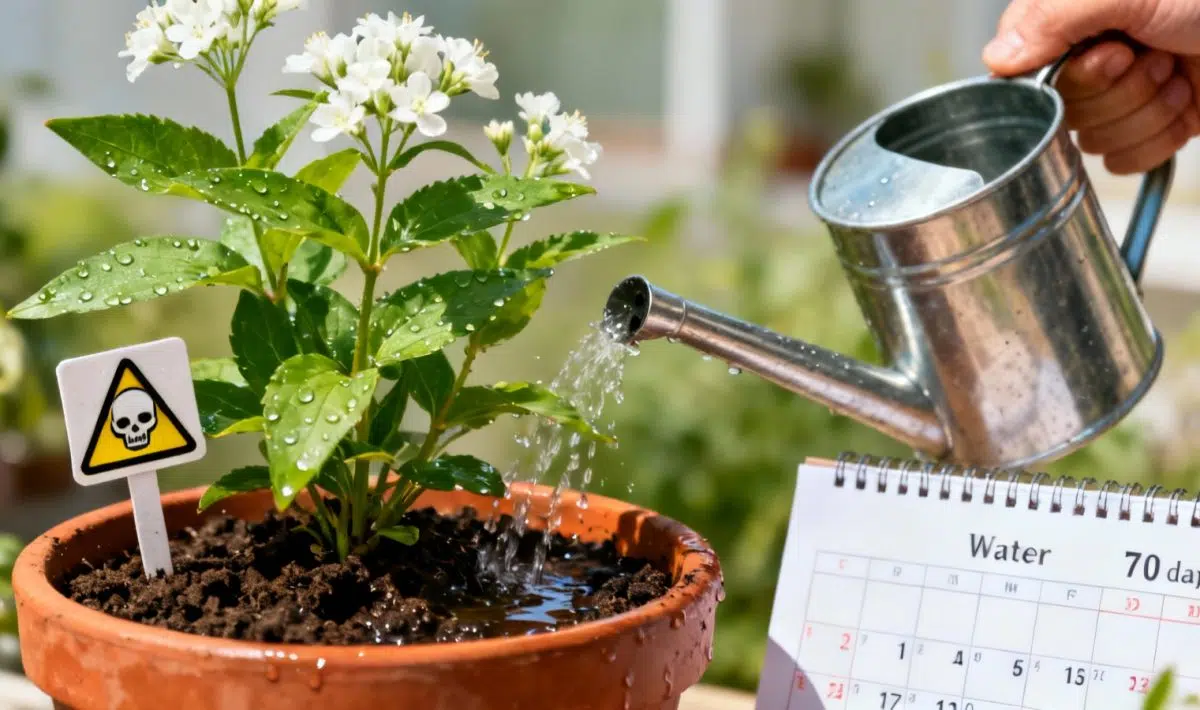
Understanding the nature of white snakeroot plants
White snakeroot, known scientifically as Ageratina altissima, is a wild plant that many people encounter without realizing its dangerous nature. This North American native can grow up to four feet tall and produces small white flowers that might seem harmless. However, this plant is highly toxic to both humans and animals, making proper care and identification crucial for safety.
The plant thrives in shaded woodland areas and has been known to cause severe health problems when consumed. Many species of livestock have suffered from what was historically called “milk sickness” after grazing on this toxic plant. Understanding how to properly care for white snakeroot also means knowing when and why you should avoid cultivating it altogether.
From its natural habitat, white snakeroot has adapted to survive with minimal water, which makes it somewhat drought-tolerant once established. This characteristic means that watering frequency should be carefully considered, especially given the plant’s dangerous properties.
Watering frequency for white snakeroot cultivation
If you’re growing white snakeroot for research or educational purposes, the watering schedule differs significantly from other garden plants. This species prefers soil that dries out between waterings, typically requiring water every 7-10 days during the growing season. The key is to check the top 2-3 inches of soil with your finger – when this layer feels dry, it’s time to water.
During the first few weeks after planting seeds, you’ll need to water more frequently, about every 4-5 days, to encourage germination. However, once the plant establishes its root system, which usually takes about a month, you can reduce watering to the standard schedule. Just like with watering white clover for best results, consistency matters more than frequency.
Because white snakeroot is naturally adapted to woodland conditions with filtered light and natural rainfall patterns, overwatering can actually harm the plant more than underwatering. The root system is designed to seek moisture from deeper soil layers, making it highly susceptible to root rot if the soil stays consistently wet.
Seasonal considerations and safety measures
Spring watering should begin moderately as new growth appears, typically increasing to once or twice weekly depending on rainfall. Summer requires the most attention, especially during hot spells when you might need to water every 5-7 days. Similar to proper loquat watering techniques, monitoring soil moisture becomes critical during peak growing season.
Fall watering should gradually decrease as the plant enters dormancy, with many growers stopping supplemental watering by late October. Winter care involves minimal to no watering, as the plant can survive on natural precipitation and its stored energy reserves.
When handling this plant for any watering or care activities, always wear gloves and long sleeves. The toxic compounds can be absorbed through skin contact, and even small amounts have been known to cause nausea and other serious symptoms in sensitive individuals. This is why many gardening experts recommend avoiding white snakeroot entirely in home gardens.
Safe alternatives and proper plant identification
Before considering white snakeroot cultivation, it’s worth exploring safer alternatives that offer similar aesthetic appeal. Plants such as native asters or joe-pye weed provide comparable white flowers without the associated health risks. These alternatives also have more forgiving watering requirements, much like tips for watering rosemary plants where consistency leads to better results.
If you encounter white snakeroot in wild areas, proper identification is crucial for safety. The plant features heart-shaped leaves with serrated edges, opposite branching patterns, and clusters of small white flowers that bloom from late summer into fall. The leaves typically measure 3-5 inches long and have a distinctive pointed tip that distinguishes them from harmless look-alikes.
Many products made from misidentified plants have caused severe health problems throughout history. Even experienced botanists sometimes struggle with identification, which is why consulting with local extension services or experienced horticulturists is always recommended when dealing with potentially toxic species.
Water quality and application methods
When watering white snakeroot, the quality of water used can significantly impact plant health and safety considerations. Rainwater is generally preferred because it’s naturally soft and free from chemicals that might interact with the plant’s toxic compounds. However, municipal water that’s been allowed to sit for 24 hours to allow chlorine to dissipate works well too.
The application method should focus on watering at the base of the plant rather than overhead watering. This approach reduces the risk of splashing contaminated soil and minimizes contact with the toxic foliage. Deep, infrequent watering encourages proper root development, similar to techniques used for optimal watering schedule for arborvitae where root health is paramount.
Temperature matters when watering any plant, but especially with white snakeroot. Early morning watering allows the plant to absorb moisture before the heat of the day, reducing stress and minimizing evaporation. This timing also helps prevent fungal issues that can complicate the already challenging aspects of growing this species safely.
Monitoring plant health and warning signs
Recognizing signs of both overwatering and underwatering in white snakeroot requires careful observation. Overwatered plants typically show yellowing leaves, soft stems, and a musty odor from the soil. These symptoms can be particularly concerning with toxic plants because stressed plants may concentrate their harmful compounds, making them even more dangerous.
Underwatered white snakeroot exhibits wilting leaves, dry soil pulling away from container edges, and stunted growth. However, this plant’s natural drought tolerance means it can recover from mild water stress better than most garden varieties. Just as with caring for coriander through watering, paying attention to subtle changes prevents major problems.
Regular monitoring also includes checking for pest issues that might compromise the plant’s containment. Damaged plants can release more of their toxic compounds into the surrounding area, potentially affecting nearby desirable plants or posing greater risks to humans and animals who might come into contact with the area.
Safe disposal and alternatives for gardeners
Given the serious health risks associated with white snakeroot, many experts recommend against home cultivation entirely. If you’re interested in native plants with similar growing conditions, consider alternatives like wild bergamot or native asters that provide ecological benefits without the toxicity concerns.
For those who must remove existing white snakeroot from their property, proper disposal is essential. Never compost this plant, as the toxic compounds can persist and contaminate the resulting compost. Instead, bag the entire plant and dispose of it through municipal waste systems. Much like successful watering of chives requires attention to detail, safe removal demands careful planning and execution.
Educational institutions that grow white snakeroot for research purposes typically follow strict protocols including specialized containment, controlled access, and professional supervision. These settings have the resources and expertise to manage the risks that this plant presents, which most home gardeners simply cannot replicate safely.

Allan is a lifelong gardening enthusiast who still gets excited when the first seedlings pop up in spring. With a deep love for nature and a hands-in-the-soil approach, he shares practical tips, plant discoveries, and clever tricks picked up over years of digging, planting, and observing. Whether you’re a new gardener or have a shed full of tools, Allan writes like a neighbor who’s always happy to swap cuttings and stories over the fence.
You can find more about Allan’s work on Malt or connect with him on LinkedIn.


