Brazilian jasmine – Mandevilla sanderi: care, characteristics, culture, propagation
Today I’m excited to share everything you need to know about the Brazilian jasmine – Mandevilla sanderi, a stunning tropical climber that’s captured the hearts of gardeners worldwide. This gorgeous plant, also known as dipladenia, brings vibrant trumpet-shaped flowers and glossy green foliage to any garden or indoor space. Whether you’re a seasoned gardener or just starting out, this mandevilla will reward you with months of spectacular blooms when given proper care.
Understanding the Brazilian jasmine characteristics
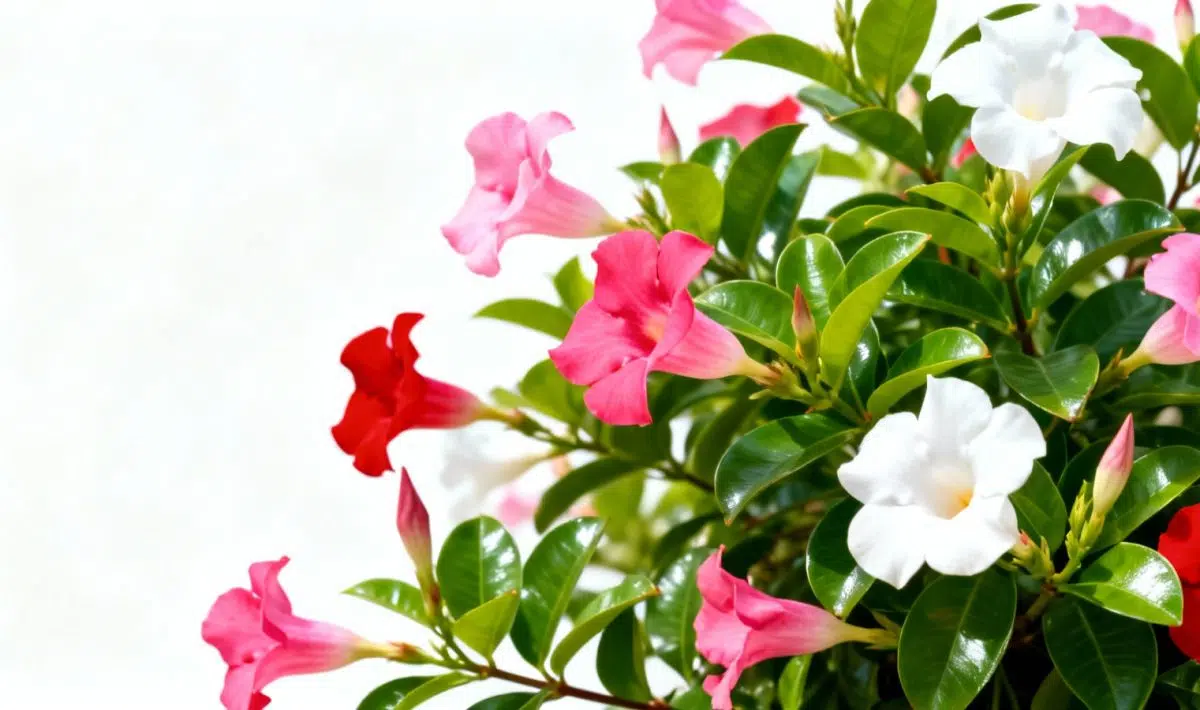
The mandevilla sanderi originates from South America and belongs to the family of tropical climbing plants. Its most striking feature is undoubtedly the beautiful trumpet-shaped flowers that come in shades of pink, red, white, and yellow. The plant produces these stunning fleurs continuously throughout the growing season, making it a true showstopper in any garden setting.
The glossy, dark green feuillage provides an excellent backdrop for the vibrant blooms. This jasmin can grow as either a climbing vine or a bushy shrub, depending on how you train it. In its natural habitat, the plant can reach impressive heights, but in cultivation, it typically grows between 3 to 10 feet tall.
What sets this plante apart from other flowering vines is its remarkable ability to bloom repeatedly. The floraison period extends from spring through fall, giving you months of continuous color. Each individual flower lasts several days, and new buds constantly form to replace spent blooms.
Optimal growing conditions for mandevilla culture
Creating the right environment is crucial for successful mandevilla culture. This tropical beauty thrives in bright, sunny locations with at least 6-8 hours of direct sunlight daily. While it can tolerate some partial shade, you’ll notice significantly more flowers with increased sun exposure.
Temperature plays a vital role in the plant’s health and flowering performance. The ideal range falls between 70-90°F (21-32°C) during the growing season. When temperatures drop below 50°F (10°C), it’s time to bring potted plants indoors for winter protection. This is particularly important in temperate climates where frost can quickly damage or kill the plant.
Humidity requirements reflect the plant’s tropical origins. Aim for humidity levels around 70% for optimal growth. In dry indoor environments, you can increase humidity by placing the pot on a tray filled with pebbles and water, or by using a humidifier nearby.
The choice of growing medium significantly impacts plant health. Use well-draining potting mix that retains some moisture but doesn’t become waterlogged. A combination of quality terre, perlite, and organic matter creates an ideal substrate that promotes healthy root development.
Container cultivation tips
Growing mandevilla in a pot offers flexibility and control over growing conditions. Choose a container with drainage holes to prevent water accumulation. A pot that’s 2-3 inches larger than the root ball provides adequate space for growth without being overwhelming.
The container port style affects the plant’s growth habit. For a climbing habit, place a trellis or support structure in the pot. For a bushier appearance, regularly pinch growing tips to encourage branching. Much like care tips for painted-leaf begonia, consistent attention to container conditions makes all the difference.
Watering and feeding requirements
Proper watering technique is essential for healthy mandevilla plants. Water thoroughly when the top inch of soil feels dry to the touch. During the active growing season (printemps through summer), this typically means watering 2-3 times per week, depending on temperature and humidity conditions.
Avoid both overwatering and allowing the plant to completely dry out. Consistency is key – dramatic fluctuations in soil moisture can stress the plant and reduce flowering. During winter months, reduce watering frequency as growth slows down.
Feeding your mandevilla regularly promotes vigorous growth and abundant flowering. Use a balanced, water-soluble fertilizer every 2-3 weeks during the growing season. Look for formulations with equal ratios of nitrogen, phosphorus, and potassium, such as 10-10-10 or 20-20-20.
During the blooming period, you can boost flower production by switching to a fertilizer higher in phosphorus. This encourages bud formation and enhances flower quality. Always follow package directions and avoid over-fertilizing, which can lead to excessive foliage growth at the expense of flowers.
Propagation techniques
Expanding your mandevilla collection through propagation is both rewarding and economical. The most reliable method is bouturage, which produces plants identical to the parent. Take 4-6 inch cuttings from healthy, non-flowering shoots during late spring or early summer.
Remove the lower leaves from your cutting, leaving only the top 2-3 pairs of feuilles. Dip the cut end in rooting hormone to encourage faster root development. Plant the cutting in a well-draining potting mix, keeping the soil consistently moist but not waterlogged.
Create a mini greenhouse effect by covering the cutting with a clear plastic bag or placing it under a humidity dome. Maintain temperatures around 75-80°F (24-27°C) and provide bright, indirect light. Roots typically develop within 3-4 weeks, similar to techniques used for growing pontic rhododendron successfully.
Once roots are well-established, gradually acclimate the new plant to normal growing conditions. This process, called hardening off, helps prevent shock when transitioning from the protected environment to regular care.
Seed starting method
While less common, growing mandevilla from graines is possible, though results may vary from the parent plant. Collect seeds from mature seed pods in automne, when they naturally split open. Soak seeds in warm water for 24 hours before planting to improve germination rates.
Plant seeds in sterile seed-starting mix, covering them lightly with soil. Maintain consistent moisture and temperatures around 75-80°F (24-27°C). Germination typically occurs within 2-4 weeks, though it can take longer. Just as how to grow apricot trees requires patience during establishment, seed-grown mandevillas need time to develop into flowering plants.
Seasonal care and maintenance
Understanding seasonal care requirements helps ensure year-round plant health. During the active growing season, maintain regular watering, feeding, and deadheading schedules. Remove spent flowers promptly to encourage continued blooming and prevent energy waste on seed production.
As temperatures begin dropping in automne, gradually reduce watering and stop fertilizing. This helps the plant prepare for its dormant period. In colder climates, move container plants indoors before the first frost threatens.
Winter care varies depending on your climate zone. In tropical areas, the plant may continue growing year-round with reduced activity. In temperate regions, indoor plants often go dormant, dropping some leaves and stopping flower production. This is normal behavior – don’t worry if your plant looks less vibrant during hiver months.
Pruning can be done in late winter or early spring before new growth begins. Remove any dead, damaged, or crossing branches to improve air circulation and plant structure. Light pruning also encourages bushier growth and more flowering sites.
Common challenges and solutions
Even with proper care, mandevilla plants may encounter occasional issues. Spider mites are common pests, especially in dry indoor conditions. Increase humidity around the plant and rinse foliage regularly to discourage these tiny pests. For severe infestations, insecticidal soap provides effective control.
Aphids may also target new growth, particularly during spring. Regular inspection helps catch problems early when they’re easier to manage. A strong spray of water often dislodges small populations, while beneficial insects like ladybugs provide natural control.
Yellowing leaves usually indicate watering issues – either too much or too little moisture. Adjust your watering schedule based on soil conditions and environmental factors. Poor drainage can lead to root rot, so ensure containers have adequate drainage holes and avoid standing water.
If flowering becomes sparse, evaluate light conditions and fertilizing practices. Insufficient sunlight is the most common cause of poor blooming, while excessive nitrogen can promote leafy growth at the expense of flowers. Much like maintaining information on oxeye daisy cultivation, consistent care practices prevent most problems before they start.
Maximizing your plant’s potential
With proper attention to its basic needs, your Brazilian jasmine will become a stunning focal point in your garden or home. The key is consistency in care routines and understanding the plant’s natural rhythms. Regular observation helps you catch any issues early and adjust care practices as needed.
Remember that this plante grimpante rewards patience and consistent care with months of spectacular blooms. Whether grown in containers or planted in the garden (where climate permits), the mandevilla sanderi brings tropical beauty and continuous color to any setting. The investment in proper care pays dividends in the form of abundant, vibrant flowers that will enhance your outdoor space throughout the growing season.
Allan is a lifelong gardening enthusiast who still gets excited when the first seedlings pop up in spring. With a deep love for nature and a hands-in-the-soil approach, he shares practical tips, plant discoveries, and clever tricks picked up over years of digging, planting, and observing. Whether you’re a new gardener or have a shed full of tools, Allan writes like a neighbor who’s always happy to swap cuttings and stories over the fence.
You can find more about Allan’s work on Malt or connect with him on LinkedIn.