
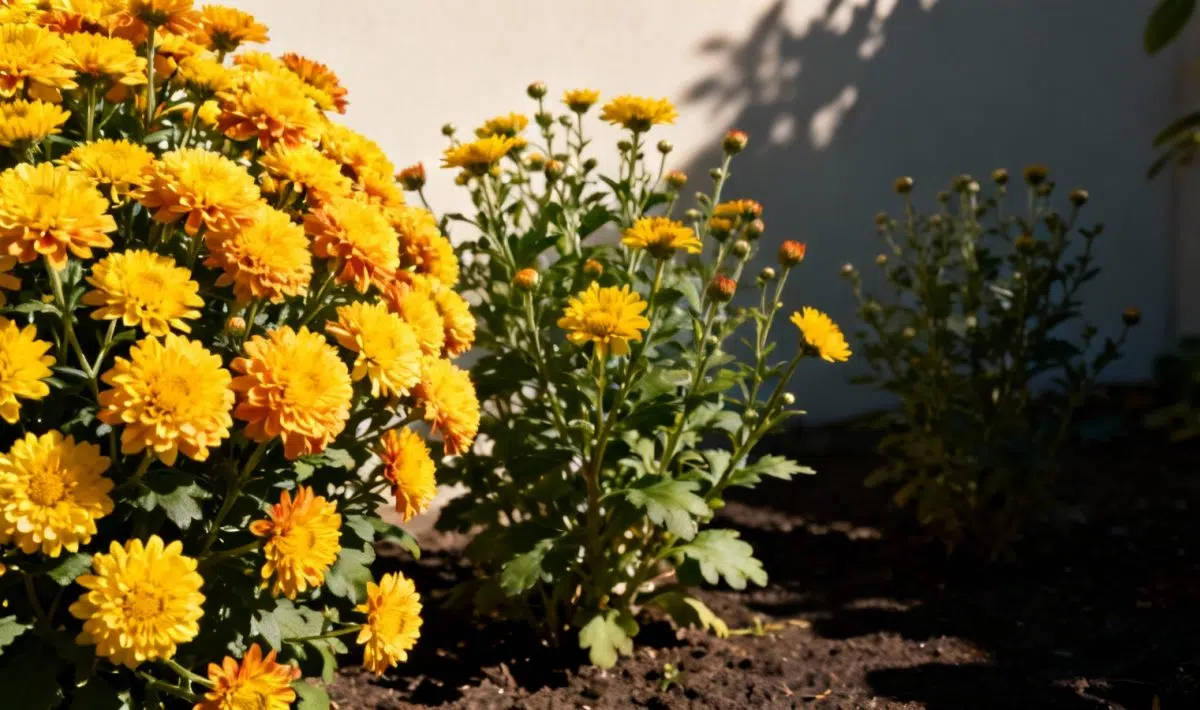
Understanding garden mum sunlight requirements
Garden mums, scientifically known as Chrysanthemum species, are among the most beloved autumn flowers that can transform any garden with their vibrant colors and cheerful appearance. When it comes to how much sunlight does garden mum need, these plants thrive best with at least 6 to 8 hours of direct sunlight daily. This full sun exposure is essential for developing strong stems, abundant blooms, and that compact growth habit that makes chrysanthemum plants so attractive.
The relationship between sunlight and chrysanthemum health is quite straightforward. These plants are naturally adapted to bright conditions, and adequate light exposure directly impacts their ability to produce the energy needed for robust flowering. Without sufficient sun, garden mums tend to become leggy and produce fewer flowers, which can be disappointing for gardeners expecting that spectacular autumn display.
Optimal sun exposure for garden chrysanthemums
Full sun conditions provide the best results for chrysanthemum cultivation. These plants perform exceptionally well when positioned in locations that receive morning sun and continue to get bright light throughout most of the day. The intense summer sunlight helps strengthen the plant structure and encourages the development of flower buds that will open in fall.
However, it’s worth noting that in extremely hot climates, some afternoon shade can actually be beneficial. This protection prevents the delicate flower petals from burning and helps maintain soil moisture around the plant roots. Just like understanding sunlight requirements for sweetgum trees, finding the right balance is key to successful garden management.
Morning vs afternoon sun preferences
Morning sunlight is particularly valuable for garden mums because it helps dry dew from the leaves quickly, reducing the risk of fungal diseases. The gentle morning rays are less likely to cause stress compared to the intense afternoon heat. If you must choose between morning or afternoon sun due to space constraints, morning exposure typically yields better results for overall plant health.
Afternoon sun can be more challenging during peak summer months, especially in regions with temperatures exceeding 85°F. In such conditions, providing some shade during the hottest part of the day can prevent wilting and flower damage while still maintaining adequate light levels for healthy growth.
Consequences of insufficient sunlight
When garden mums don’t receive enough sunlight, several problems can develop that significantly impact their appearance and flowering potential. Plants grown in shade tend to stretch toward available light sources, creating weak, spindly growth that’s prone to breaking and looks unattractive in garden displays.
Reduced flowering is perhaps the most noticeable consequence of poor light conditions. Chrysanthemum plants may produce only scattered blooms instead of the dense, colorful masses gardeners expect. The flowers that do develop often have weaker colors and shorter lifespans, diminishing the overall garden impact. Much like optimal sunlight for sweet alyssum, proper light exposure is crucial for achieving the desired ornamental effect.
Signs your garden mums need more light
Several visual cues indicate that your chrysanthemum plants aren’t receiving adequate sunlight. Long, thin stems with large gaps between leaves suggest the plant is stretching toward light. Pale green foliage instead of rich, dark green color also signals insufficient sun exposure.
Additionally, delayed flowering or complete lack of flower bud formation by late summer indicates serious light deficiency. Healthy garden mums should begin showing flower buds by August in most climates, preparing for their autumn show.
Best care practices for sun-loving garden mums
Once you’ve established proper sunlight exposure, caring for garden mums becomes much easier. These plants appreciate consistent moisture but require well-draining soil to prevent root problems. Water deeply but less frequently to encourage strong root development.
Fertilization plays an important role in supporting vigorous growth under full sun conditions. A balanced fertilizer applied monthly during the growing season provides essential nutrients for both foliage and flower development. Avoid high-nitrogen fertilizers late in the season, as they can delay flowering.
Regular monitoring of plant health becomes especially important when chrysanthemums are grown in full sun. Watch for signs of heat stress during extremely hot weather, and be prepared to provide temporary shade if necessary. Understanding these care requirements is similar to learning about sunlight needs of sweet mock-orange for comprehensive garden planning.
Seasonal care adjustments
Spring preparation involves selecting sunny planting locations and preparing soil with organic matter to support summer growth. During the intense summer months, maintain consistent watering schedules and watch for pest issues that can develop in warm conditions.
Fall care focuses on enjoying the flowering display while preparing plants for winter dormancy. After flowering ends, cut back stems and apply mulch for winter protection in colder climates.
Choosing the right varieties for your sunlight conditions
Different chrysanthemum varieties have slightly varying light preferences, though most still require full sun for optimal performance. Some cultivars tolerate partial shade better than others, making them suitable for gardens with limited sunny space.
When selecting plants for your garden, consider both mature size and light requirements. Larger varieties typically need more intense sun to support their greater biomass and flower production. Smaller, compact types may tolerate slight shade variations better while still producing attractive displays.
Garden centers often provide detailed information about specific variety requirements, helping you match plants to your available growing conditions. This careful selection process ensures better success rates and more satisfying results in your garden design. Just as gardeners research Guernsey fleabane sunlight requirements, taking time to understand your chosen plants pays dividends.
Container growing considerations
Growing garden mums in containers offers flexibility in managing light exposure throughout the season. Pots can be moved to capture optimal morning sun while avoiding harsh afternoon heat when necessary.
Container-grown plants may need more frequent watering due to faster soil drying in full sun conditions. Choose larger pots that provide adequate root space and better moisture retention for healthier plants.
Maximizing autumn flower displays
The ultimate goal of proper sunlight management is achieving spectacular autumn blooms that make garden mums so popular. Well-lit plants develop more flower buds, creating those dense, colorful displays that define successful chrysanthemum growing.
Timing is crucial for maximizing flower impact. Plants that receive adequate sunlight throughout the growing season typically begin flowering earlier and continue blooming longer into the fall season. This extended flowering period provides better value and longer-lasting garden color.
Proper sunlight exposure also improves flower quality, with blooms showing richer colors, better form, and increased resistance to weather damage. These characteristics make the difference between ordinary garden displays and truly impressive autumn showcases that neighbors admire.

Allan is a lifelong gardening enthusiast who still gets excited when the first seedlings pop up in spring. With a deep love for nature and a hands-in-the-soil approach, he shares practical tips, plant discoveries, and clever tricks picked up over years of digging, planting, and observing. Whether you’re a new gardener or have a shed full of tools, Allan writes like a neighbor who’s always happy to swap cuttings and stories over the fence.
You can find more about Allan’s work on Malt or connect with him on LinkedIn.


