
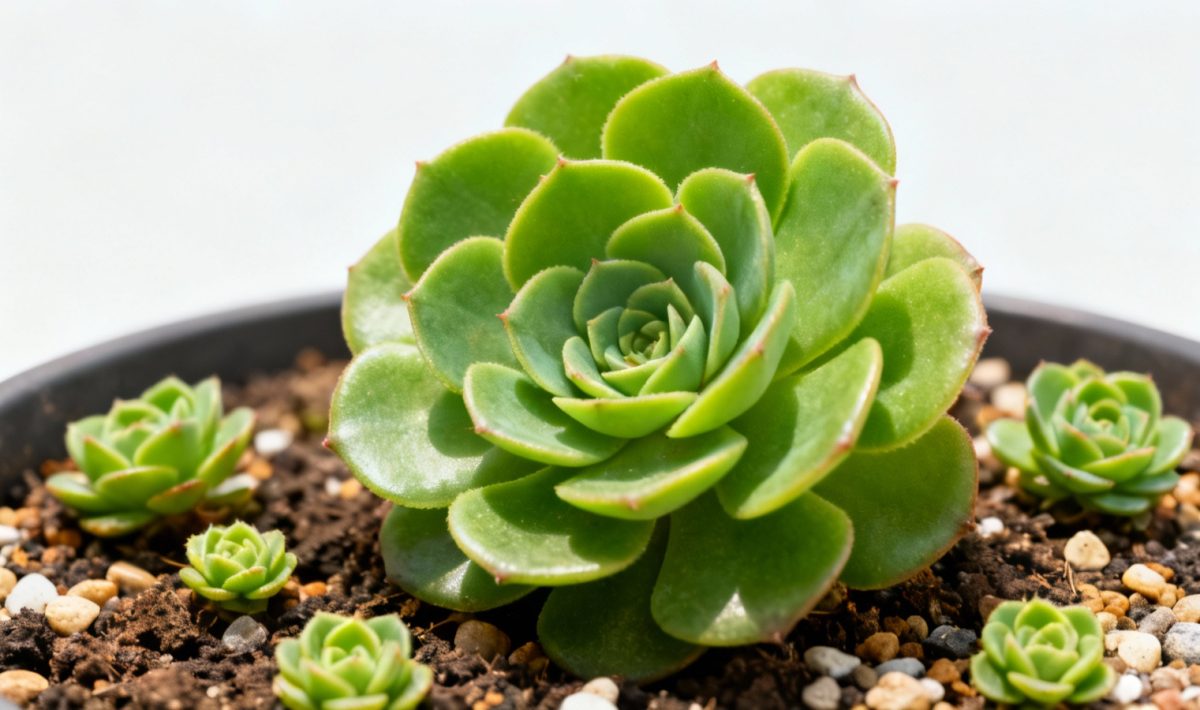
Today I’m excited to share everything you need to know about caring for the stunning Tree aeonium – Aeonium arboreum. This remarkable succulent plant deserves a special place in your garden or home collection. With its distinctive rosette formation and tree-like growth pattern, this plant brings architectural beauty to any space while remaining surprisingly easy to maintain.
Understanding your Tree aeonium characteristics
The Aeonium arboreum originates from the Canary Islands, where it naturally thrives in rocky, sun-drenched environments. This succulent develops into a branching shrub that can reach impressive heights of 1 to 2 meters. Its most striking feature is the way feuilles arrange themselves in perfect rosettes at the tips of thick, woody stems.
Each rosette can grow to 20-30 centimètres in diameter, creating a stunning display of green, fleshy leaves. The most popular variety, Zwartkop, features deep purple-black feuillage that creates dramatic contrast in any garden setting. However, it’s worth noting that each rosette dies after producing its spectacular yellow fleurs, making propagation essential for maintaining your collection.
The plante exhibits remarkable adaptability to different growing conditions. During its active croissance period, typically in spring and fall, you’ll notice rapid development of new rosettes and increased hauteur. Just as you might learn about sugarberry tree care for other garden specimens, understanding seasonal growth patterns helps optimize your aeonium care routine.
Essential cultivation conditions for healthy growth
Success with Tree aeonium starts with choosing the right emplacement. These plantes absolutely love bright, indirect sunlight and can tolerate some direct morning sun. In regions with intense summer heat, providing afternoon shade prevents leaf scorching and maintains vibrant feuillage colors.
Soil drainage is absolutely critical for preventing pourriture issues. Create the perfect growing medium by mixing regular potting terre with equal parts sable and perlite. This combination ensures excess eau drains quickly while providing adequate nutrition for healthy racines development.
Indoor growers should place their pot near a south-facing window during winter months. The periode from November through February requires special attention, as reduced lumière can cause stretching and pale feuillage. Consider supplementing with grow lights if natural light is insufficient.
Mastering the watering routine
Proper arrosage technique makes the difference between thriving and struggling aeoniums. During active croissance periods in printemps and fall, water thoroughly when the top inch of sol feels dry. Allow water to flow freely from drainage holes, then wait until the terre dries before the next arrosage session.
Winter care requires dramatic reduction in watering frequency. Your aeonium enters dormancy and needs significantly less eau during cold months. Arroser only when feuilles begin showing slight wrinkiling, typically every 3-4 weeks indoors. Overwatering during hiver period leads to root rot and plant death.
Monitor your plante closely for signs of stress. Yellowing or dropping feuilles often indicate watering issues, while soft, mushy racines suggest serious drainage problems requiring immediate repotting in fresh, well-draining sol mixture.
Tree aeonium propagation and maintenance
Propagation through cuttings provides the easiest method for expanding your aeonium collection. Cut healthy rosettes with 2-3 inches of tige attached, then allow cut surfaces to callus for several days before plantation. This prevents bacterial infections that commonly affect fresh cuts.
Similar to techniques you might discover evergreen azalea care tips, proper timing enhances success rates. Take cuttings during active croissance periods when plantes have abundant energy for root development. Place cuttings in light, sandy sol and maintain consistent moisture without waterlogging.
Regular maintenance keeps your Tree aeonium looking spectacular year-round. Remove spent fleurs promptly to encourage continued rosette development. Gently clean dust from feuilles using a soft brush or cloth, as clean surfaces improve photosynthesis efficiency.
Addressing common problems and diseases
Prevention remains the best strategy against maladies and parasites. Ensure adequate air circulation around your plantes, especially in humid conditions. Crowded growing conditions encourage fungal problems and pest infestations that weaken overall plant santé.
Watch for aphids and mealybugs, which commonly attack succulent feuillage. Treat minor infestations with rubbing alcohol applied directly to affected areas. Severe parasites problems may require systemic insecticides, but proper cultural practices usually prevent serious issues.
Root rot appears as the most serious threat to aeonium survival. Dark, mushy racines indicate advanced infection requiring immediate action. Remove affected roots, repot in fresh sol, and adjust watering practices to prevent recurrence.
Seasonal care adjustments
Spring marks the beginning of active croissance, making it ideal for repotting, propagation, and fertilization activities. Just as gardeners might explore potato propagation methods for vegetable cultivation, timing these activities with natural growth cycles ensures better results.
Summer care focuses on protecting plantes from excessive heat while maintaining adequate moisture. In extremely hot climates, consider moving containers to locations with morning sun and afternoon shade. Monitor soil moisture more frequently as increased temperatures accelerate water evaporation.
Fall preparation involves gradually reducing watering frequency and checking for any maintenance needs before winter dormancy. This période also provides excellent opportunities for taking cuttings before cold weather arrives.
Indoor winter care strategies
Successfully overwintering Tree aeonium indoors requires attention to several factors. Maintain temperatures between 50-65°F for optimal dormancy conditions. Warmer indoor temperatures can disrupt natural rest periods and weaken plantes over time.
Humidity management becomes crucial in heated indoor environments. Place pots on pebble trays filled with water to increase local humidity without affecting soil moisture levels. This technique prevents excessive feuillage drying while maintaining proper root conditions.
Inspect plantes regularly for signs of etiolation, which appears as stretched, pale growth. Inadequate lumière causes this condition, requiring repositioning near brighter windows or supplemental lighting installation.
Advanced growing techniques
Experienced growers often experiment with different cultivation approaches to maximize their aeonium displays. Container gardening allows precise control over soil conditions and makes moving plantes easier during weather extremes. Choose pots with excellent drainage and sufficient space for root development.
Companion planting works wonderfully with other succulent varieties. Consider combining your Tree aeonium with complementary textures and colors. The principles mirror those used when you understand common borage care for herb gardens, where plant compatibility enhances overall garden success.
Training young plantes into specific shapes requires patience but creates stunning architectural specimens. Selective pruning and tige support can develop multi-branched specimens perfect for focal points in succulent gardens.
Encouraging spectacular blooms
The floraison period represents the climax of aeonium development, though it signals the end of individual rosette life cycles. Mature plantes typically flower after several years of growth, producing impressive spikes of bright yellow fleurs that attract beneficial pollinators.
Creating conditions that favoriser blooming requires patience and proper care throughout the growing season. Consistent watering, adequate nutrition, and appropriate light levels all contribute to successful flower development. While individual rosettes die after flowering, the spectacular display justifies the wait.
Much like techniques used to find tips for clematis cultivation for flowering vines, supporting your aeonium through its complete life cycle rewards you with unforgettable garden moments.
Building your aeonium collection
Starting with Tree aeonium opens doors to exploring the fascinating world of succulent gardening. These remarkable plantes demonstrate how proper care techniques translate across different species and varieties. Whether growing indoors or in the jardin, the lessons learned with aeonium cultivation benefit your entire plant collection.
Remember that successful gardening comes from understanding each plante’s natural habitat and growth patterns. Your Tree aeonium thrives when you provide conditions that mimic its Canary Island origins: well-draining sol, appropriate lumière levels, and careful attention to watering needs throughout different seasons.

Allan is a lifelong gardening enthusiast who still gets excited when the first seedlings pop up in spring. With a deep love for nature and a hands-in-the-soil approach, he shares practical tips, plant discoveries, and clever tricks picked up over years of digging, planting, and observing. Whether you’re a new gardener or have a shed full of tools, Allan writes like a neighbor who’s always happy to swap cuttings and stories over the fence.
You can find more about Allan’s work on Malt or connect with him on LinkedIn.


