A Gardener’s Trick To Keep Ants Out Using A Natural Ingredient
Ants can quickly become a nuisance in gardens, damaging plants and disrupting ecosystems. However, harsh chemicals are unnecessary for managing these pests. Gardeners are increasingly turning to natural ingredients to repel ants effectively. This article explores proven methods using everyday items to protect plants while maintaining environmental balance.
Turmeric, commonly found in kitchens, is a potent ant repellent. Its active compound, curcumin, disrupts ants’ scent trails, causing confusion and breaking their coordination. To use:
Sprinkle turmeric powder directly around plant bases or along ant trails.
For a spray, mix 1–2 teaspoons of turmeric with warm water and apply to soil and stems. Tip: For severe infestations, apply daily for 3–4 days to ensure long-term results.
Neem Oil: A Multi-Purpose Solution
Neem oil is a versatile tool for gardeners, targeting both ants and aphids they often farm. Its insecticidal properties work by:
Repelling ants through its strong odor.
Killing larvae and disrupting life cycles. DIY Mix: Combine 1 teaspoon of neem oil with mild soap and 1 liter of water. Spray on soil, stems, and under leaves to maximize coverage.
Practical Applications For Gardeners
Cinnamon And Coffee Grounds: Dual-Purpose Solutions
Cinnamon and coffee grounds offer dual benefits—repelling ants while enriching soil.
Cinnamon: Sprinkle powder around plant bases to deter ants. Its antifungal properties also protect against root diseases.
Coffee Grounds: Spread used grounds on soil surfaces. They release nitrogen, improving soil health while masking ant trails.
Vinegar Spray: A Quick Fix For Infestations
Vinegar’s acidic properties make it an effective immediate solution.
Mix: Combine equal parts water and white vinegar.
Application: Spray around affected areas, avoiding delicate leaves. Add citrus peels for enhanced potency. Note: Vinegar removes pheromone trails, preventing new ants from following the same path.
Advanced Strategies For Persistent Infestations
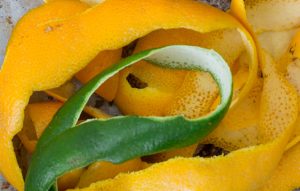
Citrus Peels: Disrupting Pheromone Trails
Citrus peels contain oils that confuse ant communication. To use:
Dry and crush lemon, orange, or lime peels into a fine powder.
Sprinkle the powder around plants to disrupt scent trails. Bonus: Citrus oils also deter other pests like aphids and mites.
Combining Methods For Maximum Effectiveness
For stubborn ant colonies, combining methods amplifies results:
Layer defenses: Apply turmeric powder in the morning, neem oil spray at midday, and citrus peels in the evening.
Seal entry points: Use cinnamon to block gaps in pots or soil surfaces.
Monitor trails: Track ant activity to identify high-traffic areas for targeted treatment.
Why Natural Solutions Matter
Environmental Impact
Chemical pesticides harm beneficial insects and contaminate soil. Natural repellents like turmeric and neem oil:
Preserve biodiversity by avoiding broad-spectrum toxins.
Support soil health through nutrient-rich byproducts (e.g., coffee grounds).
Cost-Effective And Accessible
Most ingredients are inexpensive and readily available:
Ingredient
Cost
Availability
Turmeric
$1–$2
Grocery stores
Neem oil
$5–$10
Garden centers
Citrus peels
Free
Kitchen waste
Common Mistakes To Avoid
Overlooking Ant Behavior
Ants follow established trails. Simply killing visible ants won’t solve the problem. Focus on disrupting trails with turmeric or vinegar.
Improper Application
Neem oil: Avoid applying in direct sunlight to prevent leaf burn.
Vinegar: Dilute properly to prevent soil acidity.
Natural ant repellents offer safe, sustainable alternatives to chemicals. By leveraging turmeric, neem oil, cinnamon, vinegar, and citrus peels, gardeners can protect plants while fostering a healthy ecosystem. Consistency and strategic combinations are key to long-term success.
Allan is a lifelong gardening enthusiast who still gets excited when the first seedlings pop up in spring. With a deep love for nature and a hands-in-the-soil approach, he shares practical tips, plant discoveries, and clever tricks picked up over years of digging, planting, and observing. Whether you’re a new gardener or have a shed full of tools, Allan writes like a neighbor who’s always happy to swap cuttings and stories over the fence.
You can find more about Allan’s work on Malt or connect with him on LinkedIn.
20 Replies to “A Gardener’s Trick To Keep Ants Out Using A Natural Ingredient”
Have you tried using coffee grounds for ants too? wondering how it compares to turmeric.
Interesting article! does using turmeric affect all kinds of ants, or is it more effective on certain species? i’m curious because i’ve got a few different types in my garden.
Sounds handy! thanks!
I tried using cinnamon to keep ants out of my garden, and it worked pretty well. just sprinkled around problem areas, and they seemed to avoid it. not only natural but the garden smells great too! definitely recommend giving it a shot.
I love this ant trick! so simple yet so effective. nature’s way of pest control is always the best. can’t wait to try it in my garden!
What’s the best way to apply turmeric in the garden to keep ants away without harming my plants?
🌿Nice, i’ll try reserve duayaa seit
Used cinnamon in my garden, and it worked wonders. ants steered clear, and my veggies thrived! happy i found a natural method that really works.
🐜 Be gone 😄👍
Love this tip! nature’s solutions are always the best, right? can’t wait to try it in my garden. my plants (and back) will thank you! 🌱🐜
Wow, this is super helpful! i never realized you could use such natural methods to keep ants away from the garden. can’t wait to try it out this weekend! 😊🏡
🌿 That’s helpful pale door
Great trick 😊🌿
I once scattered cinnamon around my patio plants to deter ants. it worked like magic! not only kept ants away, but it also made the whole area smell amazing!
🍃 So clever!
Interesting tip, but i wonder how effective it really is. ants can be quite persistent little creatures! worth trying though since it’s a natural method.
🌱 Love itsubmitted55imya boiler titi
Wow, using cinnamon to keep ants away?! that’s such a smart hack! can’t wait to try it in my garden. thanks for sharing this cool tip! 🌿🚫🐜
Wow, what a clever tip! love finding natural ways to keep ants away. definitely going to try this in my garden. thanks for sharing the secret ingredient!
Love this natural tip to keep ants away! anything eco-friendly is a win in my book. can’t wait to try it in my garden! 🐜💚










Have you tried using coffee grounds for ants too? wondering how it compares to turmeric.
Interesting article! does using turmeric affect all kinds of ants, or is it more effective on certain species? i’m curious because i’ve got a few different types in my garden.
Sounds handy! thanks!
I tried using cinnamon to keep ants out of my garden, and it worked pretty well. just sprinkled around problem areas, and they seemed to avoid it. not only natural but the garden smells great too! definitely recommend giving it a shot.
I love this ant trick! so simple yet so effective. nature’s way of pest control is always the best. can’t wait to try it in my garden!
What’s the best way to apply turmeric in the garden to keep ants away without harming my plants?
🌿Nice, i’ll try reserve duayaa seit
Used cinnamon in my garden, and it worked wonders. ants steered clear, and my veggies thrived! happy i found a natural method that really works.
🐜 Be gone 😄👍
Love this tip! nature’s solutions are always the best, right? can’t wait to try it in my garden. my plants (and back) will thank you! 🌱🐜
Wow, this is super helpful! i never realized you could use such natural methods to keep ants away from the garden. can’t wait to try it out this weekend! 😊🏡
🌿 That’s helpful pale door
Great trick 😊🌿
I once scattered cinnamon around my patio plants to deter ants. it worked like magic! not only kept ants away, but it also made the whole area smell amazing!
🍃 So clever!
Interesting tip, but i wonder how effective it really is. ants can be quite persistent little creatures! worth trying though since it’s a natural method.
🌱 Love itsubmitted55imya boiler titi
Wow, using cinnamon to keep ants away?! that’s such a smart hack! can’t wait to try it in my garden. thanks for sharing this cool tip! 🌿🚫🐜
Wow, what a clever tip! love finding natural ways to keep ants away. definitely going to try this in my garden. thanks for sharing the secret ingredient!
Love this natural tip to keep ants away! anything eco-friendly is a win in my book. can’t wait to try it in my garden! 🐜💚