
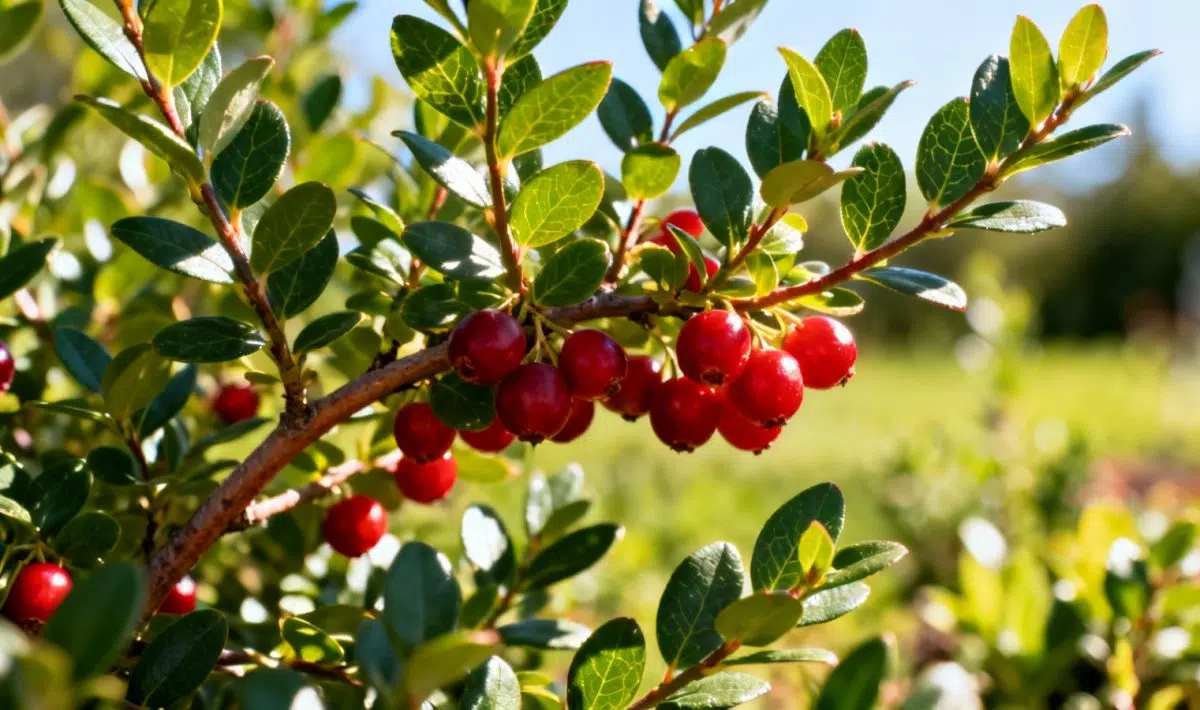
Growing American cranberry bush (Vaccinium species) successfully depends largely on understanding how much sunlight does American cranberry bush need. These fascinating plants have specific light requirements that directly impact their fruit production, overall health, and the quality of those delicious red berries we all love.
Understanding the sunlight needs of American cranberry bush
American cranberry plants thrive best with partial sun exposure, requiring approximately 4 to 6 hours of direct sunlight daily. This optimal range ensures robust growth while preventing the stress that can occur with excessive heat or insufficient light. The type of exposure matters significantly for both commercial growers and home gardeners looking to cultivate these valuable berry plants.
Full sun conditions, which provide more than 6 hours of direct light, can work well for cranberry cultivation, particularly when the soil remains consistently moist and well-draining. However, in warmer climates, some afternoon shade protection becomes beneficial to prevent leaf scorch and maintain plant vigor throughout the growing season.
How light exposure affects cranberry plant development
The relationship between sunlight and cranberry plant health extends far beyond simple photosynthesis. Adequate light exposure directly influences flower formation, which subsequently affects the production of those precious red fruits that make cranberry growing so rewarding.
When plants receive optimal sunlight, their feuillage develops that characteristic deep green color, indicating healthy chlorophyll production. This vibrant foliage serves as an excellent indicator of plant health and suggests that your cranberry bush is receiving appropriate light levels for maximum productivity.
Morning sunlight proves particularly valuable for cranberry plants, as it helps dry dew from leaves quickly, reducing the risk of fungal diseases. Much like sunlight requirements for healthy lemon growth, cranberries benefit from this early light exposure that sets the tone for the entire day’s photosynthetic activity.
Seasonal considerations for light exposure
During automne, cranberry plants begin their preparation for winter dormancy, and light requirements shift accordingly. The changing angle of the sun and shorter daylight hours naturally reduce light intensity, which actually helps trigger the plant’s natural seasonal cycle.
Spring emergence requires careful attention to light exposure as new growth appears. Young shoots and developing fleurs are particularly sensitive to intense sunlight, making partial shade beneficial during this critical growth phase. This is similar to how optimal sunlight for thriving catnip plants requires adjusted care during different growing phases.
Optimizing planting location for best results
Choosing the right location for your American cranberry plantation involves more than just considering sunlight hours. The quality of sol plays a crucial role in how well plants utilize available light. Acidic soil conditions, typically with a pH between 4.0 and 5.5, help cranberry plants absorb nutrients efficiently while processing sunlight.
When growing cranberries in containers or pot systems, mobility becomes an advantage. You can adjust positioning throughout the année to ensure optimal light exposure as seasonal conditions change. This flexibility proves particularly valuable for gardeners in challenging climate zones.
Dealing with insufficient light conditions
Signs of inadequate sunlight include reduced fruit production, pale or yellowing feuillage, and weak, spindly growth. Plants struggling with insufficient light often produce fewer baies, and those that do develop may lack the deep red color and high antioxidant content that makes cranberries so valuable.
If your growing area receives less than ideal sunlight, consider these solutions:
- Prune surrounding vegetation to increase light penetration
- Use reflective mulches to redirect available light to plants
- Consider supplemental growing lights for container-grown plants
- Select varieties specifically bred for lower light tolerance
Understanding these light requirements is as important as knowing white clover’s sunlight needs for growth when planning a diverse garden ecosystem.
Maximizing fruit production through proper light management
The quality and quantity of cranberry fruits directly correlate with the amount and quality of sunlight plants receive during their growing season. Regular monitoring of light conditions helps ensure consistent production and maintains the high standards that make organic cranberry cultivation so rewarding.
Professional growers often use specialized equipment to measure light intensity throughout their plantations, ensuring each plant receives adequate exposure. Home gardeners can achieve similar success by observing plant behavior and adjusting growing conditions as needed. Just as cape jasmine sunlight requirements for health vary with local conditions, cranberry light needs may require fine-tuning based on your specific location.
Protecting plants from excessive sun exposure
While cranberries need substantial sunlight, protection from intense afternoon heat becomes crucial in warmer regions. Shade cloths providing 30-40% protection during peak heat hours can prevent stress while maintaining adequate photosynthetic activity.
The taille of mature plants also influences light distribution within the canopy. Proper pruning ensures that interior branches receive adequate light while preventing overcrowding that could reduce air circulation and increase disease susceptibility.
Some gardeners find success growing cranberries alongside other plants that have complementary light needs, such as sunlight needs for common purslane plants, creating beneficial growing partnerships.
Selecting the right cranberry varieties for your light conditions
Different American cranberry varieties show varying tolerance to light conditions. Some cultivars perform better in slightly shadier conditions, while others require maximum sun exposure for optimal fruit development. Research local recommendations and consider your specific growing environment when making variety selections.
Modern breeding programs have developed cranberry varieties with improved adaptability to various light conditions. These advances make it possible to grow high-quality cranberries in locations that might not have been suitable for traditional varieties.
The price and availability of different cranberry varieties can vary significantly, with specialty organic graines often commanding premium prices. However, the investment in quality planting material typically pays off through improved plant performance and higher yields over time.
When considering companion planting, remember that cranberries have unique requirements that differ from many other berry plants. For instance, while sunlight for healthy Pin oak trees involves different considerations, both require careful attention to light management for optimal growth.
Monitoring and maintaining optimal growing conditions
Successful cranberry cultivation requires ongoing attention to light conditions throughout the growing season. Regular observation helps identify when plants might be receiving too much or too little sunlight, allowing for timely adjustments to growing conditions.
Keep detailed records of your plants’ performance under different light conditions. This information proves invaluable for making future planting decisions and optimizing your cranberry production system. Note flowering times, fruit set, and harvest yields to correlate with seasonal light patterns.
Understanding how much sunlight does American cranberry bush need empowers gardeners to create ideal growing conditions for these remarkable plants. With proper attention to light requirements, soil conditions, and regular care, American cranberry bushes can provide years of delicious, nutritious fruit production while adding beautiful seasonal interest to any landscape.

Allan is a lifelong gardening enthusiast who still gets excited when the first seedlings pop up in spring. With a deep love for nature and a hands-in-the-soil approach, he shares practical tips, plant discoveries, and clever tricks picked up over years of digging, planting, and observing. Whether you’re a new gardener or have a shed full of tools, Allan writes like a neighbor who’s always happy to swap cuttings and stories over the fence.
You can find more about Allan’s work on Malt or connect with him on LinkedIn.


