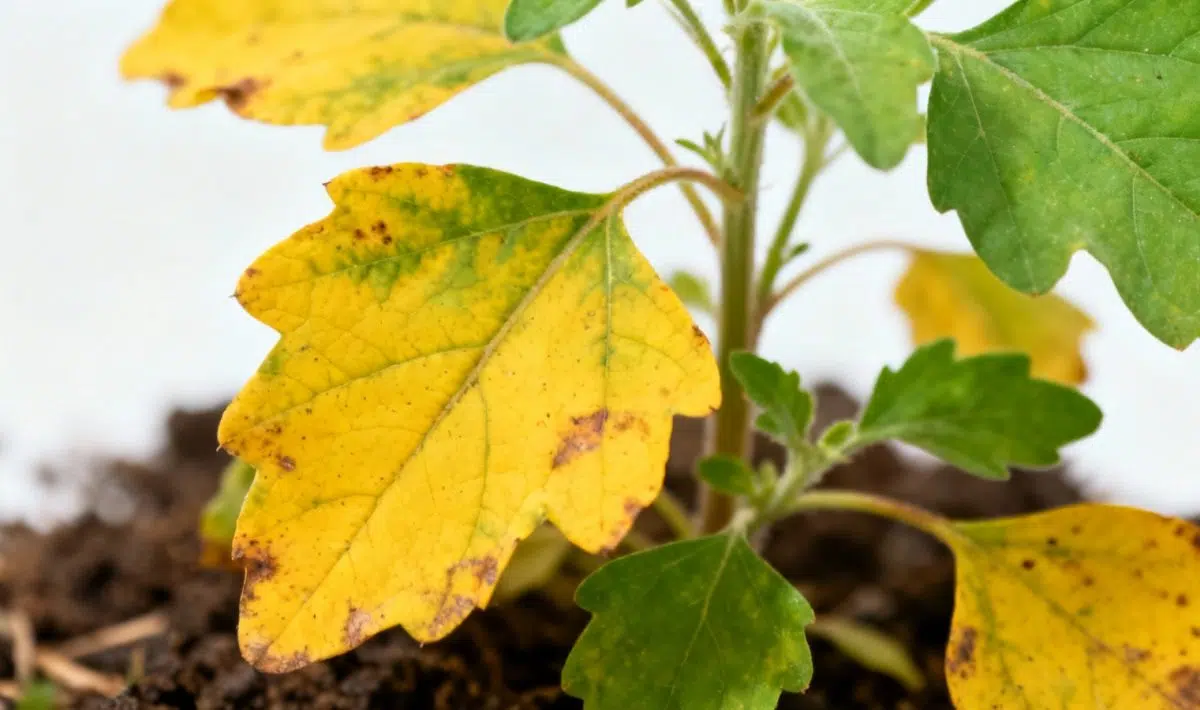
When you notice your annual ragweed leaves turning yellow, it’s natural to wonder what’s happening to this persistent plant. While many gardeners struggle with ragweed as an invasive species, understanding why the leaves change color can help you manage this common plant more effectively. The yellowing process often indicates specific environmental stresses or natural cycles that are worth examining closely.
Understanding ragweed and its characteristics
Ragweed belongs to a family of invasive plants that have adapted remarkably well to various growing conditions. This hardy annual plant typically thrives in disturbed soil areas, making it a frequent visitor to gardens, roadsides, and abandoned lots. The plant produces massive amounts of pollen, which has made it notorious among allergy sufferers worldwide.
The most common type found in residential areas is annual ragweed, which completes its entire life cycle within one growing season. Unlike perennial varieties, this species emerges from seeds each spring and dies with the first hard frost. Throughout its growing period, the plant can reach heights of three to five feet, developing deeply lobed leaves that may eventually turn yellow for several reasons.
✅ Quick Checklist
- Is the soil too wet or too dry?
- Is the plant getting 6+ hours of sunlight daily?
- Have you fertilized in the last 2 months?
- Are there visible pests under the leaves?
- Does the pot have adequate drainage?
Diagnose your plant in one click!
AI instant diagnosis • Personalized solutions • 50,000+ species
Common causes of yellowing ragweed leaves
Natural aging represents one of the most frequent explanations for yellow leaves on ragweed plants. As the growing season progresses, older leaves naturally begin to yellow and drop off, especially those located near the base of the plant. This process allows the plant to redirect energy toward seed production, which typically occurs from late summer through early fall.
Nutrient deficiencies can also trigger yellowing, particularly when nitrogen levels become insufficient. Ragweed plants require adequate nitrogen for healthy green foliage, and depleted soil conditions may cause leaves to lose their vibrant color. Similarly, iron deficiency can create yellowing patterns, though this typically affects newer growth first rather than older leaves.
Water stress plays a significant role in leaf coloration changes. Both drought conditions and excessive moisture can stress the plant enough to cause yellowing. During prolonged dry periods, ragweed may sacrifice older leaves to conserve water for essential functions, while waterlogged soil can lead to root problems that manifest as yellowing foliage.
Environmental factors affecting leaf health
Temperature extremes can shock ragweed plants into premature yellowing, especially during unexpected cold snaps or prolonged heat waves. These plants prefer moderate temperatures and consistent growing conditions, so dramatic weather changes often trigger stress responses that include leaf discoloration.
Sunlight exposure affects ragweed growth patterns significantly. While these plants tolerate various light conditions, insufficient sunlight may cause lower leaves to yellow as the plant prioritizes energy distribution to upper foliage. Conversely, intense afternoon sun combined with drought stress can also promote yellowing.
Why are my annual ragweed leaves turning yellow: seasonal considerations
Late-season yellowing often indicates that your ragweed plants are entering their natural senescence phase. Annual ragweed typically begins this process in late August or early September, preparing for seed production and eventual winter dormancy. During this period, yellowing leaves become increasingly common as the plant redirects resources toward developing seeds.
Similar yellowing patterns can occur with other garden plants, and understanding these processes helps gardeners recognize normal plant behavior. For instance, pomegranate leaves may turn yellow due to comparable seasonal changes or environmental stresses. Recognizing these patterns across different species can improve your overall gardening knowledge.
Managing ragweed in your landscape
Since ragweed is considered an invasive plant in many regions, managing its spread should be a priority for responsible gardeners. The key lies in preventing seed production, which occurs after the flowering stage. Removing plants before they set seed can significantly reduce future populations in your garden area.
Hand-pulling remains one of the most effective control methods for small infestations, especially when soil moisture levels make removal easier. The best timing for this approach is during late spring or early summer, before the plants become too established. Always wear gloves and protective clothing when handling ragweed to avoid skin irritation.
For larger areas, mowing can help reduce ragweed populations by cutting down plants before seed production. However, this method requires consistent timing and may need multiple applications throughout the growing season. Some gardeners also find success with addressing yellowing peppermint leaves and other herb issues while simultaneously managing invasive plants through improved garden maintenance practices.
✅ Quick Checklist
- Is the soil too wet or too dry?
- Is the plant getting 6+ hours of sunlight daily?
- Have you fertilized in the last 2 months?
- Are there visible pests under the leaves?
- Does the pot have adequate drainage?
Diagnose your plant in one click!
AI instant diagnosis • Personalized solutions • 50,000+ species
Prevention strategies for future seasons
Establishing competitive vegetation represents one of the most sustainable approaches to ragweed control. Dense grass lawns or groundcover plants can prevent ragweed seeds from germinating by limiting available space and sunlight. Regular overseeding of thin lawn areas helps maintain this competitive advantage year after year.
Soil improvement also plays a crucial role in long-term ragweed management. These plants often thrive in compacted or nutrient-poor soils, so improving soil structure and fertility can favor more desirable vegetation. Adding organic matter through compost applications helps create conditions that support healthier plant communities.
Mulching garden beds provides another effective prevention strategy, as it suppresses ragweed seed germination while retaining soil moisture for desired plants. A three-inch layer of organic mulch can significantly reduce ragweed establishment in landscaped areas, though you should refresh the mulch annually for continued effectiveness.
Understanding ragweed’s ecological impact
While ragweed creates challenges for gardeners and allergy sufferers, it does provide some ecological benefits that are worth acknowledging. The seeds serve as food sources for various bird species, particularly finches and sparrows during fall migration periods. Additionally, some native insects utilize ragweed as host plants, though this benefit must be weighed against the plant’s invasive characteristics.
However, ragweed’s aggressive growth habits can displace native plant species, reducing overall biodiversity in natural areas. The plant’s ability to produce thousands of seeds per individual makes it particularly problematic in disturbed habitats where native vegetation struggles to compete. Understanding this balance helps gardeners make informed decisions about tolerance versus control.
Responsible management becomes especially important when ragweed populations threaten rare or sensitive plant communities. In these situations, early intervention and consistent monitoring can prevent small problems from becoming large-scale invasions that require more intensive control measures.
Practical monitoring and assessment
Regular observation helps you distinguish between normal seasonal changes and problematic yellowing in ragweed plants. Keep a simple garden journal noting when yellowing begins each season, as this information can help you predict future patterns and plan management activities accordingly.
Photography provides an excellent tool for tracking changes in plant health and population dynamics over time. Taking monthly photos of the same areas can reveal subtle changes that might otherwise go unnoticed, helping you refine your management approaches based on actual results rather than assumptions.
Consider consulting with local extension services or invasive species coordinators if ragweed populations seem unusually problematic in your area. These professionals can provide region-specific advice and may offer resources for large-scale management projects that benefit entire neighborhoods or ecosystems.

Allan is a lifelong gardening enthusiast who still gets excited when the first seedlings pop up in spring. With a deep love for nature and a hands-in-the-soil approach, he shares practical tips, plant discoveries, and clever tricks picked up over years of digging, planting, and observing. Whether you’re a new gardener or have a shed full of tools, Allan writes like a neighbor who’s always happy to swap cuttings and stories over the fence.
You can find more about Allan’s work on Malt or connect with him on LinkedIn.