How much sunlight does emerald ripple peperomia need for healthy growth
The emerald ripple peperomia, with its stunning textured leaves and deep green color, has become one of the most sought-after houseplants for modern homes. However, many plant enthusiasts wonder exactly how much sunlight does emerald ripple peperomia need to thrive indoors. This charming little plant requires specific light conditions that differ from many other popular houseplants, making it perfect for those looking to add greenery to spaces with lower light levels.
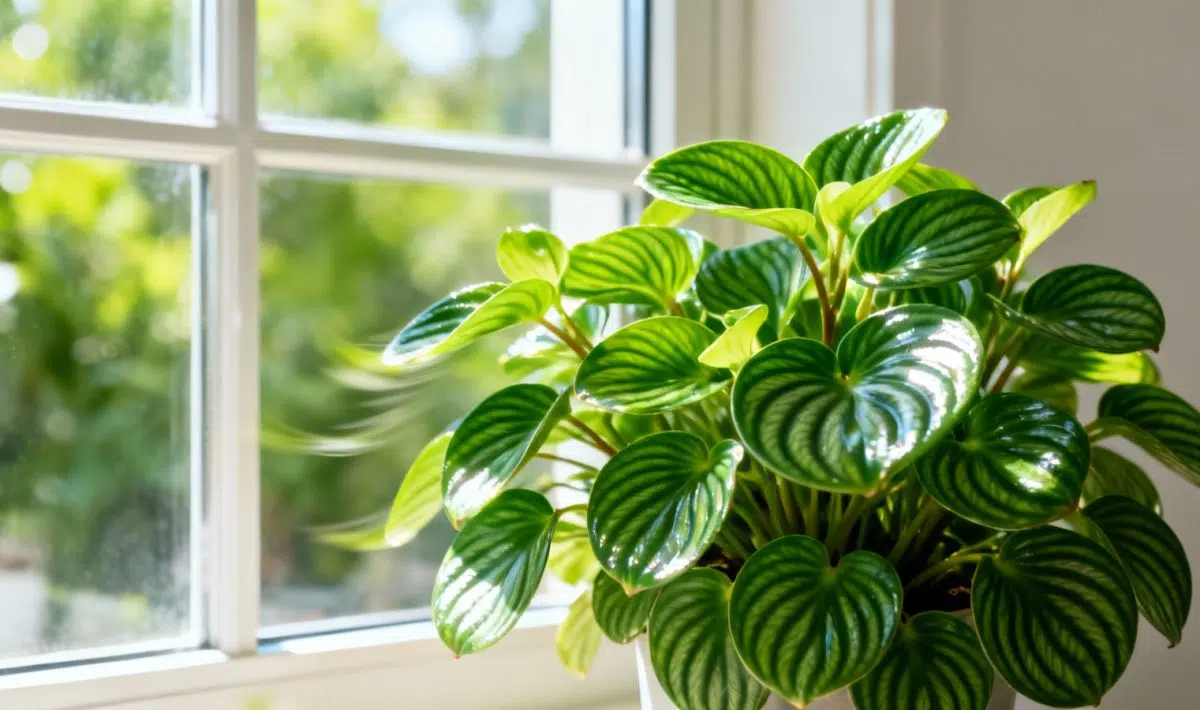
Emerald ripple peperomia, scientifically known as Peperomia caperata, thrives in bright, indirect sunlight rather than direct exposure. This tropical plant naturally grows under the canopy of larger plants in its native habitat, which means it’s adapted to filtered light conditions. Direct sunlight can actually damage the delicate, rippled leaves, causing them to lose their vibrant emerald color and develop brown spots.
The ideal placement for your peperomia is near an east or west-facing window, where it can receive good morning or evening light without the harsh midday sun. You can also position it about 2-3 feet away from a south-facing window to ensure it gets adequate brightness without direct exposure. For those with limited natural light, these plants are remarkably tolerant and can adapt to lower light conditions, though their growth may slow down slightly.
When caring for houseplants with specific light needs, it’s worth noting that different plants have varying requirements. For instance, understanding sunlight requirements for strawberry plants can help you create a diverse indoor garden with complementary light zones.
Signs your plant is getting the right amount of light
A happy emerald ripple peperomia will display several telltale signs that indicate it’s receiving the perfect amount of sunlight. The leaves should maintain their deep green color with pronounced rippling texture, and new growth will appear regularly during the growing season. The plant will have a compact, bushy appearance rather than stretching toward the light source.
However, if your peperomia isn’t getting enough light, you’ll notice the leaves becoming smaller and losing their distinctive texture. The plant may also start to stretch or lean toward the nearest light source, creating an unbalanced appearance. On the flip side, too much direct sunlight will cause the emerald leaves to fade, turn yellow, or develop crispy brown edges.
To ensure optimal growth, rotate your plant a quarter turn weekly so all sides receive equal light exposure. This simple practice prevents the plant from growing lopsided and maintains its attractive, symmetrical shape that makes it such a desirable addition to any home.
Optimal placement and care tips
When choosing the perfect spot for your emerald ripple peperomia, consider rooms with consistent, moderate lighting throughout the day. Bathrooms with frosted windows can be excellent locations, as they provide the humidity these tropical plants love while offering gentle, diffused light. Living rooms with large windows covered by sheer curtains also create ideal conditions.
For those interested in expanding their plant collection, learning about light needs for vibrant zinnia blooms can help you understand how different plants adapt to varying light conditions, though zinnias are outdoor plants with completely different requirements.
The beauty of emerald ripple peperomia lies in its adaptability to different home environments. Unlike plants that demand specific light conditions, this variety can tolerate some flexibility in its placement. You can even grow it successfully under fluorescent lights in offices or rooms without windows, making it an excellent choice for those who want to add green life to less naturally lit spaces.
Troubleshooting common light-related issues
If you notice your peperomia’s leaves becoming pale or losing their emerald intensity, it’s likely getting too much direct light. Move it to a location with more filtered sunlight or add a sheer curtain to diffuse harsh rays. Conversely, if the plant appears leggy or the leaves are smaller than usual, it needs more bright, indirect light.
Brown, crispy leaf edges typically indicate the plant is receiving too much direct sunlight, while yellowing leaves that drop off may signal either too little light or overwatering. Since light and watering needs are interconnected, plants in lower light conditions require less frequent watering than those in brighter spots.
Understanding various plant light requirements can help you create a thriving indoor garden. For example, knowing sunlight needs for cornflowers alongside your peperomia care knowledge allows you to diversify your plant collection effectively.
Seasonal adjustments and long-term care
Throughout the year, you may need to adjust your emerald ripple peperomia’s position to account for changing light conditions. During winter months, when natural light is reduced, moving your plant closer to windows can help maintain its health and growth rate. However, be careful of cold drafts from windows, as these tropical plants prefer consistent temperatures.
Summer months often bring more intense sunlight, so you might need to move your peperomia slightly further from windows or add additional light filtering. The key is observing your plant’s response and making gradual adjustments rather than dramatic changes that could stress the plant.
For plant enthusiasts looking to expand their knowledge, learning about optimal light for florist kalanchoe can provide insights into caring for other popular houseplants with similar tropical origins.
Creating the perfect environment for growth
Beyond just sunlight requirements, emerald ripple peperomia thrives when all environmental factors work together harmoniously. The right light conditions, combined with proper humidity levels and well-draining soil, create an environment where these beautiful plants can flourish for years to come.
Consider grouping your peperomia with other houseplants that have similar light requirements. This not only creates an attractive display but also helps maintain humidity levels that benefit all the plants. When researching compatible plants, you might find information about light conditions for oyster plants helpful for creating diverse plant arrangements.
Remember that good plant care extends beyond just providing adequate light. Regular observation, gentle cleaning of the textured leaves, and understanding your specific home’s lighting patterns will help you provide the best possible care for your emerald ripple peperomia.
Where to buy and what to look for
When shopping for an emerald ripple peperomia, look for plants with vibrant green leaves, pronounced rippling texture, and compact growth. Many online retailers now offer fast delivery options for houseplants, making it easier than ever to add these beautiful specimens to your collection. Check customer reviews and ratings to ensure you’re purchasing from reputable sellers who package plants properly for shipping.
The price for emerald ripple peperomia varies depending on size and supplier, but these plants are generally affordable and offer excellent value for money given their low-maintenance nature and striking appearance. Look for sellers who provide detailed care instructions and guarantee healthy delivery to ensure your new plant arrives in perfect condition.
For those interested in learning about other plant care requirements, understanding sunlight for healthy selfheal growth can broaden your gardening knowledge, though this applies to outdoor gardening rather than houseplant care.
With proper light conditions and basic care, your emerald ripple peperomia will reward you with years of beautiful, textured foliage that adds natural elegance to any space. These resilient little plants are perfect for both beginning plant parents and experienced collectors looking to add something special to their green collection.
Allan is a lifelong gardening enthusiast who still gets excited when the first seedlings pop up in spring. With a deep love for nature and a hands-in-the-soil approach, he shares practical tips, plant discoveries, and clever tricks picked up over years of digging, planting, and observing. Whether you’re a new gardener or have a shed full of tools, Allan writes like a neighbor who’s always happy to swap cuttings and stories over the fence.
You can find more about Allan’s work on Malt or connect with him on LinkedIn.