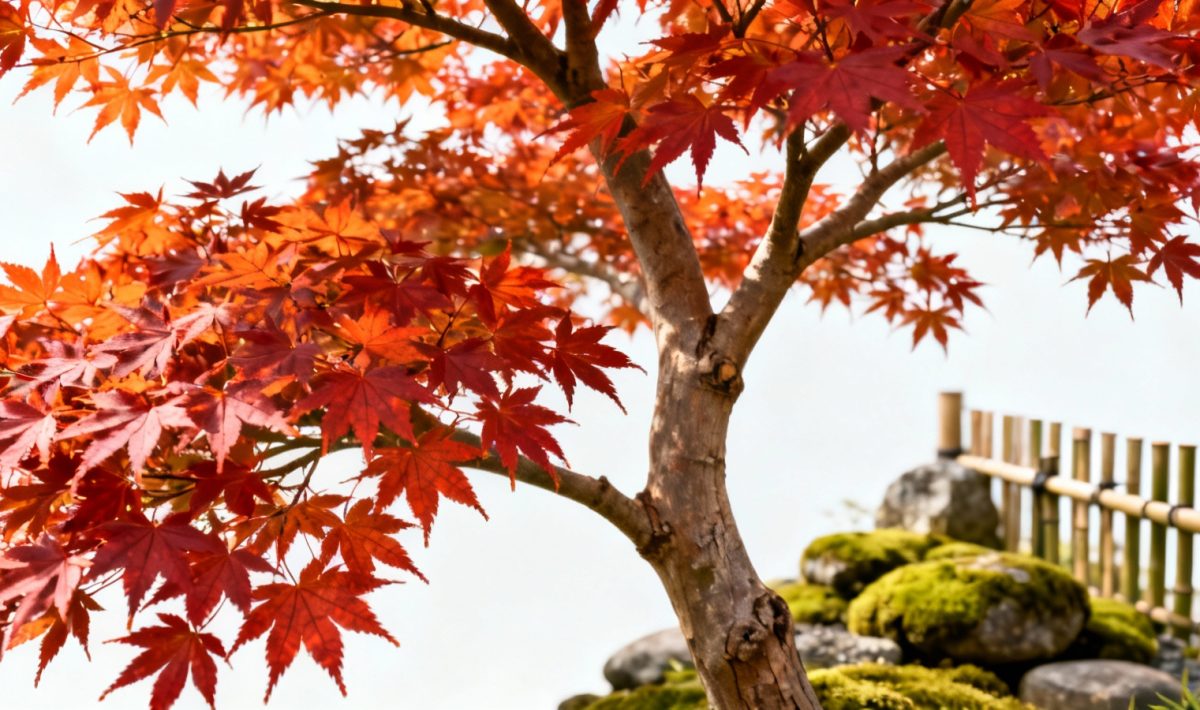
Japanese maple – Acer palmatum: characteristics, culture techniques, and propagation methods
Japanese maple – Acer palmatum stands as one of the most beloved ornamental trees for gardeners worldwide. This stunning tree, native to Japan, captivates with its delicate palmate leaves that transform into spectacular autumn displays of red, orange, and purple hues. Whether you’re planning to add one to your garden or caring for an existing specimen, understanding proper cultivation techniques will ensure your maple thrives for years to come.
The Japanese maple typically reaches 4 to 10 meters in height at maturity, with a similar spread that creates an elegant canopy. This slow-growing tree develops at approximately 30-60 centimeters per year during its early years, making it perfect for smaller gardens and container cultivation. The most distinctive feature remains its finely cut foliage that emerges green in spring before transitioning to breathtaking autumn colors.
Different cultivars offer varying leaf shapes, sizes, and color variations throughout the growing season. Some varieties maintain reddish-purple foliage all season, while others display green leaves with red margins. The tree’s graceful branching pattern and smooth bark add winter interest when leaves have fallen, making it a year-round garden asset.
These trees are remarkably hardy, tolerating temperatures from -20°C to +30°C (USDA zones 5-8). However, they do have specific preferences that gardeners should understand. Strong winds can damage delicate branches, while intense midday sun from 12 PM to 4 PM can scorch leaves, particularly in hotter climates.
Essential care requirements for thriving maples
Proper location selection proves crucial for Japanese maple success. These trees prefer partial shade or morning sun with afternoon protection. In cooler climates, they can tolerate more direct sunlight, but adequate moisture must be maintained. Choose a spot protected from strong winds and harsh afternoon sun for best results.
Watering requires careful attention, especially during establishment. Young trees need consistent moisture but never waterlogged conditions. Deep, infrequent watering encourages proper root development. During dry periods, provide supplemental irrigation, as drought stress can cause leaf scorch and premature leaf drop. Much like when you learn about caring for hardy fuchsia, consistent moisture management proves essential for optimal health.
Soil requirements are quite specific – Japanese maples thrive in acidic conditions with a pH between 5.5 and 6.5. Well-draining soil that retains some moisture works best. Heavy clay soils should be amended with organic matter to improve drainage, while sandy soils benefit from compost additions to increase water retention.
Cultivation techniques and soil preparation
Before planting, test your soil pH and amend as necessary. If your soil is too alkaline, incorporate sulfur or organic matter like pine needles to lower the pH gradually. The planting hole should be twice as wide as the root ball but no deeper, ensuring the tree sits at the same level it was growing in the container.
Spring and autumn represent the ideal planting times, allowing roots to establish before extreme weather arrives. When planting, gently tease apart circled roots to encourage outward growth. Backfill with the original soil mixed with compost, avoiding heavy fertilizers that can burn delicate roots.
Mulching around the base helps retain moisture and regulate soil temperature. Apply a 2-3 inch layer of organic mulch, keeping it away from the trunk to prevent pest problems. This practice mimics the natural forest floor conditions these trees prefer in their native habitat. Similar to how you discover how to grow peppers, proper soil preparation significantly impacts long-term success.
Container cultivation offers excellent results for smaller spaces or colder climates where winter protection is needed. Use a large pot with drainage holes and quality potting mix designed for acid-loving plants. Container-grown maples require more frequent watering and may need winter protection in harsh climates.
Popular cultivars and selection criteria
The variety of available cultivars can be overwhelming, but understanding different characteristics helps narrow choices. ‘Bloodgood’ remains one of the most popular selections, offering deep red foliage that holds color well through summer. ‘Crimson Queen’ provides a weeping form perfect for smaller spaces or as a focal point.
For those seeking unique foliage, ‘Butterfly’ offers variegated leaves with white and pink edges, while ‘Red Dragon’ maintains intense red color throughout the growing season. These cultivars have been carefully selected and described in various horticultural publications, with detailed information available for serious collectors.
When selecting cultivars, consider mature size, growth habit, and color preferences. Upright forms work well as specimen trees, while weeping varieties excel in rock gardens or beside water features. Just as you might explore evergreen azalea care tips for complementary plantings, choosing the right maple variety ensures harmonious garden design.
Propagation methods and techniques
Japanese maples can be propagated through several methods, each with specific timing and requirements. Seed propagation offers the most economical approach but requires patience and may not produce plants identical to the parent tree. Seeds need cold stratification for 90-120 days before planting in spring.
Grafting remains the preferred method for named cultivars, ensuring identical characteristics to the parent plant. This technique requires skill and practice but allows propagation of specific varieties that don’t come true from seed. Most commercial nurseries use this method for consistency and reliability.
Cutting propagation works for some varieties but proves challenging due to low rooting rates. Softwood cuttings taken in early summer have the best success rates when treated with rooting hormone and kept under mist systems. This method requires controlled conditions and patience, much like techniques used when you find out how to propagate potatoes.
Air layering provides another option for home gardeners wanting to propagate specific branches. This method takes longer but often produces better results than cuttings for difficult-to-root varieties.
Common problems and solutions
Verticillium wilt represents the most serious disease threat to Japanese maples. This soil-borne fungus causes wilting and branch dieback, with no cure available once infected. Prevention through proper cultural practices and avoiding infected soil remains the best approach. Good drainage and avoiding root damage help prevent infection.
Leaf scorch appears as brown, crispy leaf edges and typically results from environmental stress rather than disease. Insufficient water, excessive heat, or strong winds commonly cause this condition. Adjusting watering schedules and providing afternoon shade often resolves the issue. Similar attention to environmental factors proves important when you understand boxwood care requirements for other landscape plants.
Aphids occasionally attack new growth but rarely cause serious damage. Regular inspection and gentle water spraying usually control minor infestations. Beneficial insects often provide natural control when chemical pesticides are avoided.
Seasonal maintenance and long-term care
Pruning should be minimal and done during dormancy to avoid bleeding sap. Remove dead, damaged, or crossing branches to maintain good air circulation. Japanese maples naturally develop beautiful shapes with minimal intervention, so heavy pruning is rarely necessary.
Winter protection may be needed in harsh climates, particularly for container plants. Wrapping trunks and providing wind screens help prevent damage from temperature fluctuations and drying winds. Mulching around the base provides additional root protection.
Fertilization should be light and organic when possible. These trees prefer natural soil conditions and can be damaged by excessive nutrients. Annual applications of compost or well-aged manure provide sufficient nutrition for most situations. Just as you might learn about common borage cultivation for companion planting, understanding nutritional needs ensures healthy growth without overfeeding.
With proper care and attention to their specific needs, Japanese maples reward gardeners with decades of beauty and seasonal interest. Their combination of elegant form, stunning foliage, and manageable size makes them invaluable additions to landscapes of all sizes. Whether grown as specimen trees or part of mixed plantings, these remarkable trees continue to captivate gardeners with their timeless appeal and ever-changing seasonal displays.
Allan is a lifelong gardening enthusiast who still gets excited when the first seedlings pop up in spring. With a deep love for nature and a hands-in-the-soil approach, he shares practical tips, plant discoveries, and clever tricks picked up over years of digging, planting, and observing. Whether you’re a new gardener or have a shed full of tools, Allan writes like a neighbor who’s always happy to swap cuttings and stories over the fence.
You can find more about Allan’s work on Malt or connect with him on LinkedIn.