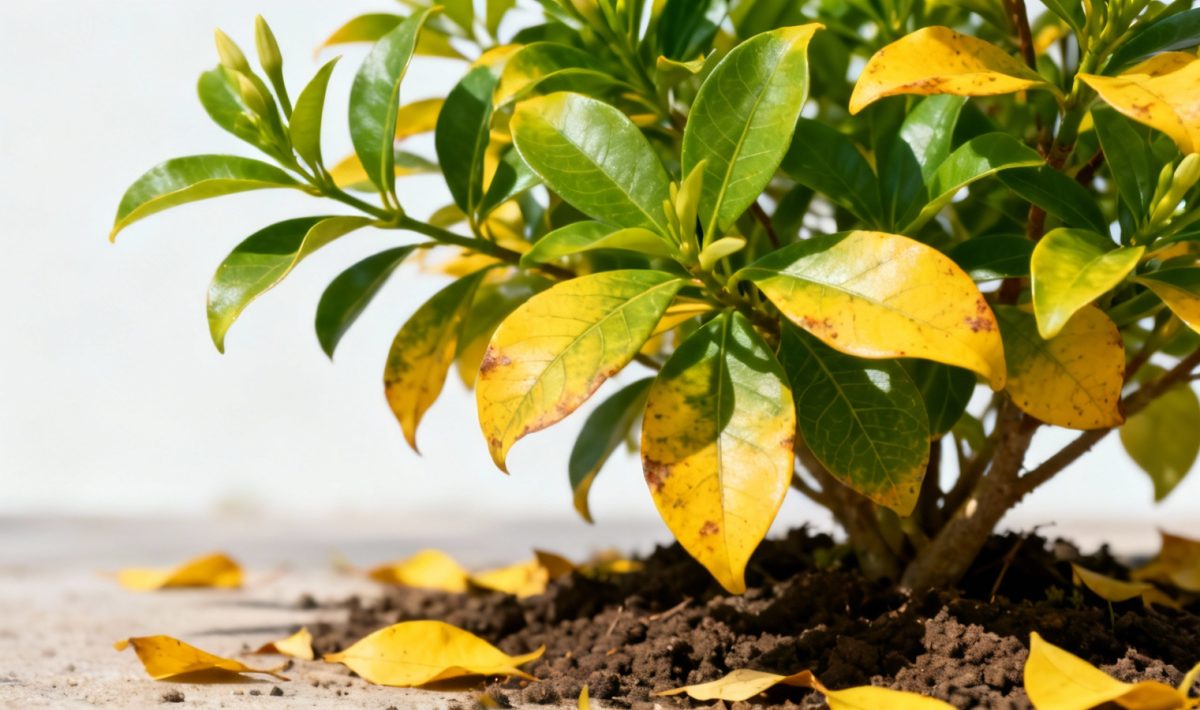
Why are my chilean jasmine leaves turning yellow – causes and solutions
Nothing’s more concerning than watching your beautiful Chilean jasmine develop yellow leaves. Trust me, I’ve been there! This stunning plant can suddenly surprise you with this color change, but don’t worry – it’s usually telling you something specific about its needs.
Yellow leaves on your Chilean jasmine aren’t just a cosmetic issue. They’re actually your plant’s way of communicating that something in its environment needs attention. Whether it’s related to watering habits, soil quality, or environmental stress, understanding these signals will help you get your jasmine back to its vibrant green state.
When you notice yellowing on your Chilean jasmine, the first step is identifying exactly what you’re seeing. Are the leaves turning yellow from the bottom up? Are they yellowing uniformly across the plant? These details matter because they point to different underlying causes.
Yellow leaves typically indicate that your plant is struggling with one of several key factors. The most common culprits include improper watering, poor soil drainage, insufficient nutrients, or environmental stress. Each of these issues manifests differently, so observing the pattern of yellowing helps narrow down the root cause.
It’s worth noting that some yellowing is completely normal. Older leaves naturally age and drop off, especially during seasonal transitions. However, when you see widespread yellowing or rapid changes, that’s when your plant needs immediate attention.
✅ Quick Checklist
Is the soil too wet or too dry?
Is the plant getting 6+ hours of sunlight daily?
Have you fertilized in the last 2 months?
Are there visible pests under the leaves?
Does the pot have adequate drainage?
🔥 FREE
📱
Diagnose your plant in one click!
AI instant diagnosis • Personalized solutions • 50,000+ species
Your soil quality plays a massive role in leaf color. Chilean jasmine thrives in well-draining soil that’s rich in organic matter but not waterlogged. If your soil retains too much moisture, the roots can’t breathe properly, leading to yellowing leaves from the bottom up.
The ideal soil mixture for this plant combines good drainage with adequate nutrients. I recommend mixing regular potting soil with perlite or coarse sand to improve drainage. Adding compost will provide the organic matter your jasmine craves without making the soil too heavy.
Drainage is absolutely crucial for preventing yellow leaves. If water sits around the roots for extended periods, root rot can develop quickly. Make sure your containers have drainage holes, and if you’re planting in the ground, consider raised beds or adding drainage materials to heavy clay soil.
Similar yellowing issues affect other plants too. For instance, pomegranate leaves turning yellow solutions often involve improving soil drainage and adjusting watering practices, just like with Chilean jasmine care.
Environmental conditions and their impact
Light exposure significantly affects your plant’s leaf color. Chilean jasmine needs bright, indirect light for most of the day but can handle some direct morning sun. Too little light causes leaves to yellow and drop, while excessive direct sun can scorch them.
Temperature fluctuations also stress your plant. This jasmine prefers consistent temperatures between 65-75°F during the growing season. Sudden temperature drops or hot, dry conditions can trigger yellowing as the plant tries to conserve water and energy.
Humidity levels matter more than many people realize. Indoor air can be quite dry, especially during winter months with heating systems running. Low humidity stresses the plant, often resulting in yellowing leaves along the edges first.
Watering habits directly correlate with leaf health. Both overwatering and underwatering cause yellowing, but they present differently. Overwatered plants show yellowing from the bottom up with soft, mushy stems, while underwatered plants yellow from the tips and edges inward.
Practical solutions for yellowing leaves
Start by adjusting your watering routine. Check the soil moisture by inserting your finger about two inches deep. The soil should be moist but not soggy. During growing season, water when the top inch feels dry, but reduce frequency in winter.
Fertilization timing can make or break your plant’s health. Feed your Chilean jasmine with a balanced, diluted fertilizer every 4-6 weeks during spring and summer. Avoid fertilizing in winter when growth slows down naturally.
Prevention strategies work better than reactive treatments. Establish a consistent care routine that includes regular soil moisture checks, proper lighting conditions, and seasonal adjustments to watering and feeding schedules.
Many gardeners face similar challenges with different plants. The approach to wild bergamot leaves yellowing causes involves many of the same principles: proper watering, good soil drainage, and appropriate environmental conditions.
✅ Quick Checklist
Is the soil too wet or too dry?
Is the plant getting 6+ hours of sunlight daily?
Have you fertilized in the last 2 months?
Are there visible pests under the leaves?
Does the pot have adequate drainage?
🔥 FREE
📱
Diagnose your plant in one click!
AI instant diagnosis • Personalized solutions • 50,000+ species
Creating the right growing environment from the start prevents most yellowing issues. Choose containers with adequate drainage, use quality potting mix, and position your plant where it receives appropriate light throughout the day.
Seasonal care adjustments help maintain healthy foliage year-round. During winter, reduce watering frequency and stop fertilizing. In spring, gradually increase care activities as new growth appears, and resume regular feeding schedules.
Regular monitoring catches problems early. Check your plant weekly for changes in leaf color, new growth, and overall health. This proactive approach allows you to address issues before they become serious problems that are harder to reverse.
Remember that recovering from yellowing takes time. Once you’ve identified and corrected the underlying issue, be patient. New growth will typically show improvement first, while existing yellow leaves may not recover their green color but will eventually be replaced by healthy new foliage.
Allan is a lifelong gardening enthusiast who still gets excited when the first seedlings pop up in spring. With a deep love for nature and a hands-in-the-soil approach, he shares practical tips, plant discoveries, and clever tricks picked up over years of digging, planting, and observing. Whether you’re a new gardener or have a shed full of tools, Allan writes like a neighbor who’s always happy to swap cuttings and stories over the fence.
You can find more about Allan’s work on Malt or connect with him on LinkedIn.