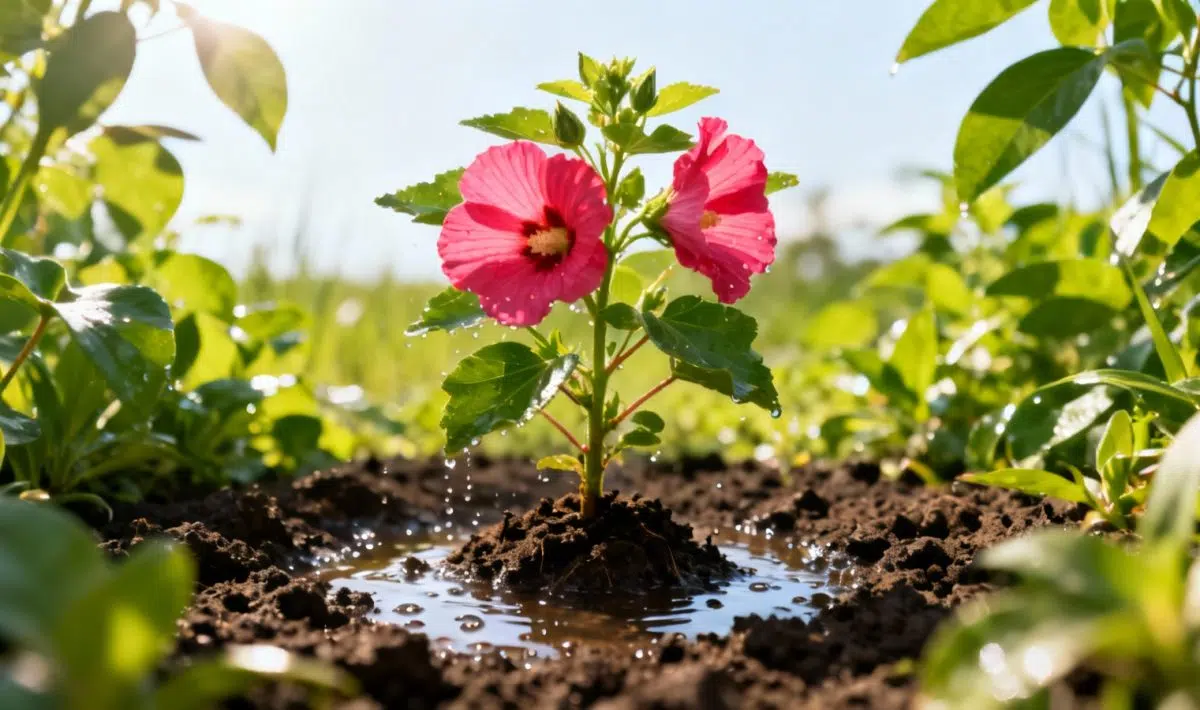
How often should you water your swamp rose mallow for healthy blooms
The swamp rose mallow stands as one of summer’s most spectacular flowering perennials, producing dinner-plate-sized blooms that can reach up to 8 inches across. Understanding how often should you water your swamp rose mallow is crucial for achieving those magnificent flowers that make this plant a garden showstopper.
This remarkable hibiscus species thrives in consistently moist conditions, reflecting its natural habitat in wetlands and marshy areas. However, proper watering goes beyond simply keeping the soil wet – it requires understanding the plant’s growth patterns and environmental needs.
The swamp rose mallow demands significantly more water than most garden perennials. During peak growing season, this thirsty plant requires deep watering 2-3 times per week under normal conditions. In extreme heat or when grown in containers, you may need to increase this frequency to twice daily.
The key lies in providing consistent moisture without creating waterlogged conditions. The soil should feel like a well-wrung sponge – moist throughout but not dripping wet. This balance ensures the roots receive adequate hydration while preventing rot from excess moisture.
During germination, seeds require exceptionally careful moisture management. Keep the planting medium consistently damp but not soggy, as dry conditions will prevent proper seed development. Similarly, understanding optimal watering for dog roses can provide insights into managing moisture-loving rose family plants.
Seasonal watering adjustments
Spring marks the beginning of active growth when your swamp rose mallow emerges from winter dormancy. Start with moderate watering as new foliage appears, gradually increasing frequency as temperatures rise and growth accelerates.
Summer represents the peak watering period. During these hot months, the large foliage and active flowering habit create substantial water demands. Monitor soil moisture daily, especially during heat waves when evaporation rates soar.
Fall watering should gradually decrease as growth slows and the plant prepares for dormancy. Reduce frequency but maintain enough moisture to support the root system through the transition period.
Winter requires minimal intervention. In dormant periods, water only when the soil becomes noticeably dry, typically once every 2-3 weeks depending on local conditions.
Soil conditions and drainage
The best soil for swamp rose mallow retains moisture while providing adequate drainage. A rich, organic mixture with compost or well-rotted manure creates ideal growing conditions. The pH should range between 6.0 and 7.5 for optimal nutrient uptake.
Unlike watering tips for lady banks roses which prefer drier conditions, swamp rose mallow tolerates and even thrives in temporarily waterlogged soil. This makes it perfect for rain gardens or areas with poor drainage.
Adding organic matter improves both water retention and soil structure. Mulching around the base helps maintain consistent moisture levels while suppressing weeds that compete for water resources.
Timing your watering sessions
Early morning watering provides the most benefit for swamp rose mallow. This timing allows the plant to absorb moisture before daytime heat increases evaporation rates. It also ensures foliage dries quickly, reducing disease risks.
Evening watering can work but carries greater risk of fungal problems. If you must water in the evening, focus on soil application rather than overhead sprinkling to keep leaves dry overnight.
Avoid midday watering when possible, as much of the water will evaporate before reaching the roots. However, wilted plants in extreme heat may require emergency afternoon watering to prevent stress.
Deep watering techniques
Apply water slowly and deeply rather than frequent shallow sprinkles. This encourages deep root development and improves drought tolerance. A soaker hose or drip irrigation system delivers water directly to the root zone with minimal waste.
When hand watering, use a gentle stream and water until you see moisture emerging from drainage holes in containers, or until the top 6 inches of garden soil feels thoroughly saturated.
Recognizing water stress signs
Swamp rose mallow displays clear indicators when watering needs adjustment. Wilted or drooping foliage signals immediate water needs, especially during hot weather when the plant’s large leaves lose moisture rapidly.
Flowers may appear smaller or fade quickly under water stress. The plant’s natural flowering habit depends on consistent moisture throughout the growing season for optimal bloom production.
Yellowing lower leaves often indicate overwatering, while brown, crispy leaf edges suggest underwatering. Learning to read these signals helps you fine-tune your watering schedule.
Similar moisture management principles apply to other garden plants, such as understanding watering advice for scarlet-star plants for comprehensive garden care.
Container growing considerations
Potted swamp rose mallow requires more frequent watering than garden-planted specimens. Containers dry out faster, especially in hot weather or windy conditions. Check soil moisture daily during summer months.
Use large containers to provide adequate root space and soil volume for moisture retention. Smaller pots dry out too quickly for this water-loving perennial to thrive properly.
Consider adding water-retaining crystals to potting soil for extra moisture storage. This product helps maintain consistent hydration between watering sessions.
Mulching benefits
Apply a 2-3 inch layer of organic mulch around your swamp rose mallow to conserve soil moisture. Good options include shredded bark, compost, or grass clippings that decompose to enrich the soil.
Keep mulch several inches away from the plant stem to prevent rot and pest problems. The mulch barrier reduces evaporation and maintains more consistent soil temperatures.
Special watering considerations
New plantings require extra attention during their first growing season. Water more frequently until roots establish, typically taking 6-8 weeks for full establishment in garden beds.
During seed germination, maintain consistent moisture without allowing the planting area to dry out completely. Seeds that experience drought stress during this critical period often fail to develop properly.
If you’re growing vegetables alongside your flowers, techniques for how to water your cabbage properly can inform your broader garden watering strategy.
Troubleshooting common watering problems
Dry soil around swamp rose mallow creates immediate stress that affects both growth and flowering. If soil has become completely dry, water slowly and deeply, allowing moisture to penetrate gradually rather than running off the surface.
Conversely, constantly soggy soil can lead to root rot despite this plant’s love of moisture. Improve drainage by adding coarse sand or perlite to heavy clay soils, or consider raised bed planting.
For indoor plant enthusiasts learning general watering principles, resources about watering flowers for African violets offer valuable insights into moisture-sensitive plant care.
Remember that environmental factors like humidity, temperature, and wind all influence watering frequency. Adjust your schedule based on current conditions rather than following a rigid routine.
Maximizing flowering with proper hydration
Consistent watering throughout the growing season ensures your swamp rose mallow produces its full complement of spectacular summer blooms. Well-hydrated plants flower more prolifically and maintain blooms longer than water-stressed specimens.
The investment in proper watering pays dividends in garden performance. This perennial shrub rewards attentive gardeners with months of stunning flowers that serve as focal points in any landscape design.
By understanding your swamp rose mallow’s water needs and adjusting care seasonally, you’ll enjoy years of reliable blooming from this magnificent native plant. The key lies in maintaining that sweet spot of consistent moisture that mimics the plant’s natural wetland habitat.
Allan is a lifelong gardening enthusiast who still gets excited when the first seedlings pop up in spring. With a deep love for nature and a hands-in-the-soil approach, he shares practical tips, plant discoveries, and clever tricks picked up over years of digging, planting, and observing. Whether you’re a new gardener or have a shed full of tools, Allan writes like a neighbor who’s always happy to swap cuttings and stories over the fence.
You can find more about Allan’s work on Malt or connect with him on LinkedIn.