3 Ways to make your yard quieter (without building a fence)
Creating a quieter yard without building a fence requires strategic planning and creative use of natural and man-made elements. While fences are effective barriers, alternative methods focus on sound absorption, strategic placement, and leveraging existing structures. Below are three proven approaches to reduce noise pollution in outdoor spaces, combining practical solutions with environmental benefits.
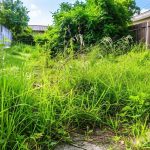
Landscaping is a natural and aesthetically pleasing way to dampen noise. Dense vegetation absorbs sound waves, making it ideal for urban or high-traffic areas.
Sound-absorbing plants like thick shrubs, evergreen trees, and hedges are most effective. Look for species with dense foliage, such as arborvitae, boxwood, or bamboo, which block and absorb noise. Grasses like pampas grass or ornamental grasses also contribute to noise reduction.
Designing a Layered Landscape
A multi-layered approach maximizes sound absorption. Plant taller trees (e.g., oak or pine) at the perimeter, followed by mid-height shrubs, and ground cover like ivy or creeping thyme. This layered design disrupts sound waves at different heights, creating a quieter environment.
Maintaining and Expanding the Greenery
Regular pruning ensures plants remain dense, while expanding greenery over time enhances noise reduction. Incorporate native plants to attract birds and insects, which further mask ambient noise.
Installing Soundproof Barriers and Panels
For targeted noise reduction, soundproof barriers and panels can be integrated into existing structures. These solutions are ideal for areas with persistent noise sources like traffic or neighbors.
Using Acoustic Panels
Outdoor acoustic panels are designed to withstand weather and absorb sound. Mount them on walls, pergolas, or freestanding frames. Look for panels with high NRC (Noise Reduction Coefficient) ratings, which indicate superior sound absorption.
Applying Mass-Loaded Vinyl
Mass-loaded vinyl (MLV) is a flexible, weather-resistant material that blocks sound. Attach it to fences, walls, or even garden sheds. Pair it with acoustic panels for enhanced performance, as MLV adds mass to disrupt sound transmission.
Creating Portable Sound Screens
Portable screens made of thick fabric or wooden slats can be placed near noise sources. These temporary barriers are ideal for renters or those testing noise-reduction strategies before committing to permanent solutions.
Creating Noise Buffers with Natural and Man-Made Structures
Noise buffers disrupt sound waves by creating physical or visual barriers. These methods work best when combined with landscaping or soundproofing materials.
Building Earth Berms
Earth berms are raised mounds of soil that block line-of-sight noise. Plant them with dense shrubs or grasses to amplify sound absorption. Berms are particularly effective against low-frequency noises like traffic rumble.
Utilizing Water Features
Water features like fountains or ponds mask noise with soothing sounds. The constant flow of water creates a white noise effect, drowning out disruptive sounds. Place them near seating areas for maximum impact.
Incorporating Sound-Absorbing Materials in Existing Structures
Enhance existing structures like patios or decks with sound-absorbing materials. Use cork underlayment under outdoor flooring or attach acoustic foam to walls. These modifications reduce reverberation and echo in open spaces.
By combining these methods, homeowners can create a quieter yard without sacrificing aesthetics. Strategic landscaping, targeted soundproofing, and creative use of natural buffers offer practical solutions for noise reduction, tailored to diverse budgets and spaces.
Allan is a lifelong gardening enthusiast who still gets excited when the first seedlings pop up in spring. With a deep love for nature and a hands-in-the-soil approach, he shares practical tips, plant discoveries, and clever tricks picked up over years of digging, planting, and observing. Whether you’re a new gardener or have a shed full of tools, Allan writes like a neighbor who’s always happy to swap cuttings and stories over the fence.
You can find more about Allan’s work on Malt or connect with him on LinkedIn.