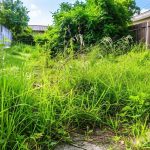
Thorny plants offer a dual-purpose solution for gardeners: they repel unwanted animals while adding beauty to outdoor spaces. These plants leverage natural defenses like sharp spines, strong aromas, and dense growth patterns to discourage dogs, deer, and other pests from entering gardens. Below, we explore five effective options that combine functionality with aesthetic appeal.
Thorny shrubs as natural barriers
Why dogs avoid thorny plants
Dogs instinctively avoid plants with sharp spines or dense foliage, as these create physical barriers and discomfort. Thorny shrubs like roses and bougainvillea are particularly effective because their thick, spiky growth makes it difficult for animals to pass through or dig near them.
Aesthetic benefits of roses and bougainvillea
Roses add classic elegance to gardens, with vibrant blooms in shades of red, pink, and white. Bougainvillea, known for its papery bracts in bold colors, thrives in warm climates and provides a striking visual contrast. Both plants require minimal maintenance once established, making them ideal for busy gardeners.
Practical tips for planting
- Position thorny shrubs along fence lines or near vulnerable garden areas.
- Trim regularly to maintain density and encourage new growth.
- Pair with flowering perennials for layered garden beds.
Boxwood hedges for structured defense
Dense growth patterns deter intruders
Boxwood hedges, though not inherently thorny, create impenetrable barriers when planted closely. Their compact foliage and slow growth rate make them ideal for formal gardens, while their lack of sharp spines reduces injury risks to curious animals.
Design versatility
Boxwood can be shaped into topiaries, borders, or standalone hedges. Its dark green foliage provides year-round interest and pairs well with flowering shrubs or ground covers.
Maintenance considerations
- Requires regular pruning to maintain shape.
- Susceptible to pests like boxwood leafminers; monitor for infestations.
- Thrives in partial shade and well-drained soil.

Aromatic herbs as scent-based repellents
Rosemary and mint: strong-smelling deterrents
Dogs dislike the intense oils in rosemary and mint, which release pungent aromas when disturbed. These herbs grow quickly, making them ideal for border plantings or container gardens.
Basil: a fragrant alternative
While less potent than rosemary or mint, basil’s sweet-savory scent still deters dogs. It grows easily in warm climates and adds fresh flavor to culinary dishes.
Strategic placement
- Plant herbs near entry points or along pathways.
- Combine with thorny shrubs for layered defense.
- Harvest regularly to encourage bushy growth.
Why marigolds repel pests
Marigolds emit a strong, bitter scent that dogs and deer find unappealing. Their bright orange and yellow blooms also attract beneficial insects, creating a balanced ecosystem.
Low-maintenance planting
- Thrive in poor soil and full sun.
- Self-seed easily, reducing the need for annual replanting.
- Pair with taller plants to create layered garden beds.
Design applications
- Use as a border plant to define garden edges.
- Incorporate into container gardens for portable defense.
- Combine with thyme or lavender for enhanced repellent effects.
Prickly pear cactus: desert beauty with bite
Spiny structure deters large animals
Prickly pear cacti feature thick, waxy pads covered in sharp spines. These plants are particularly effective against deer and larger pests, which avoid their painful barbs.
Adaptability and aesthetics
- Thrives in dry, sunny conditions with minimal watering.
- Produces vibrant flowers in spring and edible fruits in summer.
- Requires protective gloves when handling due to spines.
Landscape integration
- Plant in rock gardens or arid zones.
- Use as a focal point in drought-tolerant designs.
- Pair with succulents for a low-maintenance desert theme.
Thorny plants offer a sustainable alternative to chemical repellents, combining practical defense with aesthetic value. By selecting species suited to local climates and design goals, gardeners can create beautiful, pest-resistant outdoor spaces. Whether using roses for classic elegance or prickly pear for desert landscapes, these plants prove that functionality and beauty need not be mutually exclusive.

Allan is a lifelong gardening enthusiast who still gets excited when the first seedlings pop up in spring. With a deep love for nature and a hands-in-the-soil approach, he shares practical tips, plant discoveries, and clever tricks picked up over years of digging, planting, and observing. Whether you’re a new gardener or have a shed full of tools, Allan writes like a neighbor who’s always happy to swap cuttings and stories over the fence.
You can find more about Allan’s work on Malt or connect with him on LinkedIn.