The Mistake Gardeners Are Told to Avoid With Bird Feeders This July
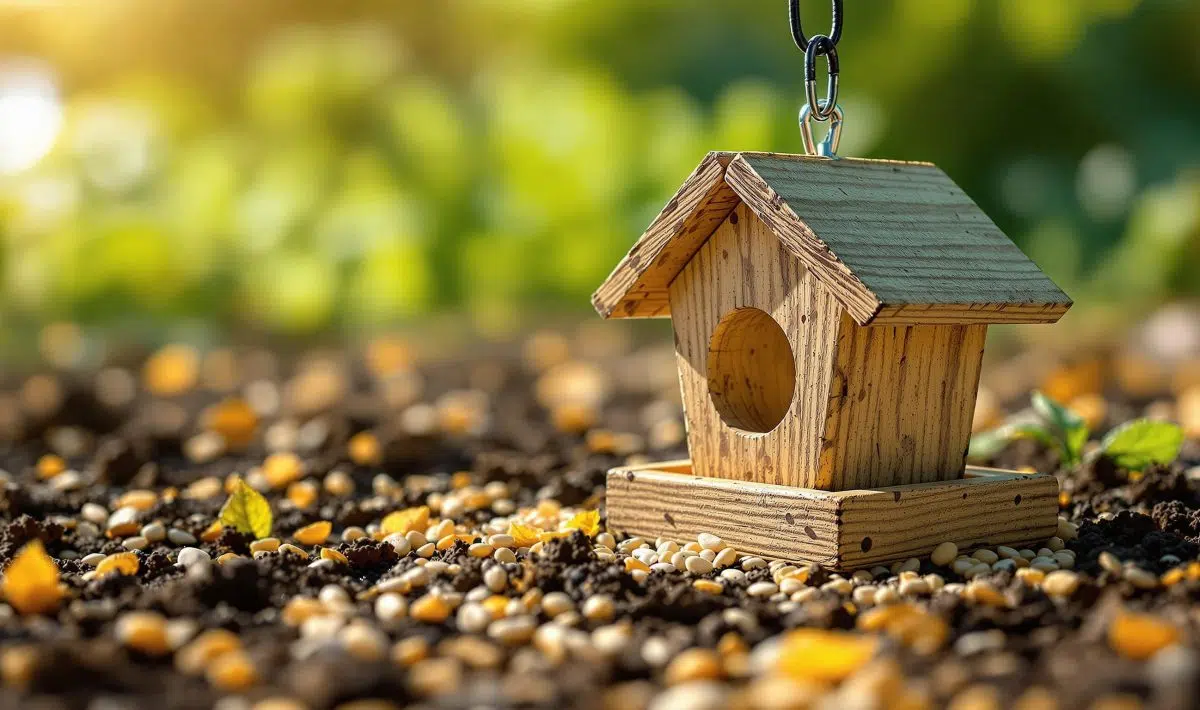
Bird feeders have become a popular way for gardeners to attract wildlife, but recent guidance warns against overfeeding during summer months. Experts highlight that excessive seed distribution disrupts natural foraging behaviors and increases disease risks.
Why too much seed is problematic
Birds naturally regulate their food intake based on environmental conditions. Summer months typically provide abundant insects, berries, and seeds, making supplemental feeding unnecessary. Overfeeding creates dependency, reducing birds’ incentive to forage naturally. This can weaken their survival skills and lead to overcrowding at feeders, increasing disease transmission risks like Salmonella and Trichomonosis.
How to adjust feeding quantities
Gardeners should monitor feeder usage and refill only when necessary. A general rule is to provide enough seed for one day’s consumption. For example, a small feeder might hold 1-2 cups of seed, which should last 24 hours for a moderate number of visitors.
Many gardeners make the mistake of installing only one type of feeder, which attracts a narrow range of species. Different birds have distinct feeding preferences and physical requirements that require varied feeder designs.
Feeder types and their target species
Tube feeders: Ideal for small birds like finches and sparrows, which can perch while eating.
Platform feeders: Better for larger birds such as doves and woodpeckers that need more space.
Suet feeders: Attract woodpeckers and nuthatches that prefer high-energy fat.
Nectar feeders: Essential for hummingbirds that rely on sugar-water solutions.
Strategic feeder placement
Feeders should be positioned in predator-safe zones. Hanging them on isolated tree branches allows birds to retreat quickly if threatened. Avoid placing feeders near dense shrubs or fences where cats and squirrels can ambush.
Summer feeding recommendations spark debate
Conservation organizations like SongBird Survival are urging gardeners to stop feeding birds during summer months. This advice challenges traditional practices and highlights unintended ecological consequences.
The case against summer feeding
Natural food abundance: Insects and fruits are plentiful in summer, making supplemental feeding redundant.
Disease risks: Crowded feeders increase pathogen transmission among birds.
Behavioral impacts: Over-reliance on feeders can disrupt migratory patterns and social structures.
Water as a safer alternative
Providing fresh water becomes critical during heatwaves. Shallow dishes with fresh water and rocks for perching help birds stay hydrated. Changing water daily prevents mosquito breeding and bacterial growth.
Leaving specific fruits supports bird nutrition
While reducing seed offerings, gardeners can still support birds by leaving certain fruits. Experts recommend apples and pears as ideal summer offerings.
Why apples and pears work
Easy access: These fruits are soft enough for birds to peck at without needing specialized tools.
Nutrient balance: They provide carbohydrates and moisture without the risks associated with processed seed mixes.
Cost-effective: Both fruits are affordable and widely available, often costing around 50p per piece.
Proper fruit presentation
Place fruits on a platform feeder or tray to avoid attracting pests. Remove seeds and pits to prevent choking hazards. Rotate fruits every 2-3 days to maintain freshness and prevent mold.
Balancing bird support with ecological responsibility
The shift toward water and fruit offerings reflects a broader movement toward sustainable wildlife gardening. This approach acknowledges that human interventions must align with natural cycles to avoid unintended harm.
Key considerations for responsible bird support
Seasonal adjustments: Tailor offerings to match birds’ natural needs (e.g., seeds in winter, water in summer).
Disease prevention: Clean feeders regularly and avoid overcrowding.
Habitat creation: Plant native flowers and shrubs to provide year-round food sources.
By adopting these strategies, gardeners can create bird-friendly environments that prioritize both avian health and ecosystem balance.
Allan is a lifelong gardening enthusiast who still gets excited when the first seedlings pop up in spring. With a deep love for nature and a hands-in-the-soil approach, he shares practical tips, plant discoveries, and clever tricks picked up over years of digging, planting, and observing. Whether you’re a new gardener or have a shed full of tools, Allan writes like a neighbor who’s always happy to swap cuttings and stories over the fence.
You can find more about Allan’s work on Malt or connect with him on LinkedIn.
12 Replies to “The Mistake Gardeners Are Told to Avoid With Bird Feeders This July”
I messed up once by letting seed get moldy under the feeder. it made some birds sick. now i make sure to clean nearby spots regularly. live and learn!
Does using feeders less in summer help encourage more natural foraging habits for the birds?
Love this tip! it’s crucial to watch out for feeder hygiene this july. clear advice for keeping our feathered friends safe and happy. happy birdwatching, everyone! 🐦
Any tips for cleaning bird feeders to reduce disease risks during summer?
Totally agree with this! keeping bird feeders clean is so important. it’s easy to overlook but it makes such a difference for our feathered friends, especially in the summer! 🌼🕊️
Very helpful!
How can we find the right balance in feeding birds during summer without disrupting their natural habits or increasing disease risk?
Great tip, thanks!
Never knew hot weather could affect bird feeders like that. i’ll keep an eye on mine this summer, thanks for the tip!
Love these gardening tips! makes observing birds in the garden even more rewarding. nature’s joy, right in our backyard! 🐦🌻
One july i left my bird feeder out during a heatwave and it turned into a sticky mess. the seeds started to spoil, and i think some of them fermented! let’s just say the birds were acting funny… learned to clean it more often!
How often should we refill bird feeders in summer to ensure we’re not overfeeding and disrupting birds’ natural habits?





I messed up once by letting seed get moldy under the feeder. it made some birds sick. now i make sure to clean nearby spots regularly. live and learn!
Does using feeders less in summer help encourage more natural foraging habits for the birds?
Love this tip! it’s crucial to watch out for feeder hygiene this july. clear advice for keeping our feathered friends safe and happy. happy birdwatching, everyone! 🐦
Any tips for cleaning bird feeders to reduce disease risks during summer?
Totally agree with this! keeping bird feeders clean is so important. it’s easy to overlook but it makes such a difference for our feathered friends, especially in the summer! 🌼🕊️
Very helpful!
How can we find the right balance in feeding birds during summer without disrupting their natural habits or increasing disease risk?
Great tip, thanks!
Never knew hot weather could affect bird feeders like that. i’ll keep an eye on mine this summer, thanks for the tip!
Love these gardening tips! makes observing birds in the garden even more rewarding. nature’s joy, right in our backyard! 🐦🌻
One july i left my bird feeder out during a heatwave and it turned into a sticky mess. the seeds started to spoil, and i think some of them fermented! let’s just say the birds were acting funny… learned to clean it more often!
How often should we refill bird feeders in summer to ensure we’re not overfeeding and disrupting birds’ natural habits?