Don’t water like this: common irrigation habits that harm your plants
Don’t water like this: common irrigation habits that harm your plants
Proper irrigation is critical for plant health, but many gardeners inadvertently harm their plants through poor watering practices. Overwatering, inadequate drainage, and faulty irrigation systems are among the most damaging habits, leading to root rot, nutrient depletion, and pest infestations. This article explores the most harmful irrigation mistakes and offers actionable solutions to protect your garden.
Overwatering is the most common—and destructive—irrigation mistake. Excess moisture drowns roots, causing them to rot and leaving plants vulnerable to disease. Stagnant water also attracts pests like mosquitoes and creates breeding grounds for fungal pathogens.
Plants need oxygen in their soil to thrive. When water pools around roots, it displaces air, suffocating the plant. This is particularly problematic in poorly drained areas or containers without proper drainage holes. For example, vegetables like tomatoes and peppers are prone to root rot in waterlogged soil.
Nutrient Leaching and Soil Degradation
Excess water washes away essential nutrients, leaving soil depleted. This forces plants to work harder to absorb remaining nutrients, weakening their growth. Overwatering also disrupts soil structure, causing erosion and compaction.
Fungal Diseases and Pest Attraction
Moist environments promote fungal growth, such as powdery mildew and leaf spot. These diseases spread quickly in wet conditions, damaging foliage and reducing yields. Overwatering also attracts pests like slugs and snails, which thrive in damp environments.
Poor Drainage: A Recipe for Disaster
Even with proper watering, poor drainage can doom plants. Soil that doesn’t drain effectively traps water, mimicking the effects of overwatering. This is especially true in regions with heavy clay soils or flat landscapes.
Soil Composition and Elevation Issues
Heavy clay soils retain water longer than sandy or loamy soils. If your garden lacks slope or raised beds, water pools at the base, creating soggy conditions. This is exacerbated in areas with frequent rainfall or high humidity.
Mulching Missteps
While mulch retains moisture, improper application can worsen drainage. Thick layers of mulch block water from penetrating the soil, or conversely, decompose into a water-repellent layer. This creates a paradox: plants receive too much or too little water depending on mulch depth and type.
Irrigation System Failures: Hidden Hazards
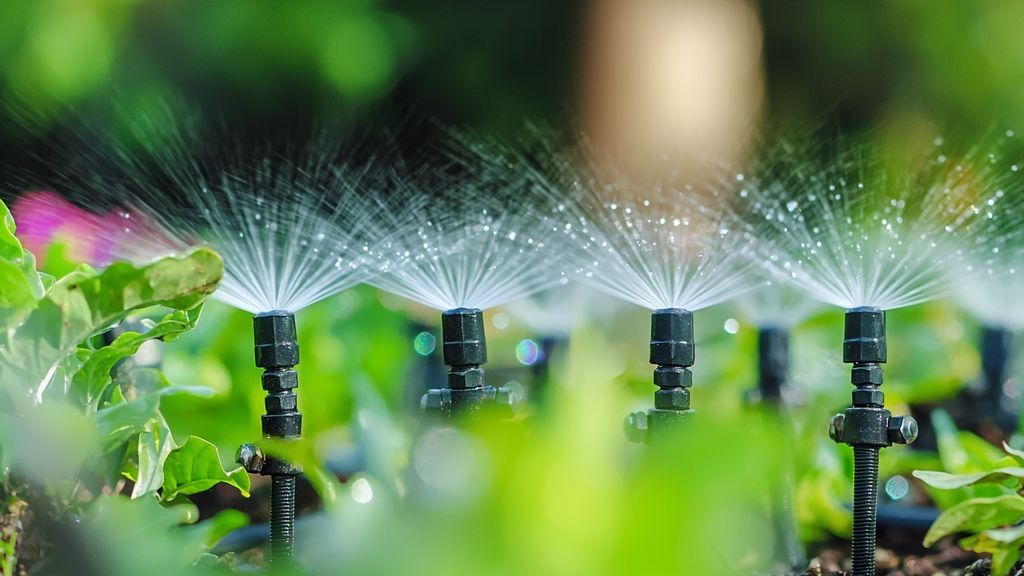
Drip irrigation and sprinkler systems are efficient but prone to issues that undermine their effectiveness. Clogged emitters, pressure imbalances, and poor maintenance are common problems that lead to uneven watering.
Blocked Lines and Emitters
Debris, mineral buildup, and algae clog drip irrigation lines and emitters. Pinched feeder lines further restrict water flow, leaving some plants parched while others drown. For example, a buried leak in a supply line can go unnoticed until plants show stress, as seen in the Edible Demo Garden’s recent troubleshooting efforts.
Low Water Pressure and System Limits
Drip systems operate at 15–25 psi, far below household pressure. Without a pressure regulator, water surges damage components. Long supply lines or excessive emitters per zone also reduce pressure, leaving end-of-line plants underwatered. A 200-foot limit for ½” supply lines and 200 emitters per line is recommended to maintain flow.
Maintenance Neglect
Failing to inspect and clean irrigation systems regularly allows problems to escalate. Algae growth in stagnant water and mineral deposits from hard water sources clog emitters over time. Seasonal flushing and filter replacements are essential to prevent these issues.
Plant Selection and Climate Mismatches
Choosing plants unsuited to your climate exacerbates irrigation challenges. For example, drought-tolerant succulents rot in humid environments, while moisture-loving ferns struggle in arid climates. This mismatch forces gardeners to overwater or underwater, stressing plants.
Hardiness Zone Ignorance
Plants thrive in specific temperature and precipitation ranges. Ignoring hardiness zones leads to plants that require excessive watering to survive. Native species or climate-adapted varieties reduce irrigation demands and improve resilience.
Soil Type and Plant Needs
Different plants prefer different soil moisture levels. For instance, cacti thrive in dry, sandy soils, while ferns need consistently moist, humus-rich soil. Pairing plants with complementary water needs in the same bed minimizes irrigation conflicts.
Mulching and Fertilizing Pitfalls
Mulch and fertilizer are essential tools but can backfire if misapplied. Overmulching traps moisture, while overfertilizing burns roots and disrupts soil balance. These mistakes compound irrigation errors, stressing plants further.
Mulch Depth and Material
A 2–3 inch layer of organic mulch (like wood chips or straw) retains moisture without suffocating roots. Inorganic mulches (plastic or gravel) repel water, drying out soil. Decomposing mulch can also release toxins, harming plants.
Fertilizer Overload
Excessive fertilizer burns roots and disrupts soil pH. Most vegetables require balanced fertilizers (e.g., 10-10-10 NPK) applied sparingly. Heavy feeders like melons need more nutrients, but overapplication wastes resources and harms plants.
Weed Management and Transplant Shock
Weeds compete with plants for water and nutrients, while transplant shock from improper hardening off worsens irrigation stress. These secondary issues amplify the damage of poor watering practices.
Weed Infestations
Weeds like dandelions and clover outcompete crops for resources. They absorb water and nutrients, forcing gardeners to overwater to compensate. Regular weeding and mulching suppresses weed growth, reducing irrigation demands.
Transplant Shock Prevention
Plants started indoors need gradual acclimation to outdoor conditions. Sudden exposure to sunlight and wind causes sunscald and wilting, increasing their need for water. A 7–10 day hardening-off period minimizes shock.
Solutions for Sustainable Irrigation
Addressing these issues requires a combination of smart practices and system upgrades. Below are actionable steps to optimize watering and protect plants.
Precision Watering Techniques
Soil Testing: Check moisture by inserting a finger into the soil up to the knuckle. Water only when the top inch feels dry.
Drip Irrigation: Use emitters spaced 12–18 inches apart for even distribution. Replace clogged emitters and flush lines seasonally.
Rain Sensors: Install sensors to pause irrigation during rainfall, preventing overwatering.
Drainage Improvements
Raised Beds: Elevate beds 6–8 inches to improve water flow.
Trenching: Dig shallow trenches around plants to direct excess water away.
Soil Amendments: Mix in compost or sand to lighten clay soils and enhance drainage.
System Maintenance
Pressure Regulators: Install regulators to reduce household water pressure to 15–25 psi for drip systems.
Filter Replacements: Clean or replace filters every 3–6 months to prevent clogs.
Zone Limitations: Keep ½” supply lines under 200 feet and limit emitters to 200 per line.
Irrigation mistakes often stem from well-intentioned but misguided practices. By understanding the risks of overwatering, poor drainage, and system failures, gardeners can adopt targeted solutions. Prioritizing plant-appropriate watering, regular system maintenance, and soil optimization ensures healthier plants and a more sustainable garden.
Allan is a lifelong gardening enthusiast who still gets excited when the first seedlings pop up in spring. With a deep love for nature and a hands-in-the-soil approach, he shares practical tips, plant discoveries, and clever tricks picked up over years of digging, planting, and observing. Whether you’re a new gardener or have a shed full of tools, Allan writes like a neighbor who’s always happy to swap cuttings and stories over the fence.
You can find more about Allan’s work on Malt or connect with him on LinkedIn.