Easy DIY Drip Irrigation System To Save Time and Water In Your Garden
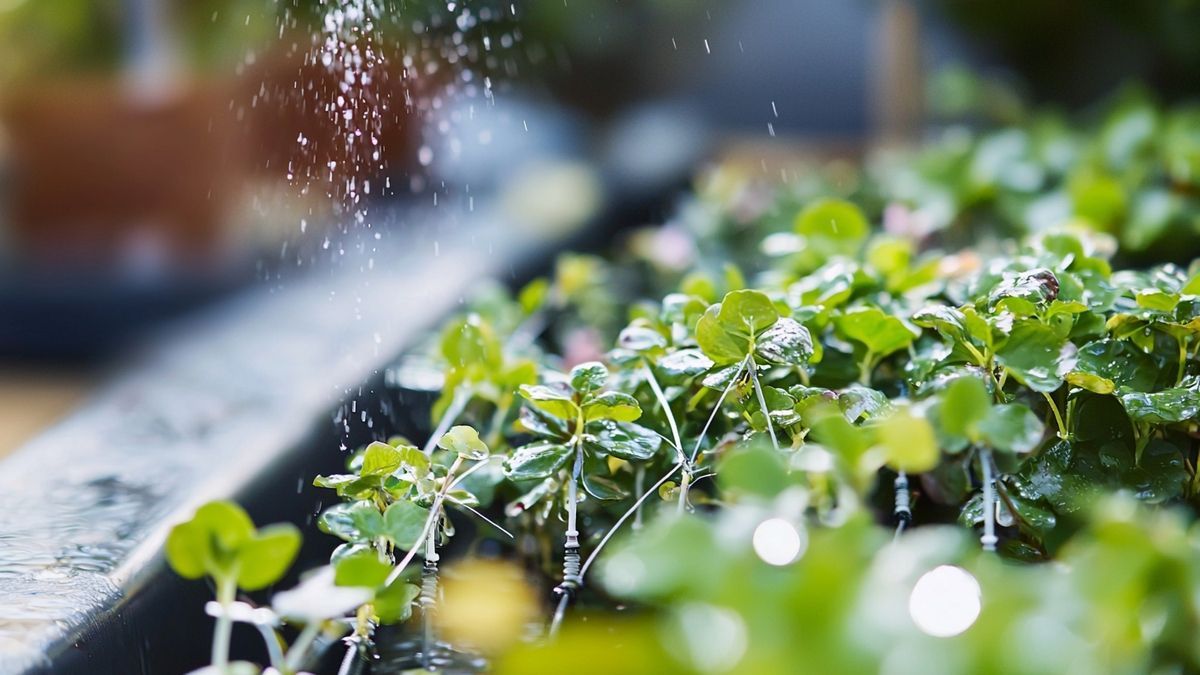
As climate change intensifies and water scarcity becomes a global concern, gardeners are increasingly turning to drip irrigation systems to optimize water use. These systems deliver water directly to plant roots, reducing evaporation and runoff compared to traditional sprinklers or hoses. For homeowners and small-scale farmers, DIY solutions using recycled materials offer an affordable entry point into sustainable gardening.
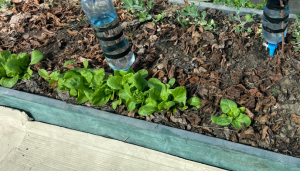
Drip irrigation systems minimize water waste by targeting roots rather than saturating entire beds. This method aligns with growing awareness of water conservation needs, particularly in drought-prone regions. A single plastic bottle-based system, for example, can water multiple plants with minimal water loss.
Efficiency Over Traditional Methods
Unlike overhead sprinklers, which lose up to 50% of water to evaporation, drip systems maintain water efficiency by delivering moisture slowly and directly. This precision is especially valuable for plants with deep root systems, such as tomatoes or cucumbers.
Building Your System: Step-by-Step Guide
Creating a DIY drip irrigation system requires minimal tools and materials, making it accessible to gardeners of all skill levels. Below is a detailed breakdown of the process.
Gathering Materials
The core components include:
Plastic bottle (2-liter or larger)
Cotton string (thicker strands allow more water flow)
Wire (for securing the string)
Knife or drill (for creating holes)
Optional: Bottle cap (to prevent debris)
Assembling the Bottle Reservoir
Prepare the bottle: Clean and dry the plastic bottle thoroughly.
Create the drip mechanism:
Tie a knot at one end of the cotton string to prevent it from slipping into the bottle.
Insert the knotted end through the bottle’s neck, leaving 6–15 cm (2.5–6 inches) hanging inside. This excess string ensures consistent water flow.
Secure the string:
Wrap the wire around the bottle’s neck to hold the string in place.
Trim excess string from the top, ensuring the knot remains submerged.
Setting Up the Drip Mechanism
Drill or cut a hole: Create a 1 cm × 1 cm hole on the bottle’s side to thread the string through.
Position the system: Place the bottle above the plants, using the wire to direct the string to the desired location.
Test the flow: Fill the bottle with water and observe the drip rate. Adjust the string’s thickness or the bottle’s height to control water delivery.
Customizing for Different Plants
High-water plants (e.g., squash, melons): Use thicker cotton strings to increase flow.
Low-water plants (e.g., herbs, succulents): Opt for thinner strings or elevate the bottle slightly to slow drips.
Optimizing Performance and Maintenance
A well-maintained drip system can last for months, but regular upkeep is essential to prevent clogs and ensure optimal water distribution.
Adjusting Water Flow for Plant Needs
Seasonal adjustments: Increase flow during hot weather or decrease it during cooler months.
Soil type: Sandy soils require faster drips, while clay soils benefit from slower, deeper saturation.
Regular Maintenance Tips
Clean the system: Remove debris from the bottle and string monthly.
Check for blockages: Inspect the string for mineral buildup or insect nests.
Replace components: Swap out worn strings or bottles every 3–6 months.
Common Challenges and Solutions
While DIY drip systems are user-friendly, gardeners may encounter issues that require troubleshooting.
Dealing with Clogs and Blockages
Problem: Mineral deposits or algae buildup in the string.
Solution: Soak the string in vinegar or replace it with a new cotton strand.
Managing Pests and Debris
Problem: Bugs entering the bottle or debris clogging the hole.
Solution: Reattach the bottle cap or cover the hole with a fine mesh screen.
DIY drip irrigation systems offer a practical solution for gardeners seeking to reduce water waste and nurture healthier plants. By repurposing household items like plastic bottles and cotton strings, users can create a functional system at minimal cost. As water scarcity challenges intensify, these systems not only save resources but also empower gardeners to grow sustainably, regardless of their budget or expertise.
Allan is a lifelong gardening enthusiast who still gets excited when the first seedlings pop up in spring. With a deep love for nature and a hands-in-the-soil approach, he shares practical tips, plant discoveries, and clever tricks picked up over years of digging, planting, and observing. Whether you’re a new gardener or have a shed full of tools, Allan writes like a neighbor who’s always happy to swap cuttings and stories over the fence.
You can find more about Allan’s work on Malt or connect with him on LinkedIn.