Every gardener I know does this between April 24 and 29
Gardeners worldwide prioritize specific tasks between April 24 and 29 to optimize growing conditions. This period often marks the transition from early spring to late spring, requiring targeted actions like soil preparation, seed starting, and pest management. Local events and workshops during this timeframe provide critical guidance for both novice and experienced growers.
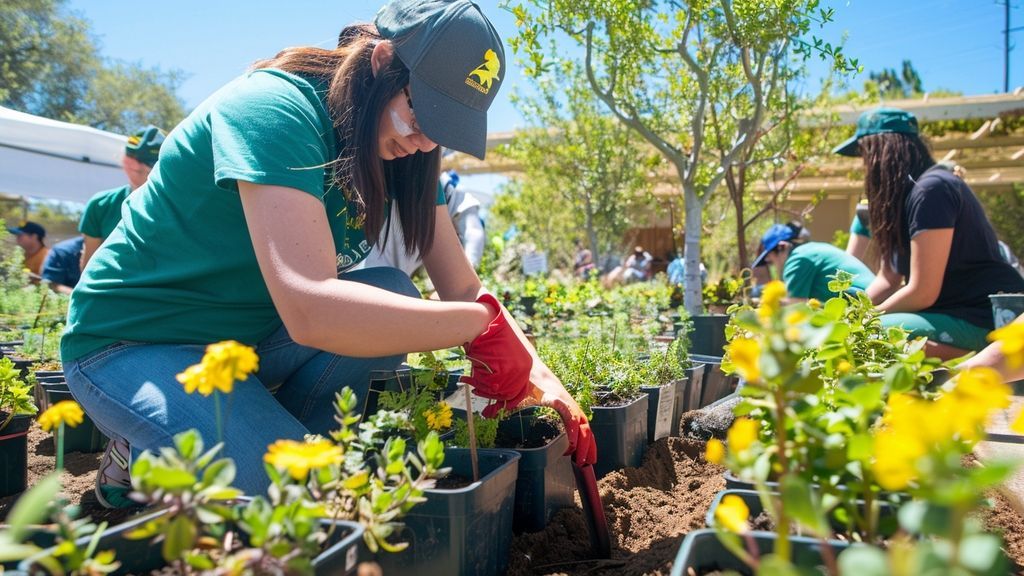
Many gardeners begin transplanting seedlings to outdoor beds during this window. For crops like tomatoes and peppers, hardening off seedlings over 7–10 days ensures they adapt to outdoor conditions. Urban Roots Teaching Farm in Nevada emphasizes seasonal activities like planting and harvesting, aligning with this period’s focus on transitioning plants.
Transplanting seedlings
Weather patterns in late April often stabilize, making it ideal for moving seedlings to permanent locations. The UC Master Gardeners of Calaveras County recommend checking soil temperatures and avoiding frost-prone nights when transplanting.
Soil preparation and maintenance
Soil health is critical during this period, as plants demand nutrients for rapid growth.
Testing soil pH and nutrients
Gardeners typically test soil pH and nutrient levels in late April to adjust fertilization plans. The UC Master Gardeners program offers workshops on soil testing and organic amendments, which are particularly relevant during this timeframe.
Adding compost and mulch
Incorporating compost improves soil structure, while mulching retains moisture and suppresses weeds. Many gardeners apply these practices between April 24–29 to prepare beds for warm-season crops.
Pest control and disease management
As temperatures rise, pests and diseases become more active.
Monitoring for common pests
Aphids, slugs, and snails often emerge in late April. Gardeners implement organic controls like neem oil and copper barriers during this period. Workshops hosted by organizations like the UC Master Gardeners provide hands-on training for integrated pest management.
Preventing fungal diseases
Cool, wet conditions in early spring can lead to fungal outbreaks. Removing infected plants and improving air circulation are key strategies. The UCCE Master Food Preservers program sometimes addresses disease prevention in their seasonal guides.
Community events and workshops
Local gardening events during this period offer education and networking opportunities.
Attending master gardener workshops
The UC Master Gardeners of Calaveras County frequently host events in late April, covering topics like drought-resistant planting and pollinator support. These sessions often include hands-on demonstrations.
Participating in farm tours
Urban Roots Teaching Farm in Nevada conducts seasonal tours that include planting and harvesting activities. These events align with the late April focus on transitioning crops to outdoor environments.
Seasonal activities and harvest planning
Gardeners balance current tasks with planning for future harvests.
Planting warm-season crops
Crops like zucchini, beans, and corn thrive when planted after the last frost. The planting calendar for Camas, MT, suggests starting seeds outdoors for these crops around late April, though dates vary by region.
Planning for succession planting
Late April is ideal for scheduling subsequent plantings of lettuce, radishes, and herbs. This strategy ensures continuous harvests throughout the growing season.
Adapting to regional conditions
Gardening practices vary significantly by climate zone.
Adjusting for frost risks
In cooler regions, gardeners may delay transplanting until after April 29 to avoid frost damage. The Calaveras Events Calendar highlights local frost dates and weather-related workshops.
Managing drought-prone areas
In dry climates, deep watering and mulching become critical during this period. The UC Master Gardeners program often addresses water conservation techniques in their late spring workshops.
Leveraging technology and resources
Modern tools enhance gardening efficiency and success.
Using planting calendars
Online tools like the Almanac planting calendar for Camas, MT, provide moon-based planting dates and frost warnings. These resources help gardeners time activities precisely.
Engaging with online communities
Social media groups and forums share real-time advice on pest control, soil amendments, and crop selection. The UC Master Gardeners’ social media channels often feature timely tips during peak growing seasons.
The period between April 24 and 29 serves as a pivotal moment for gardeners to transition from early spring tasks to summer preparations. By focusing on soil health, pest management, and community resources, growers optimize their chances of a successful harvest. Local events and workshops provide essential guidance, while regional adaptations ensure strategies align with specific climate conditions.
Allan is a lifelong gardening enthusiast who still gets excited when the first seedlings pop up in spring. With a deep love for nature and a hands-in-the-soil approach, he shares practical tips, plant discoveries, and clever tricks picked up over years of digging, planting, and observing. Whether you’re a new gardener or have a shed full of tools, Allan writes like a neighbor who’s always happy to swap cuttings and stories over the fence.
You can find more about Allan’s work on Malt or connect with him on LinkedIn.