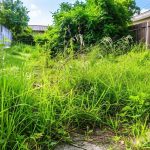
How To create a green relaxation island in your yard…even in small spaces
Creating a green relaxation island in your yard, even in small spaces, is achievable through strategic design and plant selection. As urban living spaces shrink, homeowners increasingly seek ways to transform limited outdoor areas into serene retreats. This trend reflects a broader cultural shift toward prioritizing mental health and well-being through nature connection. By leveraging vertical gardening, multi-functional furniture, and carefully curated plant choices, anyone can craft a tranquil oasis regardless of yard size.
Small yards require creative spatial planning to balance functionality and aesthetics. Key strategies include optimizing vertical space, integrating storage into seating, and using tiered layouts to create visual depth.
Vertical gardening is a cornerstone of small-space design. Wall-mounted planters, trellises, and living walls allow plants to thrive without occupying ground space. For example, hanging baskets filled with begonias or trailing herbs can add color and texture to walls or fences. YouTube tutorials demonstrate how to layer tropical plants like palms and banana leaves in compact arrangements, creating lush greenery that feels expansive.
Combining Functionality with Aesthetics
Seating solutions that double as storage are essential for small spaces. Corner benches with built-in compartments or lift-top tables provide hidden storage for cushions, gardening tools, or outdoor decor. This approach eliminates clutter while maintaining a clean, minimalist aesthetic.
Selecting the Right Plants for Small Spaces
Plant choice significantly impacts the ambiance and maintenance of a relaxation zone. Focus on low-maintenance species, long-blooming varieties, and tropical elements to create a vibrant yet sustainable environment.
Choosing Long-Season Bloomers
Plants with extended flowering periods maximize visual interest year-round. Repeat-flowering roses like Rosa ‘Flower Carpet Amber’ bloom for eight months, while hardy geraniums and Erysimum ‘Bowles’s Mauve’ provide summer-long color. For shaded areas, ferns or hostas add lush foliage without requiring frequent replanting.
Incorporating Tropical Elements
Tropical plants like palms, banana leaves, and bird of paradise bring exotic flair to small spaces. These species thrive in containers and can be arranged in layered groupings to mimic island landscapes. YouTube creators showcase compact arrangements using palms and ferns to create dense, immersive greenery.
Creating a Multi-Sensory Experience
A relaxation zone should engage multiple senses to enhance tranquility. Water features, textural contrasts, and scented plants work synergistically to create an immersive environment.
Incorporating Water Features
Small water elements like birdbaths, mini fountains, or self-contained ponds introduce soothing sounds. Even a shallow dish with moving water can attract birds and insects, adding auditory and visual interest. For tight spaces, consider solar-powered fountains that operate without electricity.
Adding Textural Elements
Mixing plant textures and materials enhances tactile engagement. Velvety succulents, wispy grasses, and broad-leaved tropical plants create contrast. Incorporate natural materials like reclaimed wood or stone pathways to ground the space and add warmth.
Designing for Privacy and Ambiance
Privacy and lighting are critical for transforming a yard into a retreat. Screens, hedges, and strategic lighting help block outside views and extend usable hours.
Using Screens and Hedges
Bamboo screens, trellises with climbing vines, or dwarf shrubs like boxwood create visual barriers. These elements also serve as supports for flowering plants, doubling their utility. The BBC Gardeners World recommends dividing small spaces with screens to create distinct zones, making the area feel larger.
Lighting for Evening Use
Solar-powered string lights or LED lanterns illuminate pathways and highlight plants at night. Candlelit tables or fire pits (where permitted) extend the relaxation zone’s usability into the evening.
Budget-Friendly Implementation Tips
Creating a relaxation island doesn’t require significant investment. Repurposed materials, seasonal plants, and DIY projects make the process accessible.
Repurposing Household Items
Old pallets can become vertical planters, while plastic containers transform into self-watering planters. YouTube tutorials demonstrate how to build benches from reclaimed wood or use mason jars for hanging herb gardens.
Seasonal Plant Rotation
Switching out bedding plants seasonally keeps the space dynamic. Spring bulbs, summer annuals, and fall foliage ensure year-round interest without long-term commitments.
Case Studies and Inspiration
Real-world examples highlight the versatility of small-space design. A Pinterest showcase features a modern luxury backyard with a compact pool, outdoor kitchen, and lush greenery, proving high-end aesthetics are achievable in limited areas. YouTube creators demonstrate how to layer tropical plants in corners, using palms and ferns to create dense, immersive environments.
Transforming a small yard into a green relaxation island requires creativity, strategic plant selection, and multi-functional design. By prioritizing vertical space, long-blooming plants, and sensory elements, homeowners can craft a tranquil retreat that enhances mental well-being and outdoor living. Whether through tropical-inspired arrangements or minimalist layouts, the key lies in balancing functionality with natural beauty to create a personal sanctuary.
Allan is a lifelong gardening enthusiast who still gets excited when the first seedlings pop up in spring. With a deep love for nature and a hands-in-the-soil approach, he shares practical tips, plant discoveries, and clever tricks picked up over years of digging, planting, and observing. Whether you’re a new gardener or have a shed full of tools, Allan writes like a neighbor who’s always happy to swap cuttings and stories over the fence.
You can find more about Allan’s work on Malt or connect with him on LinkedIn.