
Assessing the damage
Winter can be particularly harsh on lavender plants, causing them to become stressed, discolored, or even die back. The first step in reviving winter-damaged lavender is to assess the extent of the damage. This involves checking for signs of life, such as green shoots or buds, and identifying any dead or damaged areas that need attention.
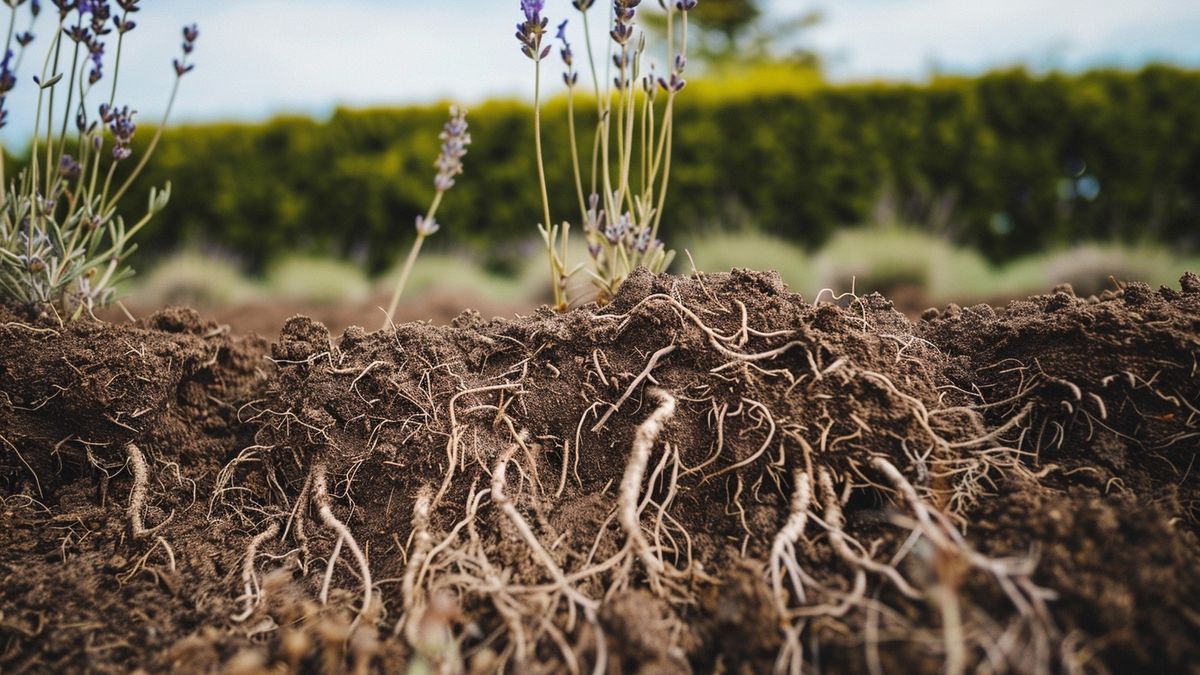
To evaluate the condition of your lavender, gently inspect the stems and roots. If the stems are brittle and break easily, they may be dead. However, if there are green shoots or buds, the plant is likely still viable. It’s also important to check the soil condition, as soil moisture and drainage play crucial roles in the health of lavender plants.
Identifying common issues
Common problems with lavender
Lavender plants are susceptible to several issues during the winter months, including:
- Root rot: This occurs when the soil is too moist, causing the roots to decay. Lavender prefers well-draining soil to prevent waterlogged conditions.
- Frost damage: Lavender can be sensitive to extreme cold, leading to dieback or discoloration.
- Pests and diseases: Winter conditions can make lavender more vulnerable to pests like aphids and diseases such as root rot.
Addressing these issues
To address these problems, ensure that your lavender is planted in a location with good drainage and protection from extreme cold. If you suspect root rot, inspect the roots carefully and trim any damaged areas. For frost damage, prune back dead stems to encourage new growth.
Reviving winter-damaged lavender
Pruning techniques
Pruning is a crucial step in reviving winter-damaged lavender. It helps remove dead or damaged parts, promotes healthy growth, and encourages the plant to produce new shoots.
- Prune in the spring: Wait until new growth begins to appear before pruning. This ensures you don’t cut back any living stems.
- Cut back dead stems: Use clean, sharp tools to remove dead or damaged stems down to the base of the plant.
- Promote root development: In the first year of planting, prune lavender buds to encourage root growth.
Soil care
Lavender thrives in well-draining soil with a slightly alkaline pH. To improve soil conditions:
- Add organic matter: Mix in compost or well-rotted manure to enhance soil structure and fertility.
- Check pH levels: Ensure the soil pH is between 6.0 and 7.0, as lavender prefers slightly alkaline conditions.
Watering strategies
Lavender is drought-tolerant but may need more frequent watering during the recovery phase. However, avoid overwatering, which can lead to root rot.
- Water sparingly: Water only when the soil feels dry to the touch.
- Avoid wetting leaves: Water at the base of the plant to prevent moisture from accumulating on the leaves and stems.
Providing optimal conditions
Sunlight and positioning
Lavender requires full sun to thrive. Ensure your plants receive at least six hours of direct sunlight per day. If your lavender is in a shaded area, consider relocating it to a sunnier spot.
Mulching and protection
Mulching around the base of the plant can help retain moisture and protect the roots from extreme temperatures. However, avoid mulching too close to the stems to prevent moisture buildup.
- Use organic mulch: Materials like wood chips or straw are effective for retaining moisture without causing rot.
- Protect from wind: If your area experiences strong winds, provide some protection using burlap or a windbreak to prevent damage.
Using essential oils for plant health
While essential oils are not directly used to revive lavender plants, they can be beneficial for overall garden health. For example, lavender essential oil can be used in pest control or to promote relaxation in gardeners. However, its direct application to plants is not recommended without proper dilution and testing.
Reviving winter-damaged lavender requires careful assessment, pruning, and attention to soil and environmental conditions. By following these steps and providing optimal care, you can help your lavender plants recover and thrive once again. Remember, patience is key, as recovery may take time. With proper care and attention, your lavender should regain its vibrant color and fragrance.

Allan is a lifelong gardening enthusiast who still gets excited when the first seedlings pop up in spring. With a deep love for nature and a hands-in-the-soil approach, he shares practical tips, plant discoveries, and clever tricks picked up over years of digging, planting, and observing. Whether you’re a new gardener or have a shed full of tools, Allan writes like a neighbor who’s always happy to swap cuttings and stories over the fence.
You can find more about Allan’s work on Malt or connect with him on LinkedIn.


