How To Start A No-Dig Garden For Effortless Vegetables All Season
No-dig gardening is a low-effort approach that prioritizes soil preservation over traditional tilling. By avoiding physical disturbance, this method protects soil structure and microbial life, fostering healthier ecosystems. It’s particularly effective for urban gardeners seeking sustainable practices with minimal labor.
No-dig gardening eliminates tilling, plowing, or digging. Instead, it relies on layering organic materials to build soil fertility and suppress weeds. This approach mimics natural processes, allowing soil organisms like earthworms and fungi to thrive.
Key Benefits of the No-Dig Approach
Reduced soil erosion: Undisturbed soil retains moisture and nutrients better than tilled land.
Time efficiency: Initial setup requires effort, but maintenance becomes minimal over time.
Climate resilience: Healthier soils sequester carbon and withstand droughts more effectively.
Before building a no-dig garden, assess your soil’s condition and amend it with organic materials.
Assessing Existing Soil Conditions
Test your soil’s pH and nutrient levels to identify deficiencies. Degraded or compacted soils benefit most from no-dig methods, as they allow gradual improvement through mulching.
Adding Organic Matter
Compost: Apply 6 inches (15 cm) of nutrient-rich compost to create a fertile growing medium.
Manure: Use horse or chicken manure for rapid nutrient release, though ensure it’s fully composted to avoid burning plants.
Avoid peat moss: Opt for willow compost or other high-carbon materials to reduce CO₂ emissions.
Building Your Garden Beds
Constructing no-dig beds involves layering materials to suppress weeds and retain moisture.
Layering Materials for Weed Suppression
Cardboard base: Lay sheets of cardboard directly on the ground to block light and kill existing weeds.
Compost layer: Spread 6 inches of compost over the cardboard to provide nutrients and improve soil structure.
Mulch topping: Add wood chips or straw to retain moisture and regulate temperature.
Creating Pathways for Access
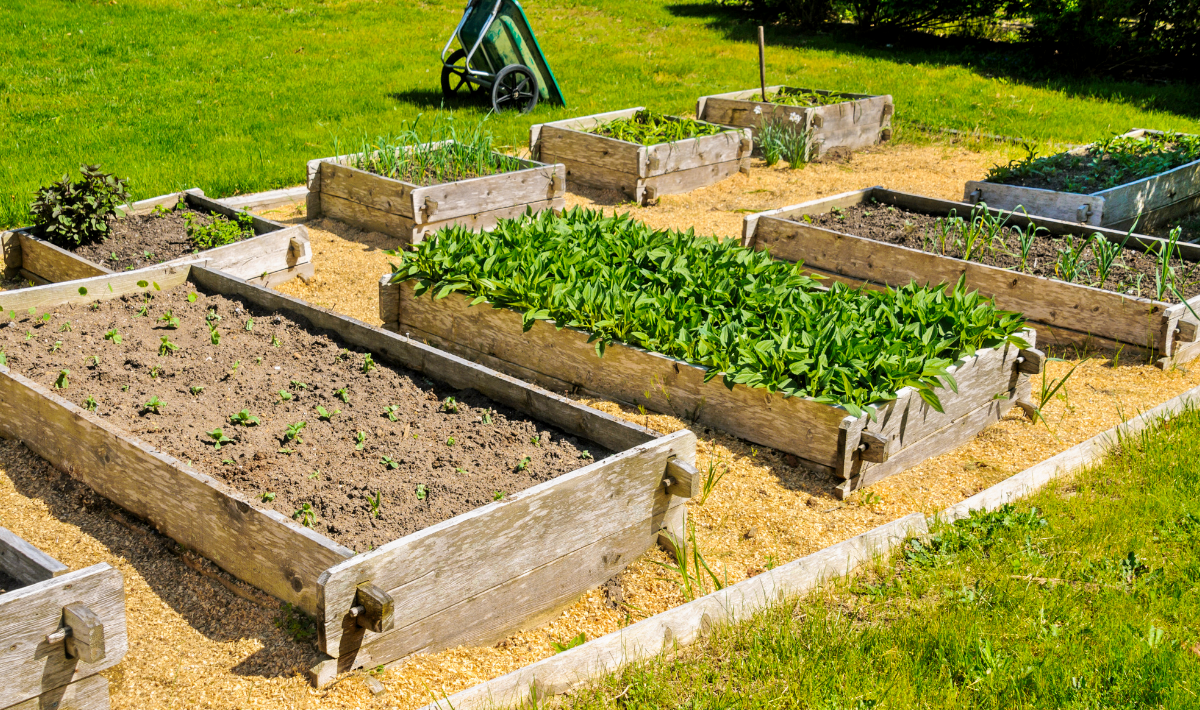
Use wood chips or gravel to define pathways, preventing soil compaction from foot traffic. This separation maintains bed integrity and reduces weeding.
Managing Weeds and Pests
No-dig gardens require proactive strategies to control weeds and pests without disturbing soil.
Preventing Weed Growth
Mulch maintenance: Replenish mulch layers regularly to starve weeds of light and nutrients.
Companion planting: Grow clover or marigolds between vegetables to outcompete weeds.
Natural Pest Control Methods
Repellent herbs: Plant onions, sage, or oregano near vegetables to deter pests like aphids and slugs.
Encourage predators: Attract beneficial insects (e.g., ladybugs) by planting diverse flowers and herbs.
Planting and Maintaining
Selecting the right plants and maintaining soil health ensures a productive harvest.
Choosing the Right Plants
Prioritize vegetables suited to no-dig conditions:
Root crops: Carrots, beets, and radishes thrive in undisturbed, aerated soil.
Leafy greens: Lettuce, spinach, and kale benefit from the nutrient-rich compost layer.
Fruiting plants: Tomatoes and peppers require deeper mulch layers to retain heat.
Maintaining Soil Health
Aerate annually: Use a broadfork to gently loosen soil without turning it over, preserving fungal networks.
Top-dress with compost: Add 1–2 inches of compost each season to replenish nutrients.
Common Challenges and Solutions
While no-dig gardening simplifies maintenance, some challenges persist.
Dealing with Weed Pressure
Early intervention: Hoe weeds before they seed, focusing on newly emerged growth.
Thick mulch layers: Apply 3–4 inches of mulch to smother persistent weeds.
Adapting to Different Soil Types
Clay soils: Mix in sand or perlite to improve drainage and aeration.
Sandy soils: Add compost and peat alternatives to retain moisture and nutrients.
Long-Term Benefits and Sustainability
No-dig gardens offer lasting ecological and practical advantages.
Enhancing Soil Ecosystems
Over time, no-dig methods:
Boost microbial activity: Undisturbed soils host diverse fungi and bacteria, enhancing nutrient cycling.
Improve water retention: Organic matter increases soil’s capacity to absorb and store rainwater.
Reducing Environmental Impact
Lower carbon footprint: Avoiding synthetic fertilizers and tilling reduces greenhouse gas emissions.
Supporting biodiversity: Diverse plantings attract pollinators and beneficial insects, strengthening local ecosystems.
Starting a no-dig garden requires initial effort but yields long-term rewards. By layering organic materials, managing weeds proactively, and selecting suitable plants, gardeners can cultivate effortless, sustainable harvests. This method not only simplifies gardening but also contributes to healthier soils and a greener planet.
Allan is a lifelong gardening enthusiast who still gets excited when the first seedlings pop up in spring. With a deep love for nature and a hands-in-the-soil approach, he shares practical tips, plant discoveries, and clever tricks picked up over years of digging, planting, and observing. Whether you’re a new gardener or have a shed full of tools, Allan writes like a neighbor who’s always happy to swap cuttings and stories over the fence.
You can find more about Allan’s work on Malt or connect with him on LinkedIn.