

With increasing global concerns over food waste and its impacts on both the environment and economy, businesses are urged to rethink their approach towards waste management.
The following guidelines not only help in reducing the ecological footprint but also foster sustainability within commercial operations.
1/ Conduct a waste audit
Understanding your starting point is key to effective change. Assessing the volume and type of food waste your business generates can reveal significant patterns and areas for improvement—even avenues you haven’t considered before.
A detailed waste audit serves as the foundational step in crafting an efficient strategy aimed at minimizing waste production.
2/ Emphasize source segregation
Source segregation plays a imperative role in managing waste directly from the point of origin. It is vital that staff are trained thoroughly about proper waste segregation techniques, particularly differentiating between organic and non-organic materials.
Empowering employees through regular training sessions enhances compliance and effectiveness of recycling programs.
3/ Engage customers
Encouraging customer participation in waste reduction initiatives can significantly complement internal efforts. By educating customers about proper waste disposal practices and offering incentives for eco-friendly behavior, businesses can create a culture of sustainability that extends beyond their premises.
Implementing programs such as food donation schemes or discounts for bringing reusable containers not only fosters community engagement but also reinforces the commitment to waste reduction and environmental stewardship.
4/ Utilize food waste disposers
Investing in high-quality food waste disposers can revolutionize waste handling processes within commercial operations. These devices efficiently grind down food residues, reducing waste volume and odor while simplifying disposal procedures.
By incorporating food waste disposers into their infrastructure, businesses can streamline waste management efforts, minimize environmental impact, and contribute to a more sustainable future.
5/ Leverage composting techniques
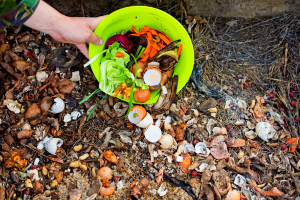
Composting offers a triple win; it’s cost-effective, environmentally friendly, and simple to implement. By turning organic food waste into nutrient-rich soil amendments, businesses not only dispose of their waste responsibly but also contribute positively to green initiatives, promoting sustainable agriculture practices.
6/ Monitor trends and analyze data
Maintaining a continuous review mechanism to monitor and analyze food waste data is vital. This approach allows businesses to detect waste patterns over time, helping fine-tune previous strategies or deploy new ones to better handle emerging waste challenges.
7/ Initiate donation programs
Partnering with local charities and food banks can significantly aid in redirecting surplus food that’s still fit for consumption. These donation programs not only assist in combating local food insecurity but ensure that less food ends up in landfills, thus contributing to waste reduction.
8/ Keep up-to-date with regulations
Staying informed about local and national regulations surrounding food waste is imperative. Compliance ensures that your business doesn’t face unnecessary legal hurdles and aligns with broader governmental objectives concerning waste management.
9/ Adopt smart purchasing practices
To avoid overstocking and reduce spoilage, adopt smart purchasing practices. Evaluating what and how much you order based on trends and consumption can dramatically decrease the amount of food wasted.
10/ Invest in a food waste disposer
Installing a high-quality food waste disposer can streamline the handling and transportation of waste. Such devices efficiently grind down food residues, making disposal processes cleaner and more manageable.
In conclusion: A sustainable commitment
Developing a comprehensive food waste management strategy isn’t just beneficial for the environment—it’s also vital for building a responsible, forward-thinking brand.
Whether it’s by adopting smarter procurement policies, engaging in composting, or utilizing cutting-edge technologies to handle waste, every step taken is a step towards sustainability.
Remember, every small action counts when it comes to creating a big environmental impact.
Embrace these practices to not just thrive as a business, but to actively make the world a better place.

Allan is a lifelong gardening enthusiast who still gets excited when the first seedlings pop up in spring. With a deep love for nature and a hands-in-the-soil approach, he shares practical tips, plant discoveries, and clever tricks picked up over years of digging, planting, and observing. Whether you’re a new gardener or have a shed full of tools, Allan writes like a neighbor who’s always happy to swap cuttings and stories over the fence.
You can find more about Allan’s work on Malt or connect with him on LinkedIn.


