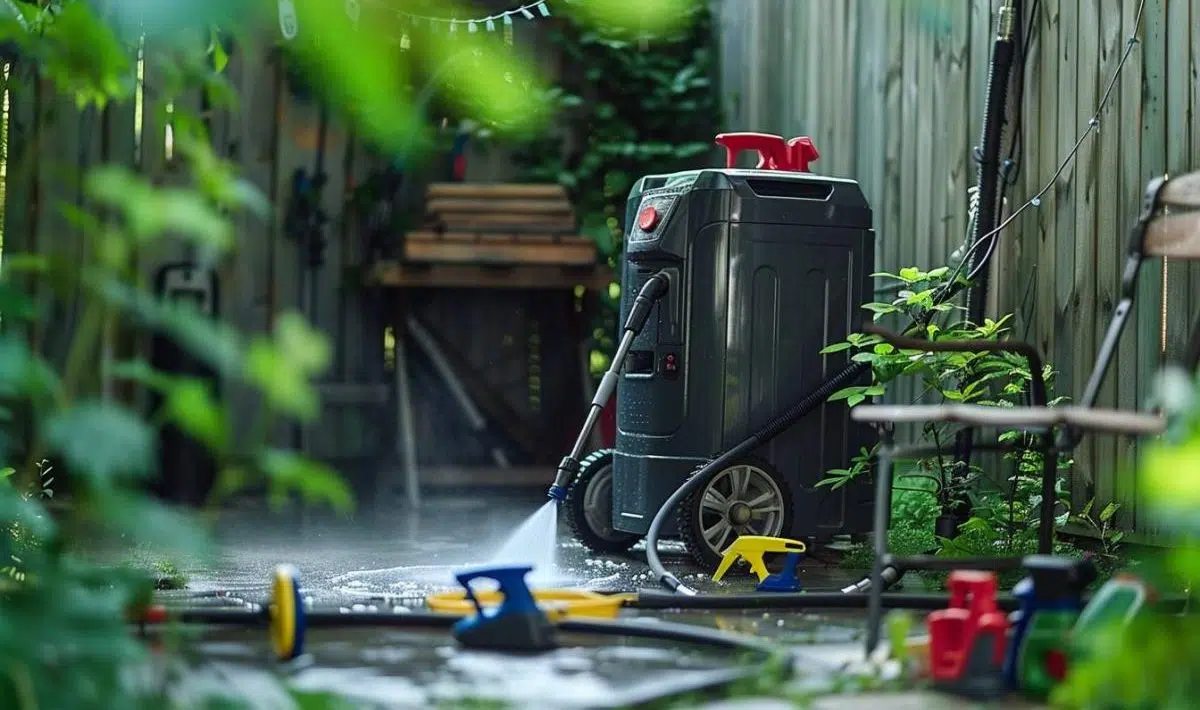
My grandfather gave me 8 simple solutions to fix a pressure washer.
Pressure washers are powerful tools that can make cleaning tasks a breeze. However, when they malfunction, it can be frustrating. This guide will walk you through common pressure washer issues and provide simple solutions to get your machine back in working order.
One of the most common issues with pressure washers is related to water flow. Insufficient water pressure can severely impact the machine’s performance. Here are some steps to diagnose and fix water flow problems :
1. Check the water supply : Ensure that your faucet is turned on to full power. Sometimes, the simplest solution is the most effective.
2. Inspect the hose for kinks : A kinked hose can significantly reduce water flow. Lay the hose flat and gently work out any kinks. If the hose is particularly stiff, try these methods :
Leave it in the sun to soften
Run warm water through it to increase flexibility
Avoid twisting or pulling, as this may worsen the problem
3. Clean the inlet filter : Located behind the hose connector, this filter can become clogged with debris. To clean it :
Unscrew or carefully pull out the filter
Rinse it under running water or use a soft brush to remove debris
For stubborn grime, soak the filter in a water and vinegar solution
Once clean and dry, reinsert the filter and reconnect the hose
By addressing these common water flow issues, you can often restore your pressure washer’s performance without the need for professional intervention.
Tackling nozzle and pump-related issues
When water flow isn’t the problem, the issue may lie with the nozzle or pump. Here’s how to address these components :
Unclogging the nozzle : A clogged nozzle can significantly reduce cleaning power. To fix this :
Turn off the machine and disconnect it from power and water sources
Inspect the nozzle for visible dirt or blockages
Use a nozzle cleaning pin (or a suitable substitute like a 3-D printer pin) to clear obstructions
Rinse the nozzle under a faucet before reattaching
Addressing pump issues : If you notice water leaking from the pump area, you may need to replace the pump seals. This process requires more technical skill :
Purchase a compatible seal kit for your pressure washer model
Consult the operating manual to disassemble the pump and access the seals
Replace old seals with new ones, using lubricant for easier installation
Reassemble the pressure washer and test for leaks
For persistent low-pressure issues, check the unloader valve near the pump head. Adjusting or replacing this valve can often restore proper water pressure.
Resolving engine and fuel-related problems
For gas-powered pressure washers, engine issues can be a common source of frustration. Here’s a troubleshooting guide for engine-related problems :
Problem
Possible Cause
Solution
Engine won’t start
Stale fuel
Replace with fresh gas from a reliable source
Engine stalls
Dirty spark plug
Clean or replace the spark plug
Poor performance
Clogged air filter
Clean or replace the air filter
Unusual noise
Low oil level
Check and replenish oil if necessary
Regular maintenance of these components can prevent many engine-related issues. For example, Benjamin Franklin, known for his wisdom, once said, “An ounce of prevention is worth a pound of cure.” This adage applies perfectly to pressure washer maintenance.
Addressing detergent and leak-related concerns
Finally, let’s look at two other common issues : problems with detergent application and leaks in various parts of the pressure washer.
Soap injector troubles : If your pressure washer loses power when washing a car, the soap injector might be the culprit. To fix this :
Flush the detergent line with clean water to remove blockages
Check and clean the injector valve if clogged with soap residue
Inspect the siphon tube for cracks or kinks, replacing if damaged
Dealing with leaks : Leaks can occur in the hose, pump, or fittings. Here’s how to address them :
Inspect the entire system for water escaping from any component
Replace cracked or worn hoses and fittings
For minor leaks, use plumber’s tape or rubber sealant as a temporary fix
Ensure all connections are tight and free from debris buildup
By following these steps, you can often resolve most pressure washer issues without professional help. Remember, regular maintenance is key to preventing problems and ensuring your pressure washer remains a reliable tool for your cleaning tasks.
As the renowned inventor Thomas Edison once said, “To have a great idea, have a lot of them.” This principle applies to troubleshooting as well. By systematically working through these potential solutions, you’re likely to find the fix for your pressure washer problem.
This comprehensive guide provides solutions for common pressure washer issues, covering water flow, nozzle, pump, engine, and detergent problems. Here are the key points :
Allan is a lifelong gardening enthusiast who still gets excited when the first seedlings pop up in spring. With a deep love for nature and a hands-in-the-soil approach, he shares practical tips, plant discoveries, and clever tricks picked up over years of digging, planting, and observing. Whether you’re a new gardener or have a shed full of tools, Allan writes like a neighbor who’s always happy to swap cuttings and stories over the fence.
You can find more about Allan’s work on Malt or connect with him on LinkedIn.