Start this container garden project before the end of the month
Container gardening offers a flexible solution for urban dwellers, renters, and those with limited outdoor space. By growing plants in pots, you can maximize vertical space, control soil quality, and move plants to optimize sunlight. This method also allows for year-round gardening in protected areas, making it particularly valuable for regions with harsh winters.
Immediate results: Many vegetables and herbs mature quickly, providing fresh produce within weeks. Cost-effective: Reuse household items like cinder blocks or whiskey barrels as planters. Educational opportunities: Ideal for teaching children about nutrition and sustainability, as highlighted in community programs using intensive gardening models.
Choosing the right plants for your container garden
Selecting appropriate plants ensures success. Different species have varying space and sunlight requirements, so matching them to your environment is crucial.
Vegetables for container gardens
Leafy greens: Lettuce, spinach, and kale thrive in shallow containers (8-12 inches deep) and require minimal space. Fruiting plants: Tomatoes, peppers, and eggplants need deeper soil (18+ inches) and larger pots to accommodate root systems. Root vegetables: Carrots and beets require at least 12 inches of soil depth and well-draining containers.
Herbs and flowers
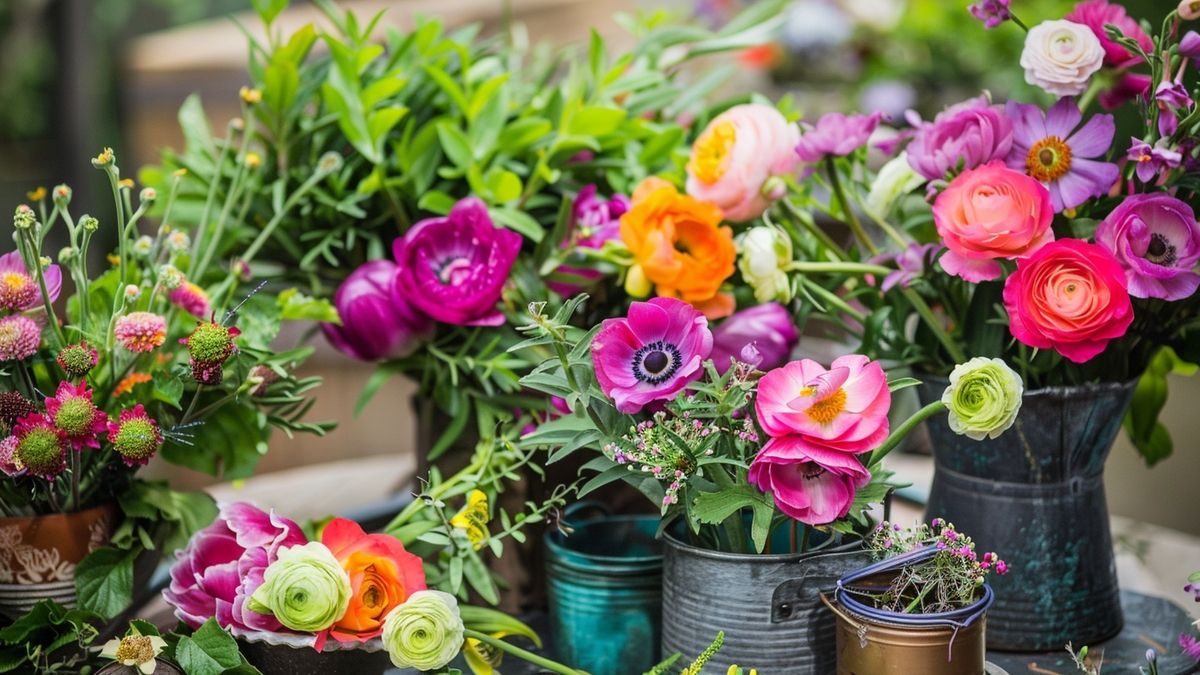
Culinary herbs: Basil, mint, and parsley grow well in small pots and can be harvested continuously. Ornamental flowers: Petunias, marigolds, and zinnias add color and attract pollinators. Use the thriller, filler, spiller method for balanced arrangements:
Thrillers: Tall plants like geraniums or dwarf citrus trees as focal points.
Fillers: Medium-height plants like impatiens or begonias to add volume.
Spillers: Trailing plants like ivy or creeping thyme to cascade over edges.
Dwarf varieties for limited space
Compact or dwarf strains of tomatoes, peppers, and citrus trees are bred specifically for container growing. These plants mature faster and require less space while maintaining flavor and productivity.
Selecting containers and optimizing drainage
The right container material and size directly impact plant health.
Container materials and sizes
Terra cotta: Porous and breathable, ideal for root health but heavier and more prone to drying out. Plastic: Lightweight, retains moisture, and suitable for beginners. Grow bags: Flexible, space-efficient, and reusable.
Minimum sizes:
Leafy greens: 8-12 inches deep.
Fruiting vegetables: 18+ inches deep.
Root vegetables: 12+ inches deep.
Ensuring proper drainage
Drainage holes: Essential to prevent waterlogging. Drill holes in containers lacking them. Soil layers: Add a 4-6 inch layer of rocks or gravel at the bottom if drainage holes are insufficient. Trays: Use saucers to catch excess water and prevent mess.
Soil preparation and fertilization strategies
High-quality soil and targeted fertilization are critical for container gardens.
Soil composition
Potting mix: Use a specialized container soil blend that balances water retention and drainage. Avoid garden soil, which compacts and dries out quickly. Soil amendments: Mix in compost or worm castings to improve nutrient content and structure.
Fertilization techniques
Slow-release granules: Apply at planting time for sustained nutrient delivery. Liquid feed: Use balanced fertilizers (e.g., 20-20-20) weekly during the growing season. Bloom boosters: Add phosphorus-rich fertilizers (e.g., 15-30-15) to promote flowering in ornamental plants.
Pest control and disease prevention
Common challenges include pests, diseases, and nutrient deficiencies.
Identifying and managing pests
Common pests: Aphids, spider mites, and slugs. Organic solutions:
Neem oil: Treats fungal infections and insect infestations.
Soap solution: Mix 1 tablespoon of mild dish soap with 1 quart of water to spray pests.
Physical barriers: Copper tape around containers deters slugs.
Preventing diseases
Powdery mildew: Caused by humidity and poor air circulation. Treat with fungicides or remove infected leaves. Root rot: Avoid overwatering and ensure proper drainage.
Maintenance routines for thriving plants
Consistent care ensures healthy growth and maximum yield.
Watering guidelines
Frequency: Water when the top 1-2 inches of soil feel dry. Techniques:
Morning watering: Reduces evaporation and prevents fungal growth.
Soaker hoses: Deliver water directly to roots in large containers.
Pruning and training
Vegetables: Remove lower leaves of tomato plants to prevent soil-borne diseases. Flowers: Deadhead spent blooms to encourage continuous flowering.
Seasonal adjustments
Summer: Provide afternoon shade for heat-sensitive plants. Winter: Move containers to protected areas or use grow lights indoors.
Troubleshooting common challenges
Addressing issues promptly prevents setbacks.
Slow growth in leafy greens
Possible causes:
Nutrient deficiency: Test soil pH and supplement with liquid fertilizer.
Insufficient light: Most greens require 4-6 hours of direct sunlight daily.
Overwatering: Check for root rot and improve drainage.
Wilting plants
Root temperature: Use shade cloth or reflective mulch to cool soil in extreme heat. Water stress: Increase watering frequency in hot climates, but avoid waterlogging.
Community projects and educational initiatives
Container gardening serves as a powerful educational tool, particularly for youth programs.
School-based initiatives
Adapting square foot gardening: Use raised beds or grow boxes for intensive planting. Portable systems: Prioritize lightweight, durable materials like fiberglass or plastic.
Involving children
Hands-on learning: Teach seed starting, soil preparation, and pest management. Harvest celebrations: Host events to share produce and reinforce the connection between effort and results.
Final tips for successful container gardening
Start small: Begin with 2-3 containers to gain experience. Experiment: Try new plant combinations and materials each season. Record progress: Keep a gardening journal to track growth patterns and note areas for improvement.
By following these guidelines and acting before the month ends, you can establish a thriving container garden that provides fresh produce, beauty, and a sense of accomplishment.
Allan is a lifelong gardening enthusiast who still gets excited when the first seedlings pop up in spring. With a deep love for nature and a hands-in-the-soil approach, he shares practical tips, plant discoveries, and clever tricks picked up over years of digging, planting, and observing. Whether you’re a new gardener or have a shed full of tools, Allan writes like a neighbor who’s always happy to swap cuttings and stories over the fence.
You can find more about Allan’s work on Malt or connect with him on LinkedIn.