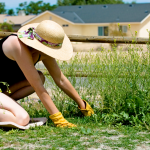
For decades, gardeners and homeowners have battled patio weeds with chemical herbicides, only to face recurring growth and environmental concerns. A growing movement now champions a simpler, safer solution: boiling water. This single-ingredient method has gained traction for its effectiveness in killing weeds without toxic runoff or soil degradation.
The Science Behind Boiling Water’s Effectiveness
Boiling water works by scorching plant cells on contact, destroying their structural integrity and preventing regrowth. Unlike herbicides that target specific growth stages, boiling water eradicates weeds at any stage, from seedlings to mature plants. Its non-selective nature makes it ideal for hardscape areas like driveways, sidewalks, and patios where desirable plants aren’t present.
Best Practices for Application
- Timing: Apply during sunny days to maximize heat retention and minimize evaporation.
- Precision: Use a kettle or pot to pour water directly onto weeds, avoiding overspray onto nearby plants.
- Frequency: Repeat every 2–3 weeks for persistent growth, as seeds may still germinate in untreated soil.
Safety Precautions to Avoid Damage
While boiling water is eco-friendly, it requires caution:
- Protect skin and eyes with gloves and goggles.
- Avoid use near plants you want to keep, as it can damage roots and foliage.
- Test on a small area first to assess soil or surface material reactions.
Why Traditional Herbicides Fall Short
Chemical herbicides may offer quick results but come with significant drawbacks.
Environmental and Health Risks
- Contaminated waterways: Rainfall can carry herbicides into water systems, harming aquatic life.
- Soil degradation: Repeated use disrupts microbial ecosystems, reducing soil fertility over time.
- Human exposure: Residues on surfaces or in air pose risks to children, pets, and gardeners.
The Ineffectiveness of Short-Term Solutions
Many herbicides target foliage but leave roots intact, allowing weeds to regrow. This creates a cycle of dependency, requiring frequent reapplication. In contrast, boiling water and other natural methods address the root cause by preventing seed germination and starving existing plants of resources.
Alternative Methods for Long-Term Weed Management
While boiling water is effective, combining it with other strategies ensures lasting results.
Mulching: A Barrier Against Weed Growth
Organic mulch (wood chips, straw) and landscape fabric block sunlight and suppress seed germination. Key benefits include:
- Moisture retention: Reduces evaporation, keeping soil hydrated.
- Soil enrichment: Decomposing mulch adds nutrients over time.
Companion Planting: Strategic Weed Suppression
Planting groundcovers (wild ginger, moss phlox) or dense crops (white clover) creates a competitive environment where weeds struggle to thrive. This method leverages natural plant relationships to:
- Shade soil: Preventing light-dependent seed germination.
- Crowd out invaders: Fibrous roots and dense foliage smother weeds.
Proper Weeding Techniques
Manual removal remains a cornerstone of weed control. Tips include:
- Twist-and-pull: Remove roots intact to prevent regrowth.
- Damp soil: Weeds come out easier when soil is moist but not waterlogged.

Case Studies and Community Responses
Real-world adoption of natural methods highlights their viability.
Urban Gardeners Embrace Simplicity
In cities like Portland and Seattle, community gardens report success with boiling water and mulch. One gardener noted: “After switching from herbicides, our soil health improved, and weeds became manageable with weekly maintenance.”
Small-Town Solutions
Rural homeowners often combine boiling water with vinegar solutions (white vinegar + salt) for persistent weeds. This dual approach balances immediate scorching with desiccation, reducing regrowth.
Future of Natural Weed Control
As awareness grows, innovative methods are emerging.
Emerging Trends
- Smart gardening tech: Apps that track weed growth patterns for proactive management.
- Biochar: Charred organic material that improves soil structure and suppresses weeds.
- Regenerative agriculture: Integrating weed control with broader soil health practices.
Policy and Education Shifts
Local governments are promoting natural methods through workshops and subsidies. For example, some municipalities offer free mulch to residents adopting organic gardening practices.
The rise of boiling water as a weed control method reflects a broader shift toward sustainable gardening. By combining this simple technique with mulching, companion planting, and proper weeding, homeowners can create weed-resistant outdoor spaces without compromising environmental or human health. As communities continue to innovate, the future of weed management looks increasingly green—and chemical-free.

Allan is a lifelong gardening enthusiast who still gets excited when the first seedlings pop up in spring. With a deep love for nature and a hands-in-the-soil approach, he shares practical tips, plant discoveries, and clever tricks picked up over years of digging, planting, and observing. Whether you’re a new gardener or have a shed full of tools, Allan writes like a neighbor who’s always happy to swap cuttings and stories over the fence.
You can find more about Allan’s work on Malt or connect with him on LinkedIn.