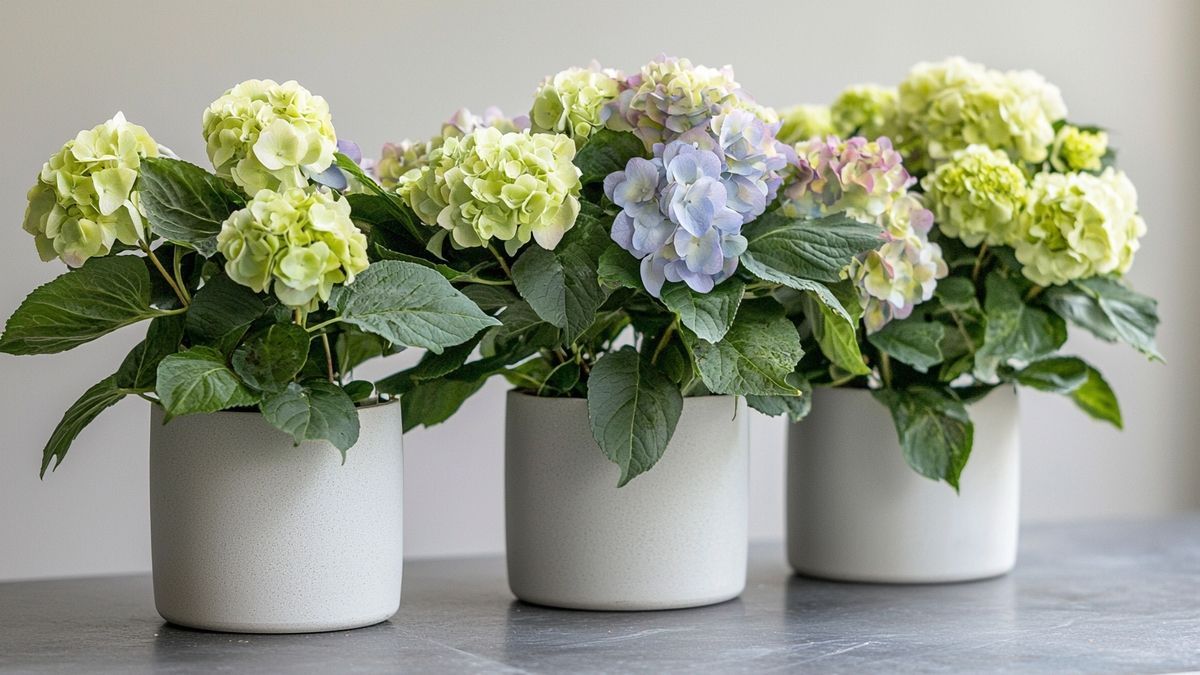
Rebloomers and Climate-Resilient Options Gain Popularity
The 2025 gardening season has seen a surge in innovative hydrangea varieties designed to address past challenges and cater to evolving tastes. Crystal Cove, a reblooming hydrangea, offers extended flowering periods and thrives in containers or perennial gardens, making it ideal for modern, flexible landscapes. Meanwhile, the ground-covering hydrangea debuted at the RHS Chelsea Flower Show 2025, combining low maintenance with climate resilience, adapting to colder winters and hotter summers. These advancements aim to retain hydrangeas’ popularity, but broader gardening trends suggest some gardeners are exploring alternatives.
Modern breeding has focused on improving disease resistance, bloom longevity, and adaptability. Monrovia, a leading nursery, collaborates globally to introduce improved varieties, ensuring plants flourish in diverse conditions. However, while these innovations address historical drawbacks, they may not fully counter shifting preferences toward naturalistic planting or edible landscapes.
Naturalistic Planting and Houseplants Gain Momentum
The 2025 RHS Chelsea Flower Show highlighted trends that may divert attention from traditional hydrangeas. Naturalistic, informal planting—featuring ox-eye daisies, foxgloves, and lupins—resonates with gardeners seeking organic, wildflower-inspired designs. This shift toward cottage-style gardens emphasizes biodiversity and effortless beauty, contrasting with hydrangeas’ structured blooms.
Houseplants also dominate indoor-outdoor transitions, with dedicated studios showcasing greener living spaces. While hydrangeas remain popular in cutting gardens for indoor arrangements, the rise of low-maintenance houseplants may appeal to urban gardeners prioritizing convenience.
Edible Landscapes and Functional Gardens Rise
Hydrangeas are increasingly paired with edible hedges (e.g., blueberries) to create dual-purpose borders. However, this trend reflects a broader move toward productive gardens, where plants must serve multiple functions. For gardeners focused on food security or sustainability, hydrangeas may take a backseat to fruit-bearing shrubs or herbs.
Purple Hydrangeas Gain Attention as Alternative Choices
Unique Varieties Offer Distinctive Color Options
While traditional hydrangeas face competition, purple varieties are carving a niche. Color Fantasy and Amethyst hydrangeas deliver striking, on-trend hues, aligning with contemporary garden aesthetics. These plants thrive in acidic soils and offer vibrant contrasts to pastel or metallic themes, appealing to designers seeking bold focal points.
Marechal Foch, a historic variety, remains popular in Europe for its cold-hardiness and large, snowball-like blooms that transition from rose to indigo. Meanwhile, Harlequin hydrangeas feature white-bordered petals, adding an ethereal quality to gardens. These unique traits highlight how specialized hydrangeas adapt to niche preferences, even as mainstream interest wanes.
Climate and Maintenance Concerns Influence Decisions
The new ground-covering hydrangea exemplifies efforts to simplify care. It requires well-drained soil, regular watering, and spring pruning—practices manageable for most gardeners. Breeders emphasize climate resilience, addressing past complaints about sensitivity to extreme temperatures.
Yet, establishment challenges persist. Young hydrangeas need consistent moisture to develop strong roots, which may deter gardeners in drought-prone regions. In contrast, drought-tolerant alternatives like succulents or native wildflowers require less upkeep, appealing to those prioritizing ease.
Industry Response and Future Outlook
Breeders Innovate to Meet Changing Demands
Monrovia and other nurseries continue refining hydrangeas to align with modern needs. Reblooming capabilities, compact growth habits, and disease resistance are key focus areas. For example, Kardenal Violet hydrangeas offer lacecap blooms and a bushy structure, ideal for smaller spaces.
However, the industry faces competition from sustainable gardening practices and wildlife-friendly designs. While hydrangeas contribute to pollinator support, they may not match the ecological impact of native plants or mixed-species borders.
The 2025 gardening landscape reflects a dynamic interplay between innovation and diversification. While new hydrangea varieties address historical limitations, broader trends toward naturalistic planting, edible landscapes, and low-maintenance alternatives suggest some gardeners are exploring beyond traditional favorites. Hydrangeas remain relevant through niche offerings like purple varieties and climate-resilient breeds, but their dominance may be tempered by evolving priorities. As the industry adapts, the future of hydrangeas hinges on balancing tradition with contemporary demands.
Allan is a lifelong gardening enthusiast who still gets excited when the first seedlings pop up in spring. With a deep love for nature and a hands-in-the-soil approach, he shares practical tips, plant discoveries, and clever tricks picked up over years of digging, planting, and observing. Whether you’re a new gardener or have a shed full of tools, Allan writes like a neighbor who’s always happy to swap cuttings and stories over the fence.
You can find more about Allan’s work on Malt or connect with him on LinkedIn.