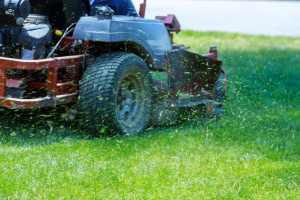
Zero-turn vs tractor riding mowers – which is the better choice?
Mowing your lawn can either be a chore or a pleasure, depending on the equipment you use. Today’s market offers two primary types of riding mowers designed to enhance efficiency and comfort: zero-turn mowers and tractor mowers. Both have unique features tailored to different landscaping needs.
Here, we’ll dive into their differences, advantages, and drawbacks to help you make an informed decision about which mower suits your lawn best.
The vital distinction lies in maneuverability and control. Zero-turn mowers use levers for navigation allowing them to turn quickly around their axis, similar to a tank. This feature makes them ideal for lawns with obstacles like trees or garden beds. Conversely, tractor mowers are equipped with a steering wheel, offering a wider turning radius akin to that of a car.
Zero-turn mowers
Able to navigate tight spaces efficiently.
Usually come with larger cutting decks, ideal for large properties over three acres.
Faster than their tractor counterparts due to their efficient navigation capabilities.
Tractor mowers
Easier to operate for beginners as it drives like a golf cart.
Better suited to uneven terrain and sloped gardens.
Can handle a variety of yard tasks beyond just mowing, such as towing heavy garden utilities.
Pros and cons of each type of mower
Advantages of zero-turn mowers
Known for their speed and agility, zero-turn mowers provide precise cuts and are the go-to choice for large, obstacle-rich yards. They minimize the time spent on mowing by significantly reducing the need to reverse or reposition the mower.
Disadvantages of zero-turn mowers
Although powerful, they can be pricey—starting around $3000—and may require some practice to master their lever-based controls. Moreover, they’re not particularly suited for small lawns or heavy-duty tasks other than mowing.
Advantages of tractor mowers
Tractor mowers offer versatility and simplicity. Not only are they less expensive, starting at about $2000, but they also adapt well to various lawn maintenance activities, making them a practical choice for many homeowners.
Disadvantages of tractor mowers
While they excel on rugged terrains and slopes, their broader turning radius might not make them ideal for lands littered with barriers where a tight turn is necessary.
Which mower should you choose?
Your choice depends largely on your specific gardening needs:
If you own a vast, obstacle-free lawn where speed is vital, a zero-turn mower will serve you best. If your budget is tighter, or you have a smaller garden with various landscaping activities, you might want to lean towards a tractor mower.
Conclusion: making the best choice for your lawn
Ultimately, the decision between a zero-turn and a tractor mower hinges upon the specifics of your lawn and your personal preferences. For sprawling, complex gardens with many obstacles, zero-turn models offer unmatched efficiency and speed. However, for varied gardening tasks and hilly terrain, the versatility and robustness of tractor mowers could be more beneficial.
Consider your land’s layout, your physical comfort with operating machinery, and your budget when choosing the appropriate mower that will turn the laborious task of mowing into a more enjoyable experience.
Allan is a lifelong gardening enthusiast who still gets excited when the first seedlings pop up in spring. With a deep love for nature and a hands-in-the-soil approach, he shares practical tips, plant discoveries, and clever tricks picked up over years of digging, planting, and observing. Whether you’re a new gardener or have a shed full of tools, Allan writes like a neighbor who’s always happy to swap cuttings and stories over the fence.
You can find more about Allan’s work on Malt or connect with him on LinkedIn.