
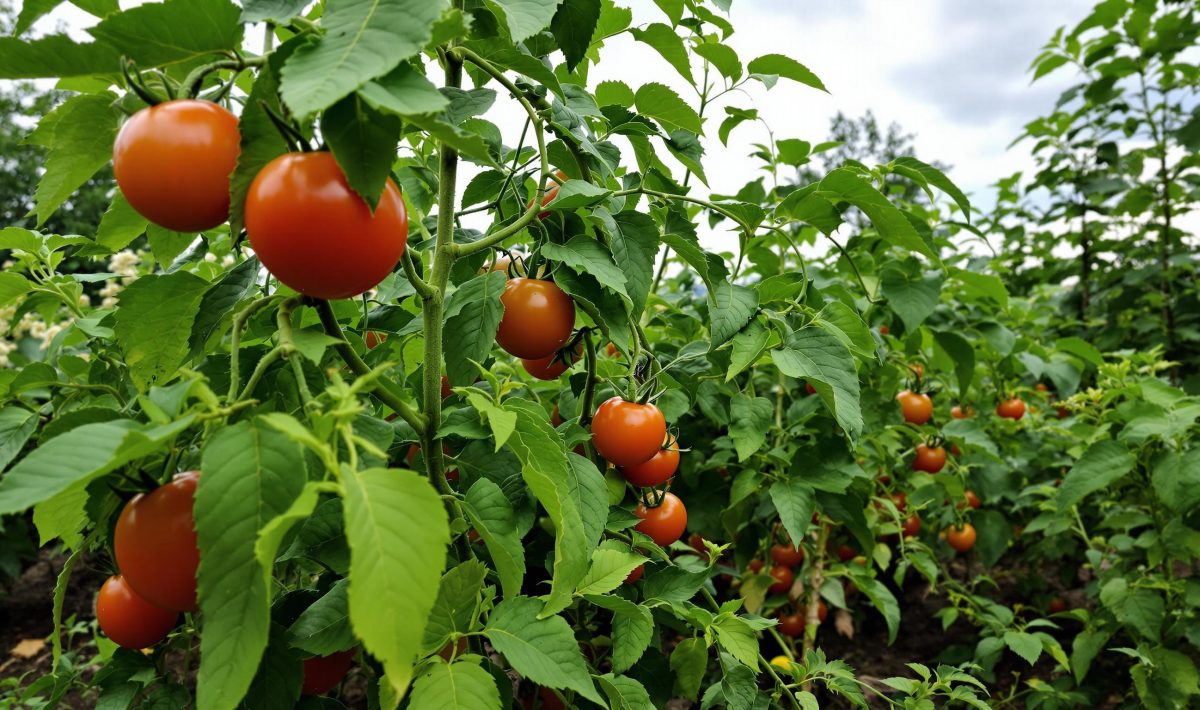
Basil remains one of the most effective and widely recognized tomato companions, offering dual benefits of pest deterrence and flavor enhancement. Its strong aromatic oils repel whiteflies, aphids, and hornworms—key tomato pests—while also acting as an early warning system for diseases like powdery mildew.
How basil repels pests and improves flavor
Basil’s volatile compounds disrupt pest life cycles, reducing infestations without chemical pesticides. This natural defense mechanism is particularly valuable during July, when tomato plants are at peak growth and more vulnerable to pest damage. Additionally, basil’s proximity to tomatoes enhances their flavor profile, a benefit observed in both culinary and gardening contexts.
Optimal planting strategies for basil
Plant basil seedlings 6–8 inches from tomato stems, allowing airflow to prevent moisture buildup. For container gardens, pair dwarf tomato varieties with basil in shared pots. Harvest basil leaves regularly to encourage bushy growth and maximize pest-repelling properties.
Borage: attracting pollinators and enhancing soil
Borage’s star-shaped flowers make it a magnet for pollinators like bees and butterflies, directly boosting tomato fruit set. Its deep taproots also improve soil structure and nutrient availability, creating a symbiotic relationship with shallow-rooted tomatoes.
The role of borage in pollination and pest deterrence
Borage’s nectar-rich blooms attract beneficial insects, including predatory wasps that prey on tomato hornworms. The plant’s fuzzy leaves may further deter pests, though its primary value lies in enhancing pollination efficiency during mid-summer.
Integrating borage into tomato beds
Sow borage seeds in early spring or fall, spacing them 12–18 inches apart. For intensive growing setups, place borage at bed edges or in adjacent containers to avoid shading tomatoes. Allow some borage plants to flower, as their blooms provide sustained pollinator attraction.
Asparagus: protecting against nematodes and improving growth
Asparagus roots release compounds that repel root-knot nematodes, a microscopic parasite that stunts tomato growth. Its deep-rooted nature minimizes competition for nutrients, making it an ideal intercrop for July gardens.
How asparagus combats root-knot nematodes
Root-knot nematodes form galls on tomato roots, reducing water and nutrient uptake. Asparagus’s chemical secretions disrupt these pests’ life cycles, creating a protective barrier around tomato roots. This defense mechanism becomes critical in warm weather when nematode activity peaks.
Planting asparagus alongside tomatoes
Asparagus crowns should be planted in early spring, spaced 12–18 inches apart. In tomato beds, interplant asparagus between rows or at bed perimeters. Avoid harvesting asparagus during its first growing season to establish strong root systems.
Garlic: natural pest repellent and disease prevention
Garlic’s pungent sulfur compounds repel aphids, spider mites, and other soft-bodied pests while also exhibiting mild fungicidal properties. These traits make it particularly valuable for July gardens facing increased pest pressure.
Garlic’s dual role in pest control and disease resistance
Garlic’s volatile oils create a protective zone around tomatoes, deterring pests through both contact and airborne mechanisms. Additionally, its antifungal properties may help suppress early blight and septoria leaf spot, common tomato diseases in mid-summer.
Effective garlic planting techniques
Plant garlic cloves in late fall or early spring, spacing them 4–6 inches apart. In tomato beds, interplant garlic between plants or at bed edges. Crushed garlic cloves can also be mixed into water for foliar sprays, though whole cloves planted nearby provide longer-lasting protection.
Calendula: attracting beneficial insects and boosting pollination
Calendula’s bright orange and yellow blooms attract hoverflies and parasitic wasps, which prey on aphids and other tomato pests. Its low-growing habit makes it ideal for edging beds or filling gaps between tomato plants.
Calendula’s impact on beneficial insects and pollination
Hoverflies, often mistaken for small wasps, lay eggs near aphid colonies. Their larvae consume hundreds of aphids weekly, providing targeted pest control. Calendula’s blooms also attract bees, ensuring consistent pollination during July’s heat.
Strategic placement of calendula in tomato gardens
Sow calendula seeds directly in tomato beds after the last frost, spacing them 6–12 inches apart. For container gardens, plant calendula around tomato stems or in hanging baskets. Deadhead spent blooms to encourage continuous flowering and insect attraction.
These five companion plants—basil, borage, asparagus, garlic, and calendula—address critical challenges in July tomato cultivation: pest control, pollination, and soil health. By strategically integrating them into gardens, growers can reduce reliance on synthetic inputs while maximizing harvest potential.

Allan is a lifelong gardening enthusiast who still gets excited when the first seedlings pop up in spring. With a deep love for nature and a hands-in-the-soil approach, he shares practical tips, plant discoveries, and clever tricks picked up over years of digging, planting, and observing. Whether you’re a new gardener or have a shed full of tools, Allan writes like a neighbor who’s always happy to swap cuttings and stories over the fence.
You can find more about Allan’s work on Malt or connect with him on LinkedIn.




Love this, thanks!
Love this guide! already got basil with my tomatoes and excited to try the other companions. gardening newbie but learning so much! thanks for this awesome info! 🌱🍅
🍅 Bountiful boosts!
Awesome! trying this
How close should basil be planted to tomato plants for the best pest control and flavor enhancement?
Tried basil next to my tomatoes last summer, and it worked like a charm! healthier plants, more fruit, and constant supply of delicious basil for pesto. loved it! 😊
🍅 Perfect partner plants
I paired my tomatoes with basil last summer, and it worked soooo well! i think the basil somehow made my tomatoes tastier and maybe protected them from some pests. definitely doing it again this year!
Excited to try!
How close should i plant basil to my tomatoes for the best pest-repelling benefits?
I planted basil and marigolds with my tomatoes last season, and the combo not only kept pests away but also brought the tastiest harvest in july! highly recommend trying it.
Loved these plant buddy tips for tomatoes! nothing beats a homegrown feast. can’t wait to try this in my garden! 🍅🌿
I’ve tried companion planting with tomatoes, but didn’t notice much difference in my harvest. maybe i need to pay more attention to plant combinations. worth a shot again!
These companion plants sound genius for bigger tomato hauls! love seeing my garden thrive in july. will definitely try these tips and watch the magic happen! 🌿🍅