5 Companion plants that made my tomatoes and squash thrive like never before
Companion planting leverages the natural interactions between plants to create a balanced ecosystem in gardens. This practice enhances growth, reduces pests, and optimizes space. For tomatoes and squash, strategic pairings can address common challenges like soil depletion, pest infestations, and limited sunlight.
Certain plants emit chemical compounds that deter harmful insects while attracting beneficial ones. Leeks, for instance, repel carrot flies and aphids that target squash with their strong scent, creating a protective barrier. Basil enhances tomato flavor and repels thrips, aphids, and whiteflies, while also attracting pollinators. Marigolds release chemicals that suppress root-knot nematodes in tomatoes and deter beetles.
The role of vertical growth and space optimization
Plants with complementary growth habits maximize garden space. Lettuce grows quickly around young squash plants, utilizing early-season sunlight before squash spreads out. Garlic and chives grow upright, avoiding competition with sprawling squash vines while repelling spider mites and aphids.
The five plants that transformed my garden
Leeks: A pest-repelling guardian for squash
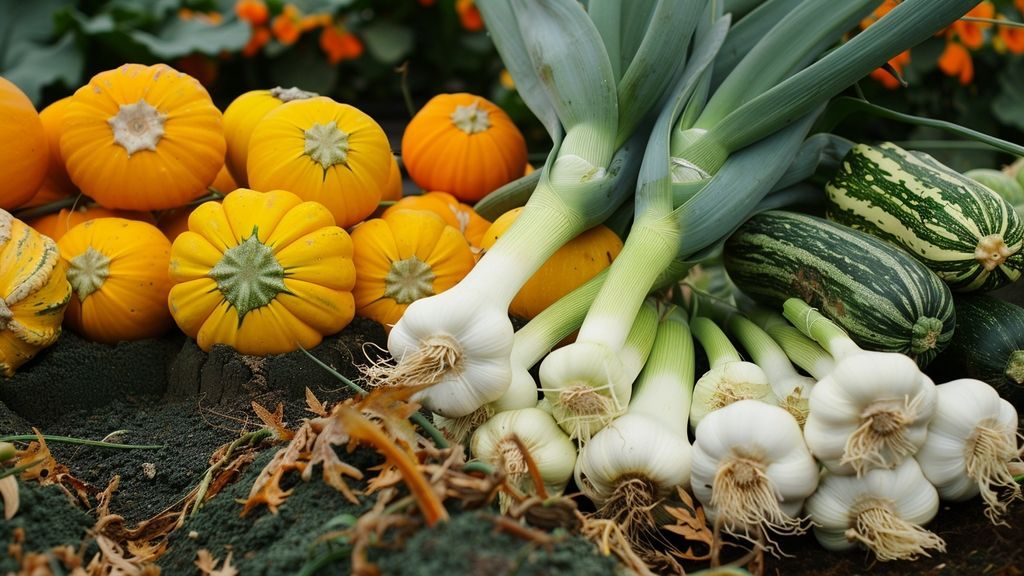
Leeks’ vertical growth and shallow roots make them ideal for interplanting with squash. Their sulfur compounds confuse pests like carrot flies and aphids, reducing damage to squash leaves and fruits. This pairing also improves soil health by preventing nutrient depletion.
Basil: The flavor enhancer and pest deterrent
Basil’s aromatic oils repel tomato hornworms, whiteflies, and spider mites while improving tomato flavor. Planting basil near tomatoes creates a mutually beneficial relationship, with basil attracting pollinators and tomatoes providing shade for basil in hot climates.
Marigolds: Nematode suppressors and pest deterrents
Marigolds’ bright flowers release chemicals that repel root-knot nematodes, a common tomato pest, and deter aphids and beetles. Their strong scent also masks tomato odors, making it harder for pests to locate plants.
Garlic: A natural pesticide for both crops
Garlic’s sulfur compounds repel spider mites, aphids, and other pests that target tomatoes and squash. Planting garlic around the perimeter of beds creates a protective barrier, while its shallow roots avoid competing with deeper-rooted crops.
Lettuce: A space-efficient, moisture-retaining ally
Lettuce varieties like “cut and come again” grow rapidly around young squash plants, suppressing weeds and retaining soil moisture. This pairing allows lettuce to mature before squash spreads, optimizing space and reducing evaporation.
Practical tips for integrating these plants into your garden
Planning a companion planting layout
Start by mapping your garden to ensure complementary growth habits. Leeks and garlic should be placed near squash beds to maximize pest protection, while basil and lettuce can be interspersed with tomatoes. Marigolds work best as border plants to deter nematodes and pests.
Soil preparation and maintenance
Test soil pH and adjust as needed:
Lettuce prefers slightly acidic to neutral soil (pH 6.0–7.0).
Tomatoes thrive in well-draining, fertile soil with a pH of 6.0–6.8.
Rotate crops annually to avoid depleting nutrients and prevent pest buildup.
Monitoring and harvesting strategies
Harvest lettuce regularly to prevent overcrowding and allow squash to spread. Trim basil flowers to encourage leaf growth and maximize pest-repelling oils. Check marigold beds for nematode activity and replace plants if infestations occur.
Addressing common challenges and misconceptions
Avoiding harmful plant combinations
While companion planting offers benefits, some pairings harm crops:
Tomatoes and corn attract similar pests like corn earworms.
Carrots and dill stunt carrot growth if planted too closely.
Beans and alliums (garlic, onions) inhibit legume growth.
Balancing aesthetics and functionality
Marigolds and calendula add color while serving as pest deterrents. Nasturtiums (not covered in the five plants but mentioned in sources) deter squash bugs and add vibrancy to beds. Prioritize functionality but incorporate visually appealing plants to enhance garden appeal.
: A sustainable approach to gardening
By strategically pairing tomatoes and squash with leeks, basil, marigolds, garlic, and lettuce, gardeners can reduce reliance on pesticides, optimize space, and improve crop yields. These plants create a resilient ecosystem where each species contributes to the others’ success, demonstrating the power of natural gardening practices.
Allan is a lifelong gardening enthusiast who still gets excited when the first seedlings pop up in spring. With a deep love for nature and a hands-in-the-soil approach, he shares practical tips, plant discoveries, and clever tricks picked up over years of digging, planting, and observing. Whether you’re a new gardener or have a shed full of tools, Allan writes like a neighbor who’s always happy to swap cuttings and stories over the fence.
You can find more about Allan’s work on Malt or connect with him on LinkedIn.