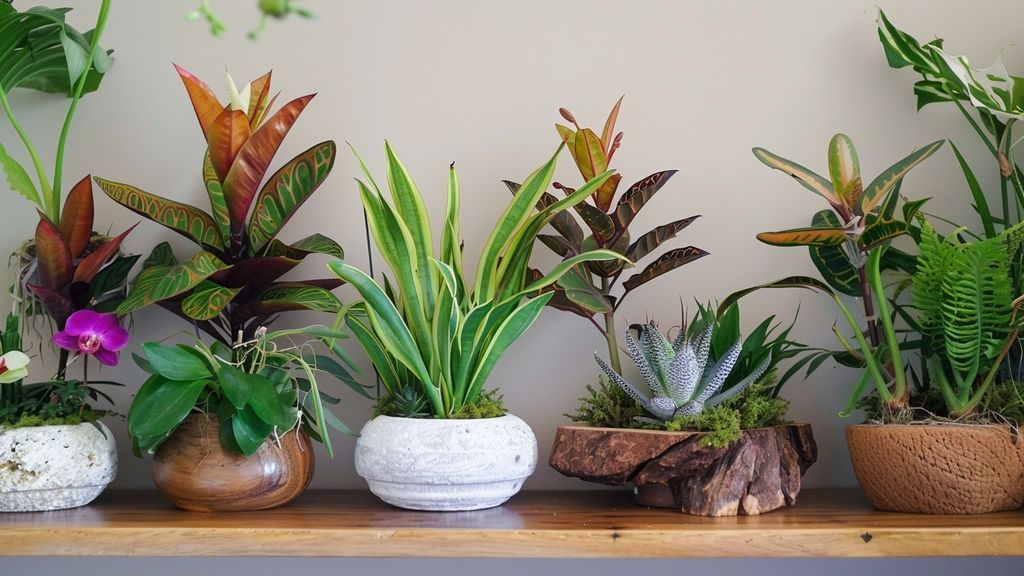
5 Houseplants You Should Never Keep in Your Bedroom—Here’s Why
When it comes to decorating your bedroom with houseplants, it’s essential to choose plants that not only enhance the aesthetic appeal but also promote a healthy and peaceful environment. However, some plants might not be suitable for bedrooms due to various reasons such as allergens, toxicity, or Feng Shui principles. Here’s a guide on which houseplants you should avoid keeping in your bedroom and why.
Selecting the right plants for your bedroom involves considering several factors, including air purification, light requirements, and allergenic potential. While many plants are beneficial for indoor spaces, some can disrupt the tranquility and healthiness of your bedroom.
Plants like Snake Plants, Pothos, and Peace Lilies are often recommended for bedrooms due to their ability to purify the air and thrive in low-light conditions. However, there are other plants that you should avoid due to their potential to cause discomfort or disrupt the energy in your bedroom.
Plants to avoid in your bedroom
Plants with allergens or irritants
Some plants can trigger allergies or irritate respiratory conditions. For instance, English Ivy and Weeping Fig are known to cause issues for people with asthma or latex allergies. These plants, while beneficial for air purification, should be avoided if you or a family member has such sensitivities.
Toxic plants
Plants that are toxic to humans or pets should be kept out of bedrooms to prevent accidental ingestion. Aglaonema and Philodendron are examples of plants that are toxic to animals and should be placed in areas where they cannot be easily accessed by pets.
Prickly plants and Feng Shui considerations
From a Feng Shui perspective, prickly plants like cacti are believed to create conflict and disharmony in a space. These plants are best avoided in bedrooms to maintain a peaceful environment.
Dying or neglected plants
Keeping dying or neglected plants in your bedroom can also be detrimental. Not only do they look unappealing, but they can also block positive energy and create a sense of stagnation.
Specific plants to avoid
Cacti and thorny plants
Cacti and other thorny plants are generally discouraged in bedrooms due to their sharp edges, which are believed to symbolize conflict according to Feng Shui principles. These plants can disrupt the calm atmosphere you want to maintain in your bedroom.
Toxic or poisonous plants
Plants that are toxic or poisonous should be avoided altogether. They not only pose a risk to pets but can also affect human health if ingested. Examples include certain types of succulents and houseplants with toxic sap.
Plants that promote negative energy
In addition to physical health concerns, some plants are believed to promote negative energy. Dying plants, for instance, can create a sense of stagnation and should be removed from your bedroom to maintain a positive environment.
Alternatives for a peaceful bedroom
If you’re looking to create a serene and healthy bedroom environment, consider plants that are known for their calming effects and air-purifying abilities. Lavender, Areca Palm, and Orchids are excellent choices as they promote relaxation and improve air quality.
Choosing the right plants for your bedroom is crucial for maintaining a healthy and peaceful environment. By avoiding plants that can cause allergies, are toxic, or disrupt positive energy, you can ensure a restful and rejuvenating space. Opt for plants that not only purify the air but also contribute to a calming ambiance, making your bedroom a true sanctuary.
Allan is a lifelong gardening enthusiast who still gets excited when the first seedlings pop up in spring. With a deep love for nature and a hands-in-the-soil approach, he shares practical tips, plant discoveries, and clever tricks picked up over years of digging, planting, and observing. Whether you’re a new gardener or have a shed full of tools, Allan writes like a neighbor who’s always happy to swap cuttings and stories over the fence.
You can find more about Allan’s work on Malt or connect with him on LinkedIn.