7 Plants that can turn your chicken run into a lush green paradise
Creating a vibrant, plant-filled environment for your chickens offers multiple benefits: fresh food sources, shade provision, and natural pest control. By selecting the right plants and implementing protective strategies, you can transform a barren run into a thriving ecosystem. Below, we explore seven plant categories and practical methods to achieve this transformation.
Leafy greens provide essential vitamins and minerals for chickens, making them a cornerstone of any poultry-friendly garden. These plants thrive in cooler seasons and can be harvested repeatedly.
Kale and spinach
Kale and spinach are hardy, nutrient-dense options that grow quickly in well-drained soil. Chickens devour their leaves, which are rich in calcium and iron. For optimal growth, sow seeds directly in spring or fall, and water consistently. Harvest by clipping outer leaves to encourage regrowth.
Swiss chard and arugula
Swiss chard offers colorful stems and leaves, while arugula adds a peppery flavor to a chicken’s diet. Both tolerate light frost and can be grown in partial shade. When plants bolt (go to seed), their flowering stalks remain edible for hens.
Vines and climbers for vertical growth
Vertical gardening maximizes space and provides shade. These plants thrive on fences or structures, creating a canopy for chickens.
Morning glories
Morning glories cling to fences and produce vibrant flowers. They grow rapidly, requiring minimal maintenance. Plant seeds directly in the soil, and train vines upward using twine or wire. Avoid invasive varieties to prevent overgrowth.
Passion fruit
Passion fruit vines create dense canopies, offering shade and edible fruit. Protect young plants with horticultural fleece (a thick, durable barrier) to prevent chickens from pecking at tender shoots. Once established, train vines onto walls or trellises.
Herbs for health and pest control
Herbs enhance a chicken’s diet and deter pests like mice. Select non-invasive species to avoid ecological disruption.
Catnip and mint
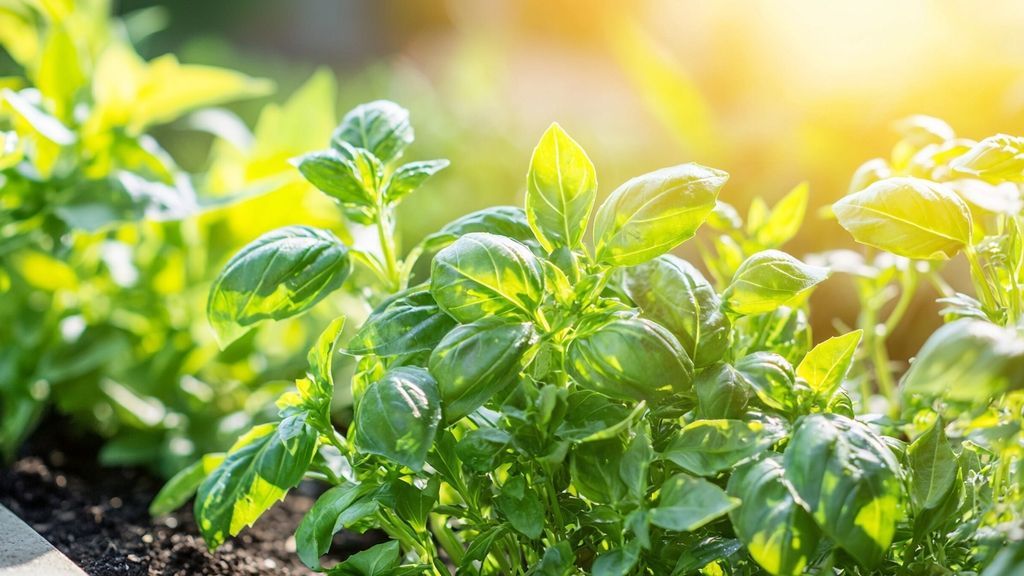
Catnip and mint (when planted outside the run) repel pests. However, mint is highly invasive and should be contained. For safer options, consider basil or parsley, which chickens enjoy and are easier to manage.
Safe herbs to avoid invasives
Prioritize herbs like dill, chamomile, or lemon balm. These provide medicinal benefits without spreading uncontrollably. Plant seeds indoors first, then transfer to the run once established.
Protecting plants with horticultural fleece
Chickens often damage young plants by pecking or scratching. Horticultural fleece acts as a barrier, allowing light and water to reach plants while keeping birds away.
Choosing the right fleece
Opt for thick, dense fleece (purchased online) rather than thin nursery-grade material. Wrap it around plants or structures, securing with stakes. This method protects passion fruit and other climbers during early growth stages.
Root vegetables for sustained growth
Root vegetables provide a steady food source and improve soil health. Their greens are edible, while the roots can be harvested as treats.
Carrots, beets, and radishes
Carrots, beets, and radishes grow well in loose soil. Chickens enjoy their leafy tops, which can be clipped regularly. Plant seeds directly in the run, spacing them appropriately to prevent overcrowding.
Strategic planting tips
Effective plant placement ensures both chicken safety and plant survival.
Using bricks or rocks
Place bricks or rocks around plant bases to deter digging. This method protects roots while allowing stems to grow upward. For climbers, position plants near fences or walls to encourage vertical growth.
Training vines on structures
Install metal structures or trellises to guide vines like passion fruit or morning glories. Wrap young plants in fleece initially, then remove once they reach the structure. This minimizes damage and maximizes canopy coverage.
Transforming a chicken run into a lush paradise requires careful plant selection and protective measures. By integrating leafy greens, vines, herbs, and root vegetables, you create a sustainable ecosystem that benefits both birds and plants. Prioritize non-invasive species, use barriers like horticultural fleece, and leverage vertical space to maximize productivity. With these strategies, your run will become a thriving, self-sufficient environment.
Allan is a lifelong gardening enthusiast who still gets excited when the first seedlings pop up in spring. With a deep love for nature and a hands-in-the-soil approach, he shares practical tips, plant discoveries, and clever tricks picked up over years of digging, planting, and observing. Whether you’re a new gardener or have a shed full of tools, Allan writes like a neighbor who’s always happy to swap cuttings and stories over the fence.
You can find more about Allan’s work on Malt or connect with him on LinkedIn.