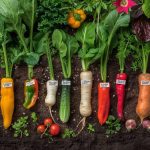
The must-plant vegetable for an easy harvest this season
Gardening has become a cornerstone of modern sustainability, with millions turning to homegrown produce for fresh, chemical-free food. Fast-growing vegetables offer a practical solution for urban dwellers, beginners, and those seeking quick results. These crops thrive in limited spaces, require minimal maintenance, and deliver harvests in weeks rather than months. For example, leafy greens like spinach and arugula can be ready in as little as 14 days, making them ideal for impatient growers.
Fast-growing vegetables align with today’s fast-paced lifestyles. Unlike traditional crops that demand months of care, these varieties allow gardeners to plant, nurture, and harvest within a single growing season. Spinach, for instance, matures in 3–4 weeks, while radishes can be harvested in 20–30 days. This rapid turnaround enables continuous planting cycles, ensuring a steady supply of fresh produce.
Space-saving solutions
Small gardens, balconies, and rooftops can support these crops. Leafy greens and herbs grow well in containers, while root vegetables like carrots thrive in shallow beds. The one-bed method popularized by gardening experts demonstrates how a 4×4-foot raised bed can host 10+ crops simultaneously, including lettuce, spinach, and strawberries. This approach maximizes vertical and horizontal space, proving that even tiny plots can yield abundant harvests.
Nutritional benefits
Fast-growing vegetables are nutrient-dense, providing essential vitamins and minerals. Leafy greens like kale and arugula are rich in iron and antioxidants, while herbs such as parsley and dill add fresh flavor to meals. These crops also promote food security, enabling households to access healthy produce without relying on industrial agriculture.
Top vegetables for quick harvests
Choosing the right crops is critical for a successful harvest. Below are the most recommended fast-growing vegetables, categorized by type and growth cycle.
Leafy greens: spinach, arugula, kale
Spinach leads the pack with a 3–4-week maturity period. It prefers moist, well-drained soil and partial shade, making it ideal for spring and fall gardens. Arugula follows closely, ready in 20–30 days, with a peppery flavor that enhances salads. Kale offers two harvest windows: baby leaves in 25 days and full-sized leaves in 50–60 days. These greens tolerate frost, extending their growing season.
Root vegetables: radishes, carrots, beetroot
Radishes are the fastest, maturing in 20–30 days. They require minimal space and can be intercropped with slower-growing crops like carrots. Carrots take longer (50–60 days) but can be harvested as baby roots for salads. Beetroot adds color and nutrition, ready in 50–60 days.
Brassicas: broccoli, cabbage, cauliflower
While slower than leafy greens, broccoli and cabbage can be harvested in 50–60 days. These crops thrive in cooler temperatures, making them suitable for early spring or late summer planting.
Legumes: peas, broad beans
Peas and broad beans are legumes that grow quickly, with peas ready in 50–60 days. They benefit from vertical supports and well-draining soil.
Herbs: parsley, dill, coriander
Parsley and dill add fresh flavor to dishes and can be harvested continuously. Coriander (cilantro) matures in 20–30 days, making it a staple for Mexican and Asian cuisine.
Growing tips for optimal results
Mastering the basics ensures a bountiful harvest. Below are actionable strategies for cultivating fast-growing vegetables.
Soil preparation and sowing techniques
Raised beds improve drainage and accessibility, reducing back strain. For leafy greens, use a mix of compost and well-draining soil. Sow seeds directly into the bed, spacing them appropriately. For example, spinach seeds should be 1–2 inches apart, while radishes need 2–3 inches.
Succession planting for continuous harvest
Succession planting involves sowing seeds every 1–2 weeks to maintain a steady supply. Lettuce and spinach benefit from this method, as harvesting individual leaves encourages regrowth. For root vegetables like carrots, stagger plantings by 2–3 weeks to avoid overcrowding.
Protecting from frost and pests
Frost protection is crucial for early spring plantings. Use row covers or cold frames to shield tender shoots. Pests like slugs and aphids can be deterred with beer traps or neem oil. For example, raised beds naturally reduce slug access to strawberries.
Harvesting strategies for maximum yield
Harvest baby leaves from greens to prolong their productivity. For root vegetables, thin seedlings early to allow remaining plants to develop fully. Pick okra pods daily to encourage continuous flowering and prevent toughness.
Maximizing space and yield
Even small gardens can achieve high yields with smart planning. Below are techniques to optimize space and productivity.
Vertical gardening and container solutions
Vertical gardens use trellises or wall-mounted planters to grow peas, beans, and cucumbers. Containers work well for herbs and leafy greens, provided they have drainage holes. A 12-inch pot can host a mix of spinach, lettuce, and radishes.
Intercropping for efficient use
Intercropping involves planting fast-growing crops alongside slower ones. For example, radishes can be sown between carrot rows, as they mature before carrots need more space. This method reduces soil competition and maximizes yield.
Raised beds for accessibility and drainage
Raised beds are ideal for urban gardens. They warm faster in spring, extending the growing season, and improve soil structure. A 4×4-foot bed can host 10+ crops, including lettuce, spinach, and strawberries.
Strawberries as a space-saving crop
Strawberries thrive in hanging baskets or along bed edges, where they cascade. They’re frost-hardy and produce fruit in 60–90 days, adding sweetness to salads and desserts.
Seasonal considerations and expert advice
Timing and regional conditions significantly impact success. Below are insights for planting in different seasons and climates.
Spring planting: optimal timing
March is prime for sowing spinach, lettuce, and peas in temperate zones. Soil warms gradually, and daylight hours increase, promoting healthy growth. Frost protection remains essential for early plantings, as sudden cold snaps can damage tender shoots.
Fall gardening: extending the season
Kale and arugula excel in cooler weather, tolerating light frosts. Sow seeds 8–10 weeks before the first frost to allow maturation. Cold frames or row covers extend the harvest window into late autumn.
Winter crops: cold-hardy varieties
In mild climates, spinach and kale can be grown year-round. Use greenhouses or poly tunnels to protect crops from extreme cold. Winter radishes and beetroot also thrive in cooler temperatures.
Regional variations in planting schedules
Warm climates favor okra and herbs like dill, which thrive in heat. Cooler regions prioritize brassicas and root vegetables. Check local frost dates to align planting with your area’s growing season.
Expert recommendations and community support
Gardening experts and online communities offer valuable guidance for beginners. Below are key insights and resources.
Gardening experts weigh in
Annette Thurmon, author of Simple Country Living, emphasizes succession planting for leafy greens and soil preparation for root vegetables. Ashlie Thomas, a food security advocate, highlights okra’s productivity in warm climates, noting its ability to yield pods for months.
Common mistakes to avoid
Overwatering carrots can lead to rot, while underwatering spinach slows growth. Neglecting thinning overcrowds seedlings, reducing yields. Ignoring frost warnings risks losing early plantings.
Tools and resources for beginners
Seed trays and multi-purpose compost simplify indoor starts. Gardening apps like Garden Plan Pro help track planting schedules. YouTube channels like TEO Garden provide visual guides for soil mixing and harvesting.
Community support and knowledge sharing
Local gardening groups and online forums foster collaboration. Members share tips on pest control, seed swaps, and troubleshooting. GrowVeg and Almanac offer detailed guides for specific crops.
Fast-growing vegetables empower gardeners to enjoy fresh produce with minimal effort. By selecting the right crops, optimizing space, and following expert advice, even beginners can achieve bountiful harvests. Whether you’re growing spinach in a balcony pot or kale in a raised bed, these vegetables prove that gardening is accessible to all. Start planting today and reap the rewards of homegrown nutrition.
Allan is a lifelong gardening enthusiast who still gets excited when the first seedlings pop up in spring. With a deep love for nature and a hands-in-the-soil approach, he shares practical tips, plant discoveries, and clever tricks picked up over years of digging, planting, and observing. Whether you’re a new gardener or have a shed full of tools, Allan writes like a neighbor who’s always happy to swap cuttings and stories over the fence.
You can find more about Allan’s work on Malt or connect with him on LinkedIn.