How To Harvest Spinach So It Keeps Producing All Month Long
Spinach is one of the most productive leafy greens for home gardeners, but its yield often peaks quickly if not managed properly. By adopting strategic harvesting techniques and planting schedules, growers can enjoy continuous spinach production throughout the growing season. This guide explores proven methods to maximize spinach yields while maintaining plant health.
Harvesting techniques for continuous spinach production
Selective leaf picking to encourage regrowth
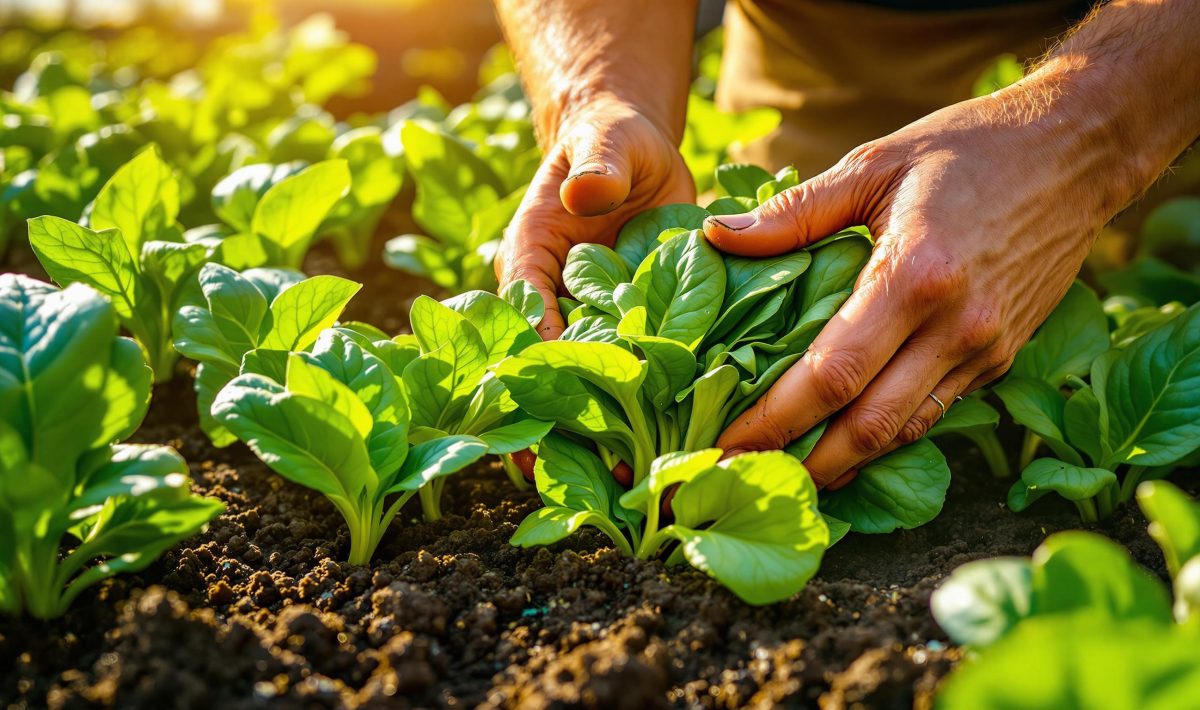
The key to sustained spinach production lies in harvesting individual leaves rather than entire plants. By removing only the largest outer leaves, you allow inner leaves to continue growing undisturbed. This method preserves the plant’s energy reserves, enabling it to produce new foliage.
Best practices:
Harvest leaves when they reach 4–6 inches in length, depending on variety.
Use scissors or pinch off leaves at the base to avoid damaging stems.
Leave at least 2–3 smaller leaves at the plant’s center to maintain photosynthesis.
For water spinach (kangkong), stem clipping is more effective. Trim stems 4 inches above the leaf nodes to stimulate bushy growth and prevent legginess.
[smartquiz]
Succession planting strategies for extended harvests
Staggered planting intervals
Planting spinach in 1–3 week intervals ensures a continuous supply of harvestable leaves. This method works particularly well for fast-growing varieties like Tyee or Space.
Implementation steps:
Map planting dates: Record each planting session and track maturity timelines.
Prioritize heat-tolerant varieties: Choose spinach types that mature in 40–60 days and withstand warmer temperatures.
Combine with complementary crops: Plant beans or peas 3 weeks after spinach to create overlapping harvest windows.
Seasonal planting adjustments
Spinach thrives in cooler temperatures, making it ideal for spring and fall plantings. For summer cultivation:
Shade management: Position spinach under taller crops (e.g., corn) to protect from intense sunlight.
Cold-hardy varieties: Opt for spinach types that tolerate light frosts (e.g., Tyee or Winter Giant) for late-season production.
Crop selection for optimal results
Choosing the right spinach variety
Heat-tolerant varieties like Tyee or Olympia II are best for summer planting, while cold-hardy types like Winter Giant excel in fall. For continuous production, plant a mix of:
Fast-maturing varieties (30–40 days): Harvest within weeks, replant immediately.
Slow-bolting varieties (50–60 days): Provide steady yields over longer periods.
Companion planting for pest resistance
Pair spinach with companion crops that deter pests and improve growth:
Garlic: Repels aphids and spider mites.
Radishes: Break up compacted soil and deter cucumber beetles.
Marigolds: Attract beneficial insects that prey on pests.
Maintenance practices for sustained yields
Fertilization and watering
Spinach requires consistent nutrient replenishment to maintain production. Use:
Organic liquid fertilizers: Dilute fish emulsion or compost tea every 2 weeks.
Balanced watering: Maintain moist soil without waterlogging. Mulch around plants to retain moisture.
Pest and disease management
Common spinach pests include aphids, caterpillars, and spider mites. Preventative measures:
Neem oil sprays: Apply every 7–10 days to deter pests.
Crop rotation: Avoid planting spinach in the same bed consecutively to break disease cycles.
Row covers: Use lightweight covers to protect young plants from flea beetles.
Specialized techniques for water spinach
Harvesting water spinach effectively
Water spinach (kangkong) grows rapidly in aquatic environments. For continuous production:
Trim stems weekly: Cut 4–6 inches above the leaf nodes to encourage branching.
Maintain water quality: Ensure clean water circulation to prevent root rot.
Control humidity: Provide partial shade in hot climates to reduce transpiration stress.
Culinary applications to maximize value
Water spinach’s nutrient-dense leaves make it versatile in:
Stir-fries: Sauté with garlic and soy sauce.
Soups: Add fresh leaves to broths for a burst of flavor.
Salads: Use young leaves raw or blanched.
Achieving continuous spinach production requires a combination of strategic harvesting, timed plantings, and targeted maintenance. By implementing these methods, gardeners can enjoy fresh spinach throughout the growing season while minimizing waste and labor. Whether growing traditional spinach or water spinach, the principles of selective harvesting and succession planting form the foundation for sustained yields.
Allan is a lifelong gardening enthusiast who still gets excited when the first seedlings pop up in spring. With a deep love for nature and a hands-in-the-soil approach, he shares practical tips, plant discoveries, and clever tricks picked up over years of digging, planting, and observing. Whether you’re a new gardener or have a shed full of tools, Allan writes like a neighbor who’s always happy to swap cuttings and stories over the fence.
You can find more about Allan’s work on Malt or connect with him on LinkedIn.
16 Replies to “How To Harvest Spinach So It Keeps Producing All Month Long”
I used to clip individual leaves from the outside, but once i switched to cutting up to a third at a time regularly, my plants seemed way happier and kept going. happy harvesting!
This was super helpful! i’ve been picking my spinach wrong and wondering why it stopped growing. can’t wait to try these tips and enjoy fresh greens all month long! 🥬
Any tips on how often i should water the spinach to keep it producing after i’ve harvested some leaves?
Super helpful!
This sounds great! what are some ideal companion plants for spinach to improve its growth and yield?
Do these methods work with all spinach varieties, or are some better suited for continuous harvesting?
I remember when my spinach just wouldn’t stop producing after i harvested it by picking only the big leaves. got fresh salads for weeks and never had to buy from the store.
🥳 Great tips
🥬 Stay forever healthy
Does spinach need any special care or fertilization during the growing season to keep producing well, besides proper harvesting techniques?
This is so handy! i’m excited to try this method with my spinach patch. fresh greens all month long? yes, please! thanks for the awesome tips! 🌿🥗
Interesting read. i’ve always wondered how to keep spinach growing. might give these tips a try, but i’m not sure about the frequency it’ll need – sounds like a bit of work!
Do you have any tips for preventing pests from affecting spinach harvests? they seem to love my garden!
So helpful! thanks
Any tips on dealing with pests while harvesting spinach?






I used to clip individual leaves from the outside, but once i switched to cutting up to a third at a time regularly, my plants seemed way happier and kept going. happy harvesting!
This was super helpful! i’ve been picking my spinach wrong and wondering why it stopped growing. can’t wait to try these tips and enjoy fresh greens all month long! 🥬
Any tips on how often i should water the spinach to keep it producing after i’ve harvested some leaves?
Super helpful!
This sounds great! what are some ideal companion plants for spinach to improve its growth and yield?
Do these methods work with all spinach varieties, or are some better suited for continuous harvesting?
I remember when my spinach just wouldn’t stop producing after i harvested it by picking only the big leaves. got fresh salads for weeks and never had to buy from the store.
🥳 Great tips
🥬 Stay forever healthy
Does spinach need any special care or fertilization during the growing season to keep producing well, besides proper harvesting techniques?
This is so handy! i’m excited to try this method with my spinach patch. fresh greens all month long? yes, please! thanks for the awesome tips! 🌿🥗
Interesting read. i’ve always wondered how to keep spinach growing. might give these tips a try, but i’m not sure about the frequency it’ll need – sounds like a bit of work!
Do you have any tips for preventing pests from affecting spinach harvests? they seem to love my garden!
So helpful! thanks
Any tips on dealing with pests while harvesting spinach?
Cool, thanks for sharing!