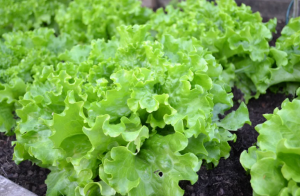
How To Harvest Lettuce So It Keeps Growing Back All Summer
Lettuce plants thrive in cooler temperatures and require careful management to encourage regrowth after harvesting. Their growth cycles depend on variety, with looseleaf types producing leaves continuously and head-forming varieties developing a central core. Proper harvesting techniques leverage these natural growth patterns to maximize yields.
Germination: Seeds sprout within 7–10 days in moist soil.
Leaf production: New leaves emerge from the central crown.
Maturation: Heads form in romaine and butterhead varieties.
Bolting: Plants flower and seed when stressed, reducing edible quality.
Factors affecting regrowth
Harvest timing: Early morning picks preserve crispness and prevent wilting.
Temperature: Ideal growth occurs between 40°F–70°F (4°C–21°C).
Water availability: Consistent moisture promotes leaf development.
Harvesting techniques for continuous growth
The cut-and-come-again method enables multiple harvests per plant by targeting outer leaves while preserving the central crown. This approach works best for looseleaf varieties but can be adapted for head-forming types with strategic harvesting.
Use sharp tools: Snip leaves 1 inch above the crown with scissors or a knife.
Maintain plant integrity: Avoid cutting into the central stem to protect regrowth nodes.
Repeat cycles: Harvest every 7–10 days as new leaves develop.
Pro tip: For salad mixes, cut entire rows 1 inch above soil level and allow regrowth.
Head lettuce: full-head harvesting
While head-forming varieties typically produce one harvest, strategic methods can extend yields:
Partial harvesting: Remove outer leaves periodically to delay bolting.
Core preservation: After harvesting the head, leave roots intact to decompose naturally.
Succession planting: Sow new seeds every 2 weeks to maintain a continuous supply.
Maximizing yield through proper planting
Optimal spacing and succession planting create a balanced ecosystem for lettuce growth. Dense planting encourages leaf production while minimizing space usage.
Head-forming types: Space 8–12 inches apart to accommodate maturation.
Vertical gardens: Use trellises or raised beds to maximize small spaces.
Succession planting strategies
Staggered sowings: Plant new seeds every 1–2 weeks.
Crop rotation: Alternate lettuce with chives or garlic to deter pests.
Seasonal adjustments: Shift planting locations as temperatures change to avoid bolting.
Post-harvest care and storage
Proper handling preserves lettuce quality and extends shelf life. Immediate cleaning and controlled storage prevent spoilage.
Immediate handling steps
Rinse thoroughly: Use cool water to remove dirt and pests.
Dry completely: Spin leaves in a salad spinner to eliminate moisture.
Trim excess: Remove damaged or wilted leaves to prevent decay.
Long-term storage methods
Method
Duration
Best For
Breathable bags
5–7 days
Looseleaf varieties
Airtight containers
10–14 days
Full heads
Vacuum-sealed
2–3 weeks
Bulk harvests
Storage tip: Keep lettuce refrigerated at 32°F–40°F (0°C–4°C) to maintain crispness.
Common challenges and solutions
Even with optimal techniques, issues like bolting or pest infestations can arise. Proactive management prevents these problems.
Preventing bolting and bitterness
Monitor temperature: Avoid planting in late spring/early summer when heat triggers bolting.
Harvest promptly: Pick leaves before they become tough or bitter.
Use bolt-resistant varieties: Opt for slow-growing types like ‘Buttercrunch’ or ‘Red Leaf’.
Managing pests and diseases
Physical barriers: Apply row covers to block aphids and slugs.
Companion planting: Interplant with chives, garlic, or radishes to repel pests.
Crop rotation: Avoid planting lettuce in the same bed consecutively to break disease cycles.
Tools and equipment essentials
The right tools streamline harvesting and storage while minimizing plant damage.
Harvesting tools
Sharp scissors: Ideal for precision cutting.
Garden shears: Efficient for larger harvests.
Knife: Best for cutting full heads at the base.
Storage solutions
Salad spinners: Remove moisture effectively.
Mason jars: Store loose leaves in airtight containers.
Breathable bags: Maintain humidity for crisp storage.
By implementing cut-and-come-again harvesting, strategic planting, and proper post-harvest care, gardeners can enjoy fresh lettuce throughout the growing season. These methods not only maximize space efficiency but also reduce waste and improve flavor consistency. For visual guidance, refer to techniques demonstrated in small-space gardening tutorials.
Allan is a lifelong gardening enthusiast who still gets excited when the first seedlings pop up in spring. With a deep love for nature and a hands-in-the-soil approach, he shares practical tips, plant discoveries, and clever tricks picked up over years of digging, planting, and observing. Whether you’re a new gardener or have a shed full of tools, Allan writes like a neighbor who’s always happy to swap cuttings and stories over the fence.
You can find more about Allan’s work on Malt or connect with him on LinkedIn.